

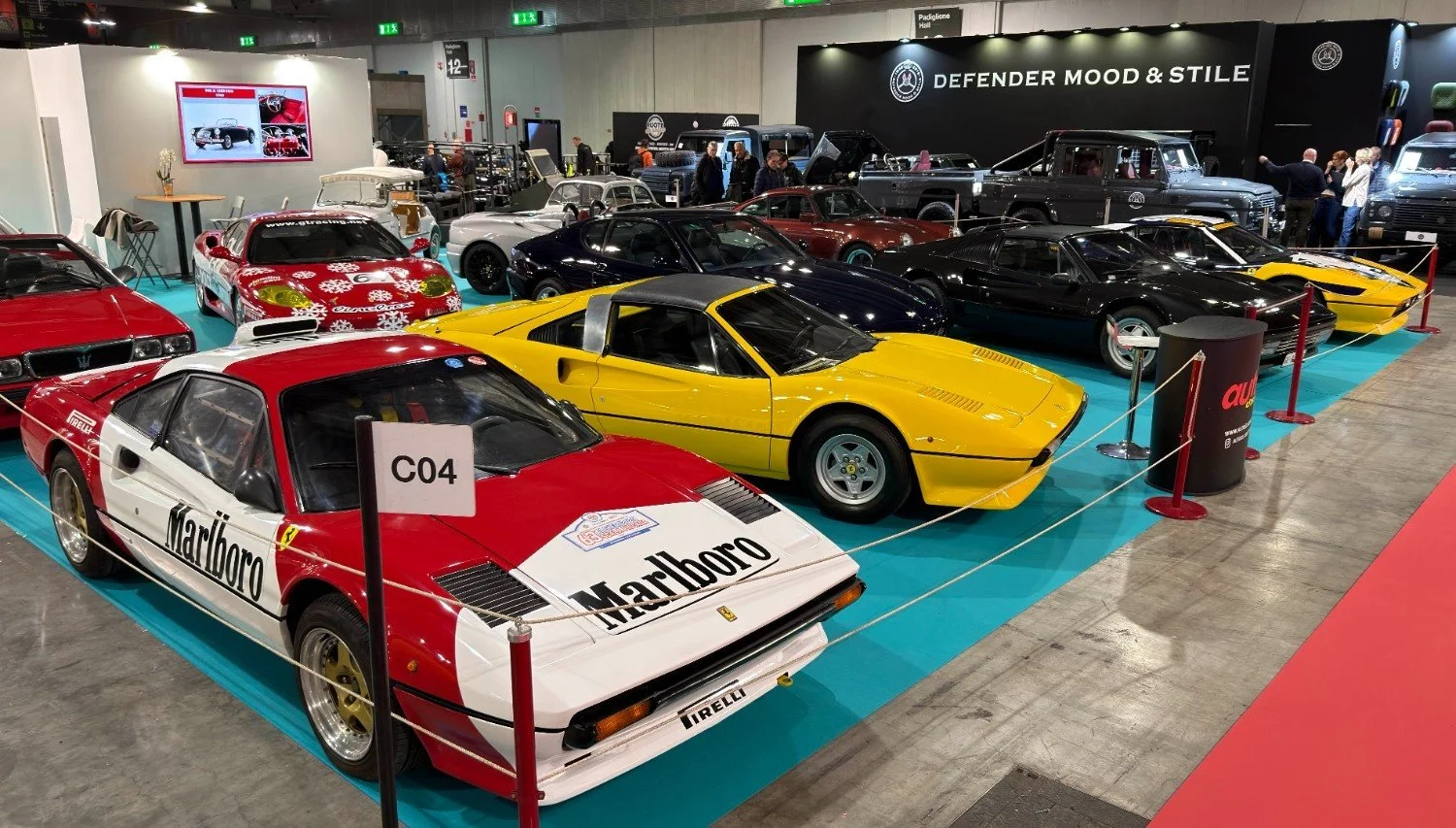
What would you consider the best time to spend a few days in Milan? Sometime in the canicular days when the temperatures reach their yearly peak? Or it could be that early spring is a more pleasant time for you to enjoy the city? While these options are more than reasonable, I am sure the idea of going there at the end of November didn’t cross your mind. But perhaps it should have, and if you missed your chance this past November to visit the Milano AutoClassica event, we can easily convince you it will be worth it next year.
Just as an Arctic cold blast spreads across most of Europe, Fiera Milano exhibition center is hosting this year’s edition of one of the smaller yet still impressive Italian car shows. We’ve been given the opportunity to enjoy the outstanding display from numerous car dealers, manufacturers, museums and car clubs, and in this article we will give an overview of the most impressive bits of the show, and tell you about some of the not so hidden gems, of which there were plenty.
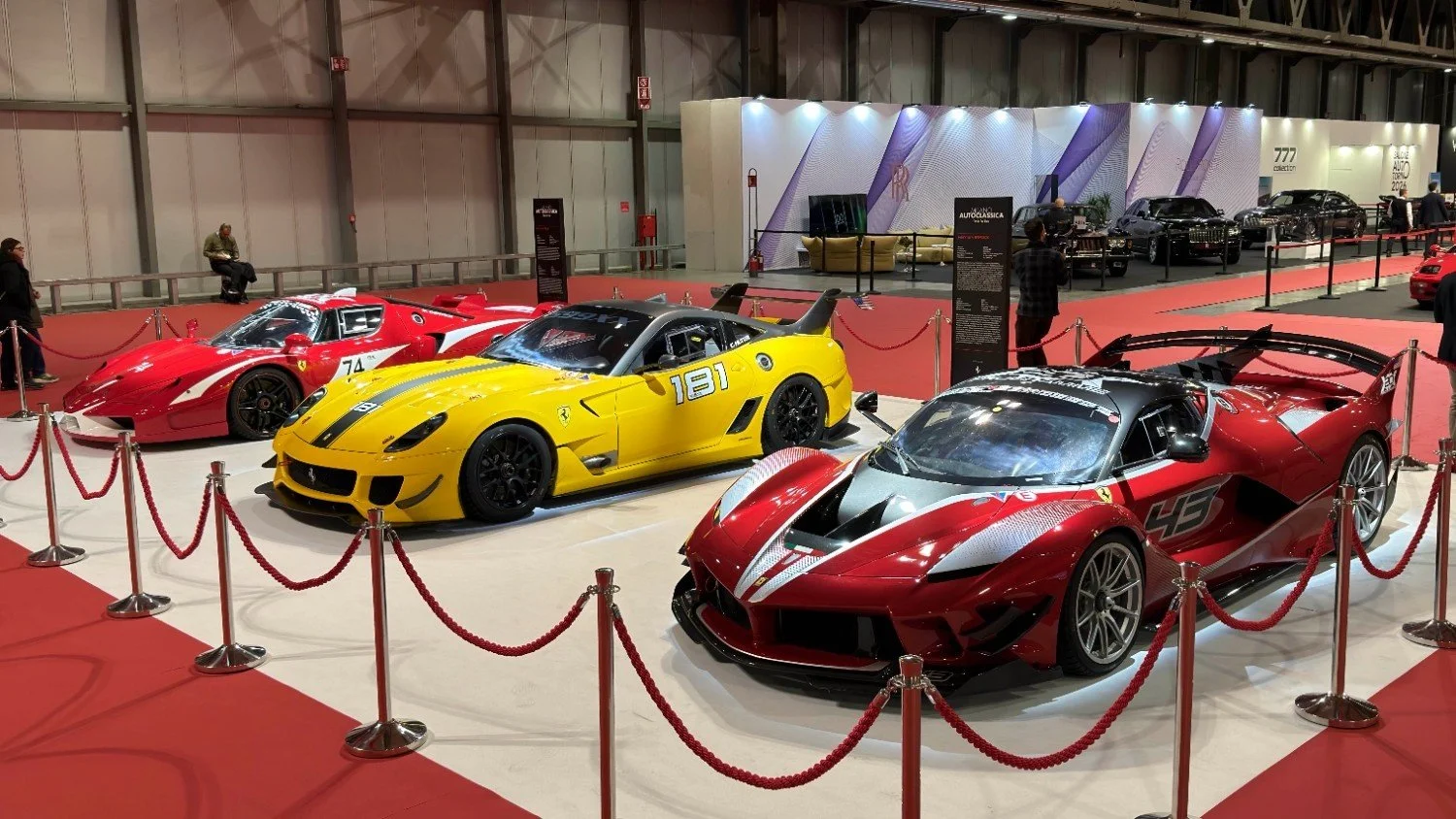
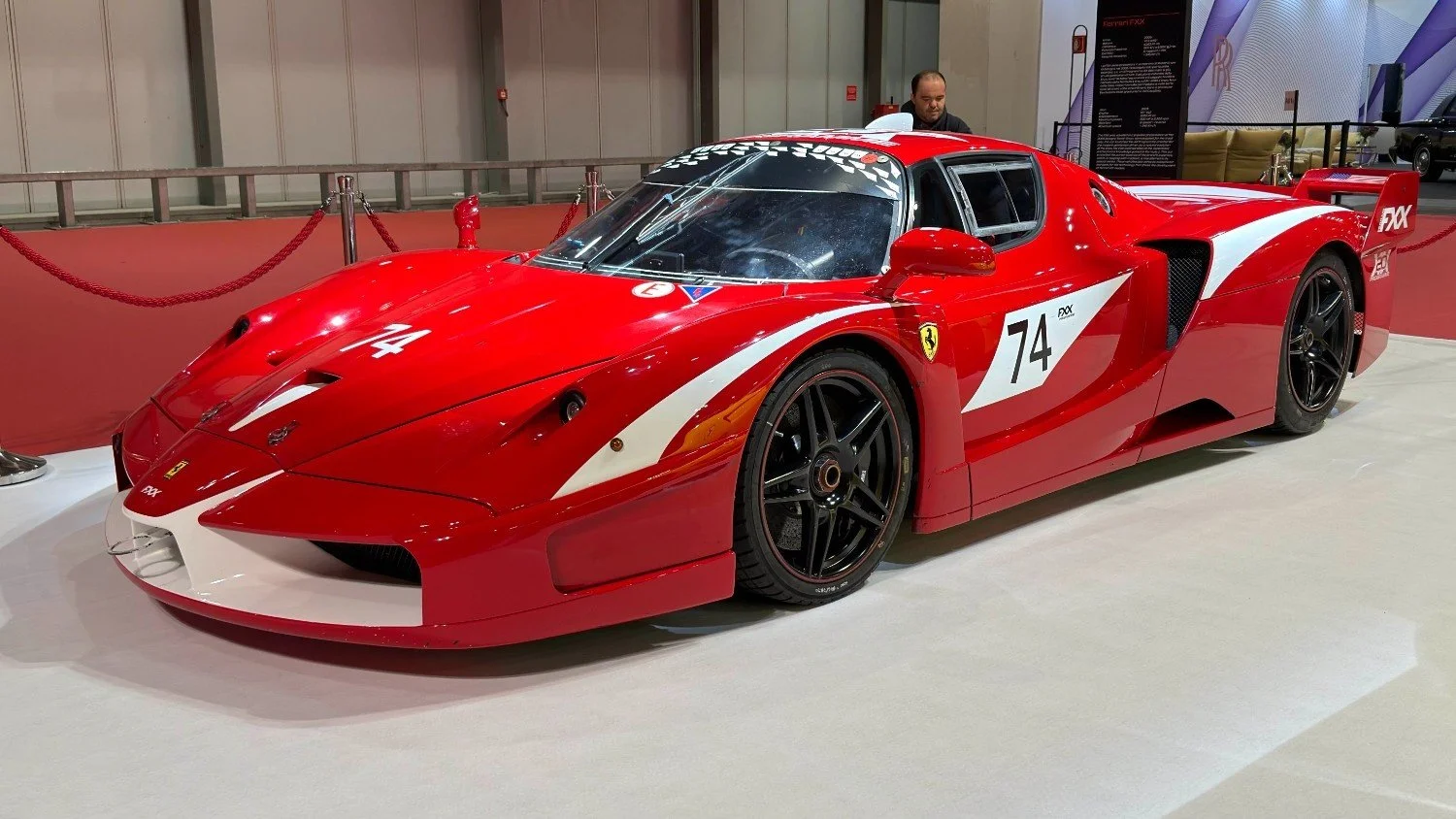
The first thing you see after entering the pavilion is perhaps the most imposing exhibitor of the show. Musei Ferrari in collaboration with some of the Corse Clienti members have prepared 4 track-only cars, 3 of which come from the XX Programme. To everyone’s delight the car that pioneered it all was also present, that being the Ferrari FXX. Most FXX cars, including this one specifically, were upgraded to Evoluzione specification. While obviously being based on the Enzo, the FXX received numerous, and massive, upgrades to its performance, including significant weight reduction, increased engine displacement, revised bodywork and many others, filling the niche between road car and a homologated GT racecar based on Enzo (albeit one that raced under a different badge). FXX was announced and started production in 2005. Later, in 2007, Ferrari announced the Evoluzione upgrade kit with improved aero, a re-mapped engine, an upgraded gearbox and new stripe pattern. The car was originally sold for €1.5 million before tax, with the Evoluzione kit priced at around €250.000.
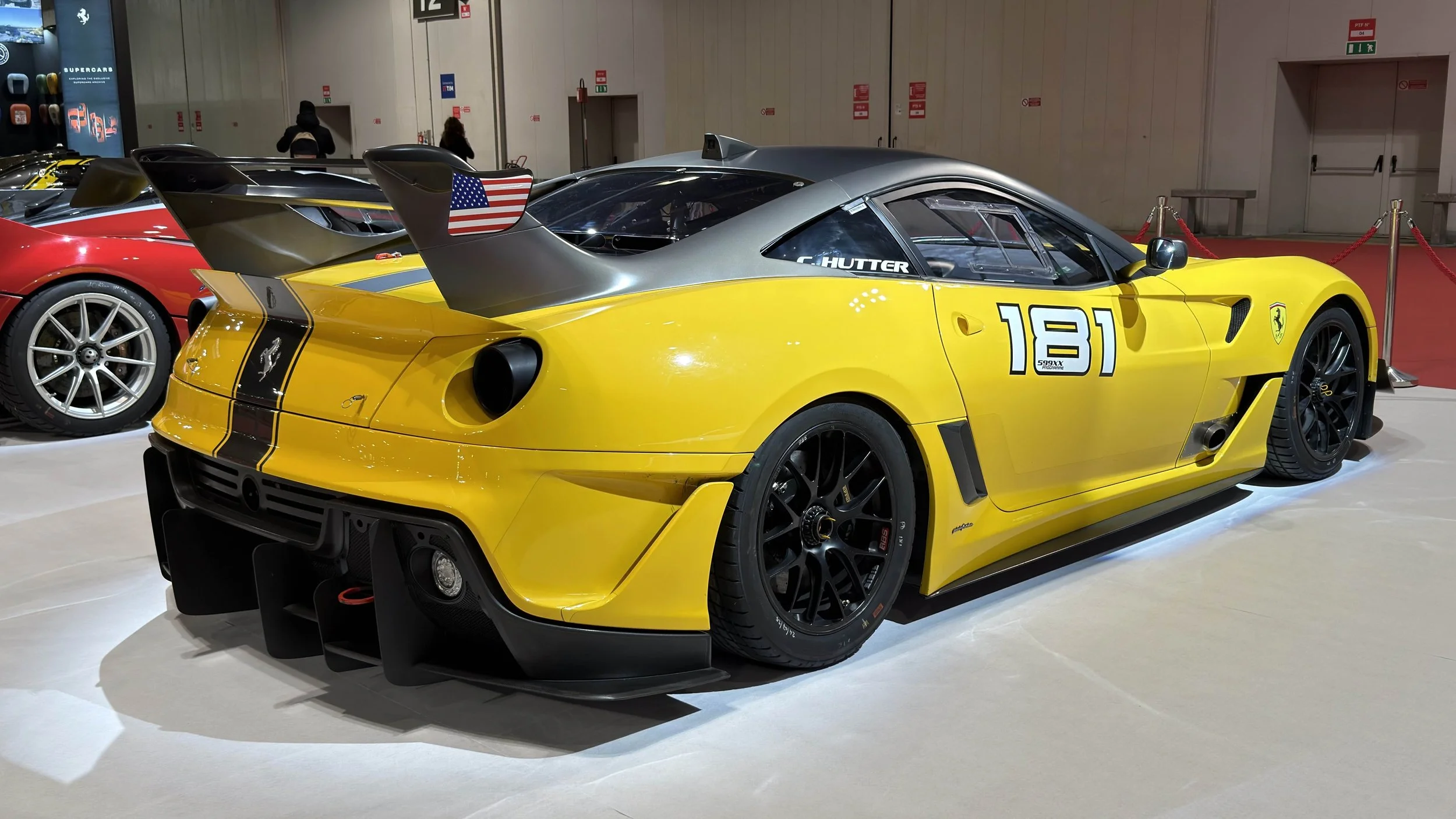
Moving on chronologically, the next car was the Ferrari 599XX, which also featured an Evoluzione upgrade package, something that is available for XX Programme cars aside from the most recent one - the SF90 XX. As you may notice, this one is based on the 599 GTB Fiorano, a grand tourer with the ever-present F140 V12. The 599XX has undergone a treatment similar to FXX, with an increased power output of 100 horsepower over the road car, weight reduction and more efficient aero parts, such as the normally noticeable winglets on the c-pillars. This specific one, however, does not have them as they are not included in the Evoluzione upgrade package, which this car received in 2011. The winglets were removed in favor of a much larger rear wing with active elements, a new front splitter and rear diffuser. Another notable change is the side exhaust, which allowed for an increase in power by another 20 HP. The gearbox was also readjusted. The price on launch was set at around a mere €1.1 million, which could be upgraded for an additional €200.000 when the Evoluzione package became available.
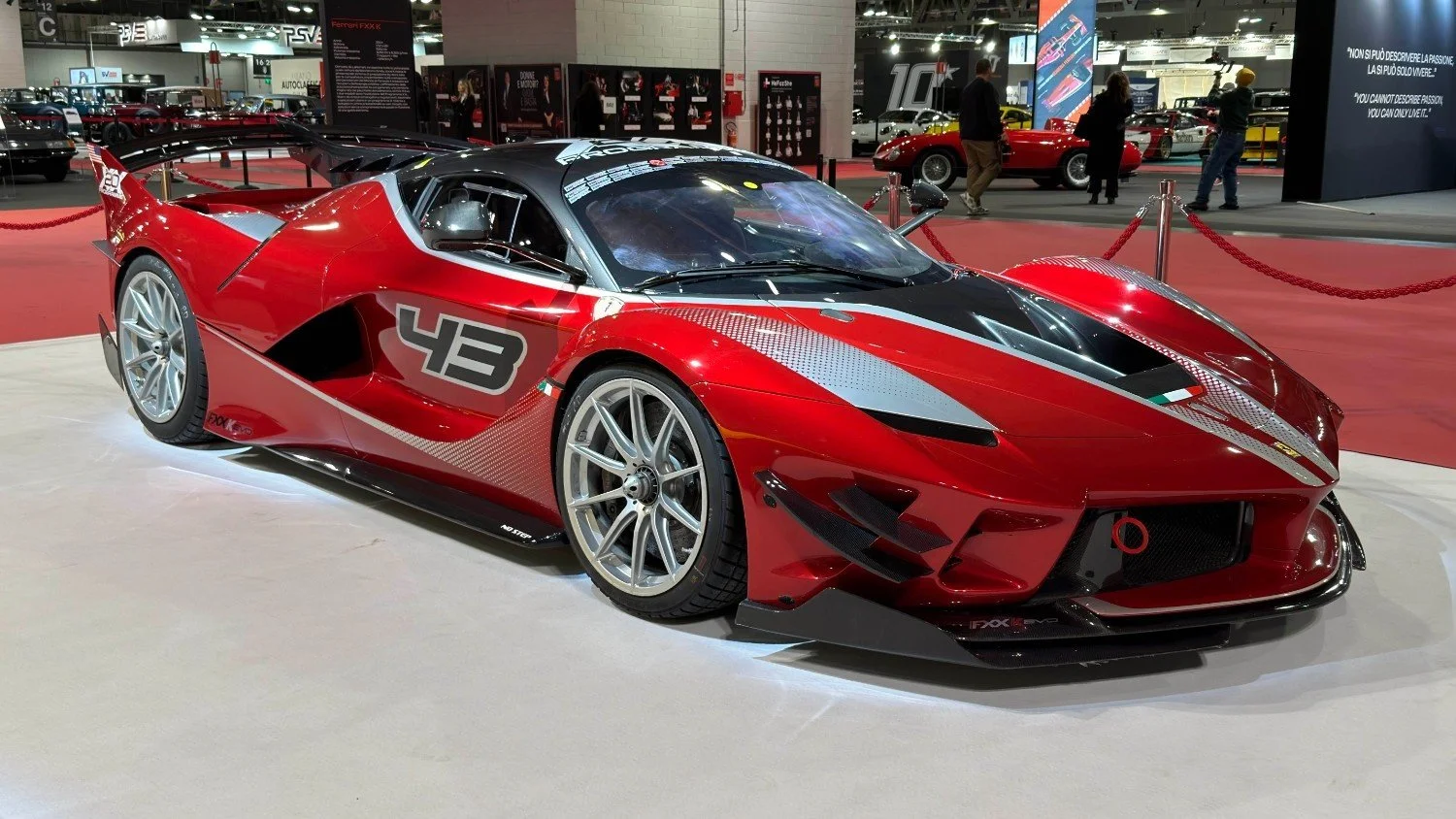
The third horse in this stable is the LaFerrari-based FXX-K, with, perhaps to no one’s surprise, yet another Evoluzione upgrade kit. The standard FXX-K is powered by a hybrid system consisting of a 6.3-liter V12 and an electric motor providing around 1,035 horsepower, which is an additional 100 on top of what the base road car lets you play with. That, combined with several upgrades like the KERS system and it weighing 90 kilograms less, put FXX-K ahead of LaFerrari by 5.9 seconds on the Fiorano Circuit with an official time of 1 minute and 14 seconds. And with yet another upgrade that provides easily noticeable improved aerodynamic elements and undertray vortex generators, the Evoluzione gains 23% more downforce than the standard version. Other improvements include readjusted suspension to settings more fitting of the new aerodynamic properties and redesigned brake cooling intakes.
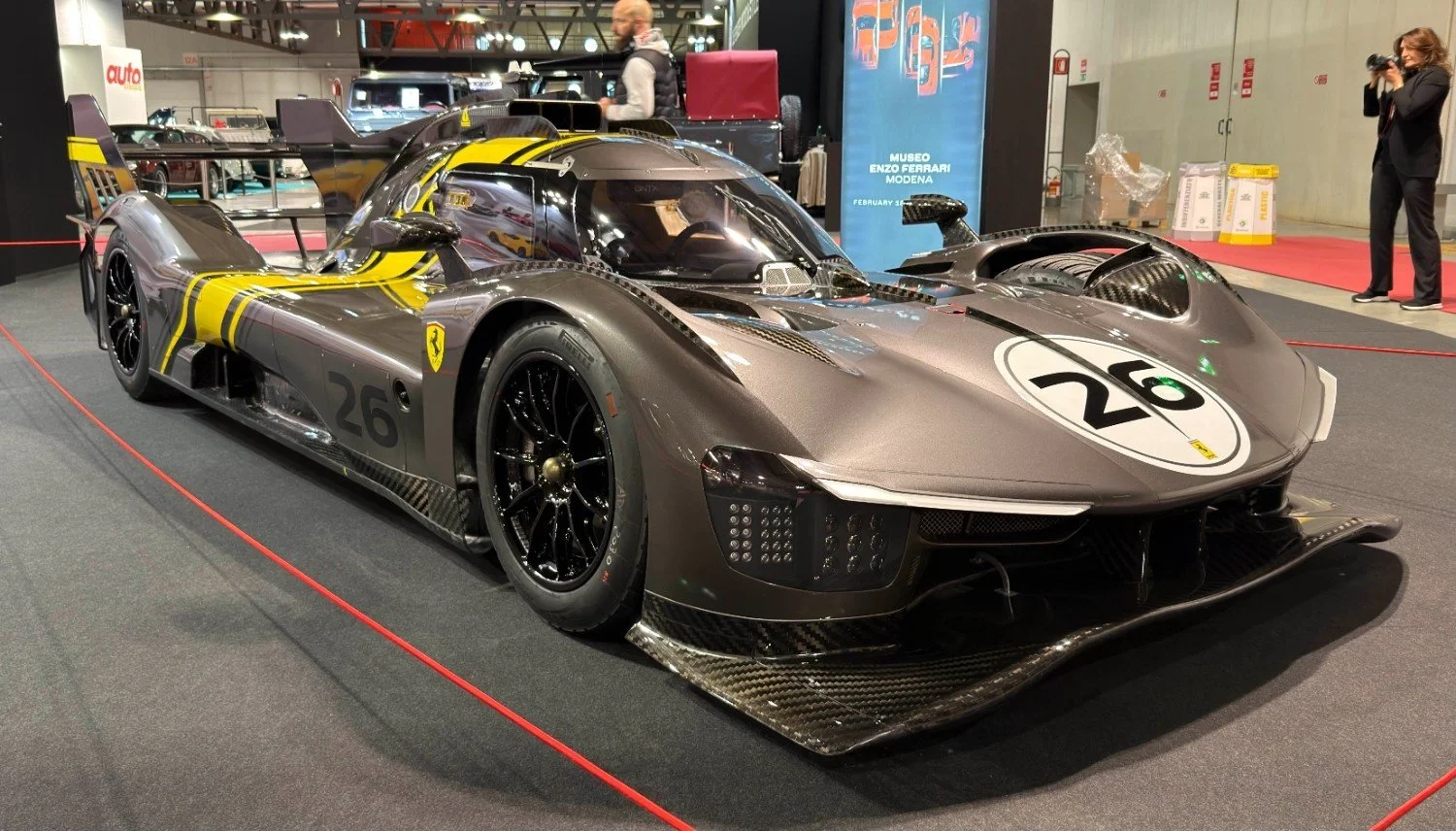
The next point of attention is the pinnacle of Ferrari’s current offer to Corse Clienti, and the first track-only car that is not based on a regular production model. The 499P Modificata is based on the Le Mans-winning prototype, the 499P, although there is substantially more fun to be had in the Modificata’s seat because there is no FIA World Championship Commission telling you what you can or cannot have. The main advantage over the competition model is the ability to use the 268 horsepower electric motor powering the front axle at almost any speed below 190 km/h, which allows the driver to take full advantage of the all-wheel-drive system. Besides that, at the driver’s discretion is the so-called “Push-to-Pass” system that temporarily unleashes an additional 160 horsepower. This system can be used for a limited period of time during a lap when the battery is charged above a certain threshold.
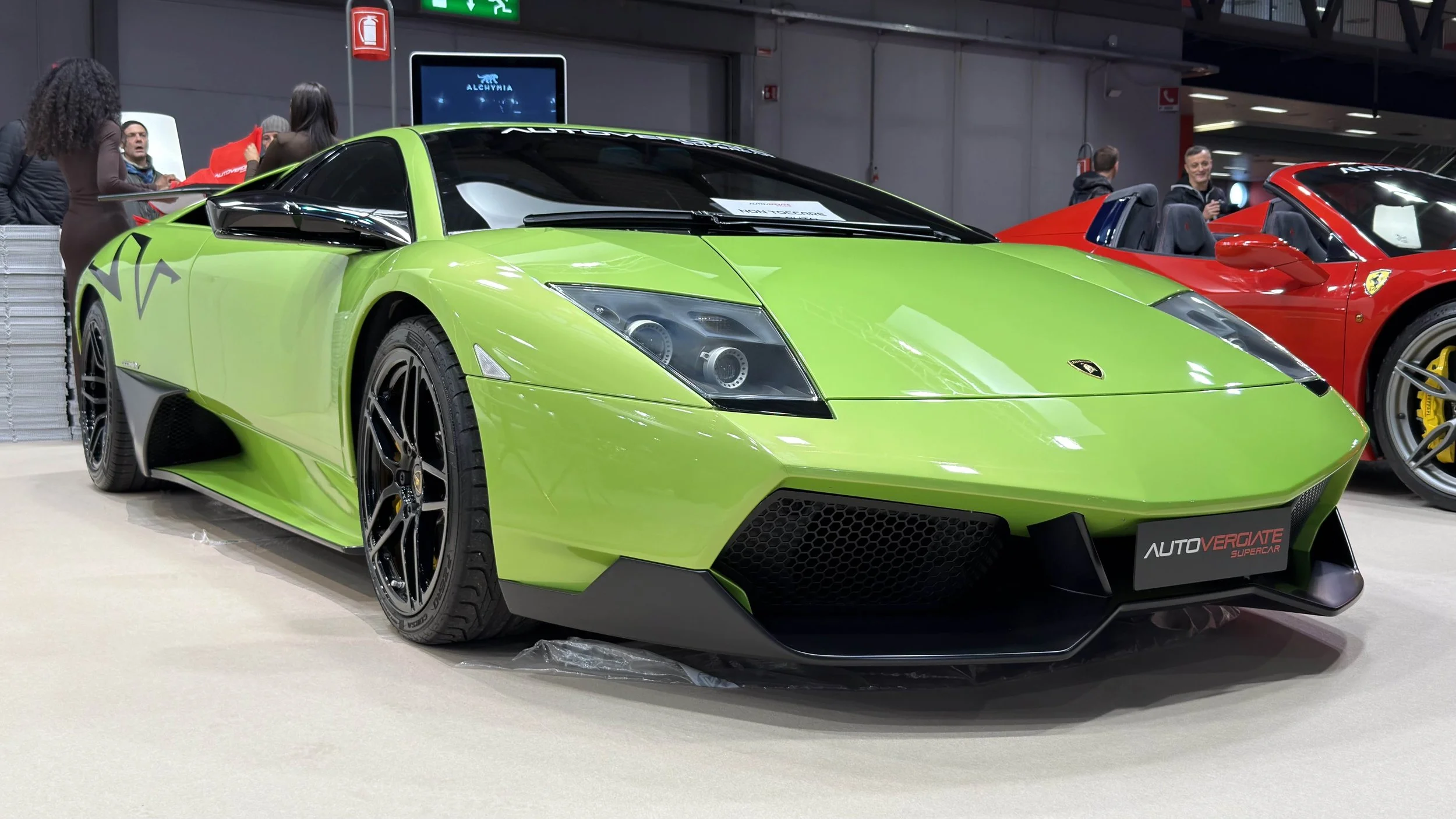
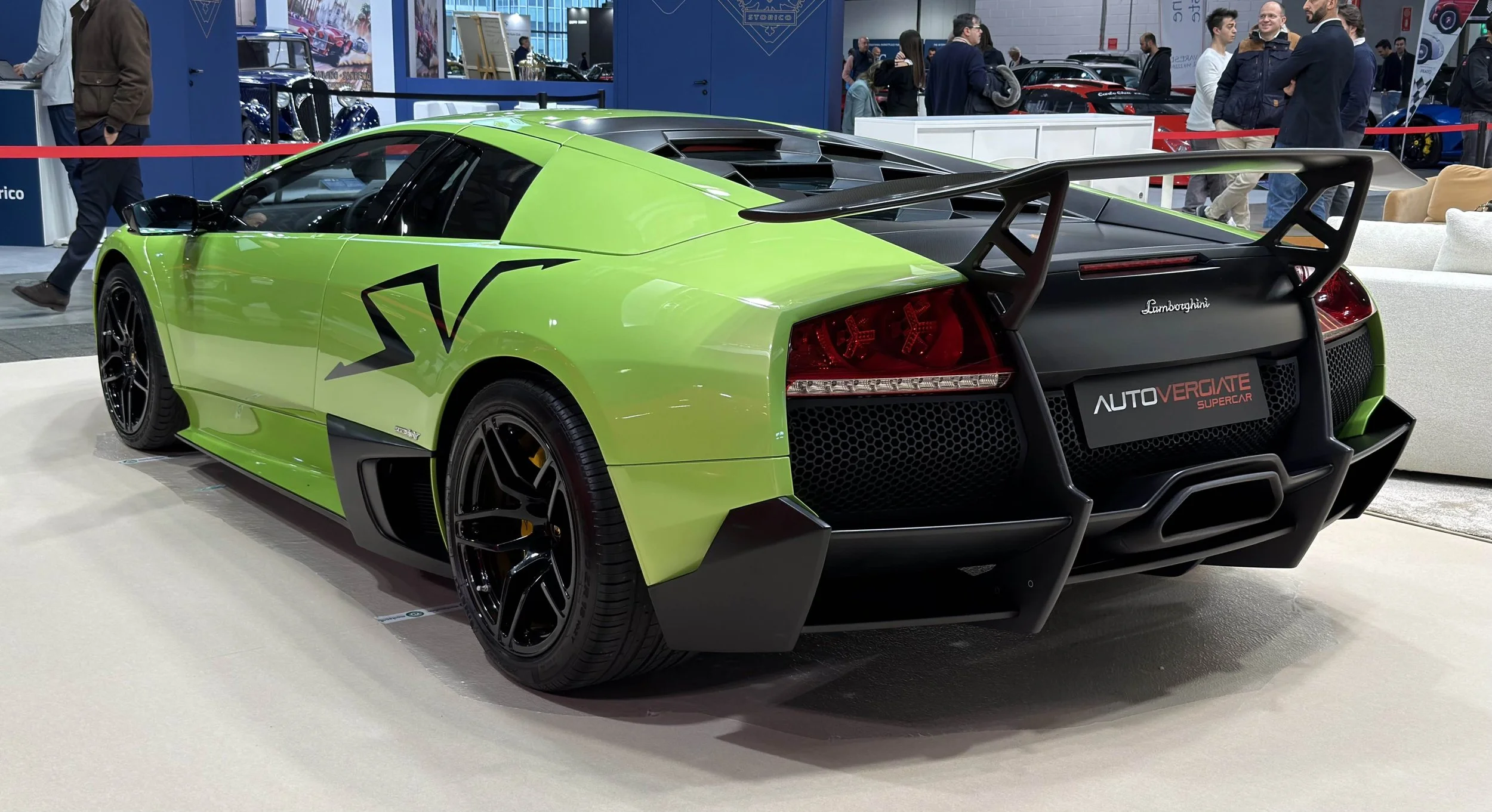
Taking a break from the Maranello products, but not at all from the Italian Motor Valley, across the hall you would see a Lamborghini Murciélago LP 670-4 SuperVeloce. While already being quite a rare supercar, with around 300 being made, it’s believed that only 3 were painted in this color – Verde Ithaca. Sadly, none of the known cars painted in this bright shade of green have the sought after 6-speed manual transmission, but one can dream. However, if the e-gear doesn’t bother you, as of November 2025 the car was put up for sale, so you might still catch it if you give the dealer a call…
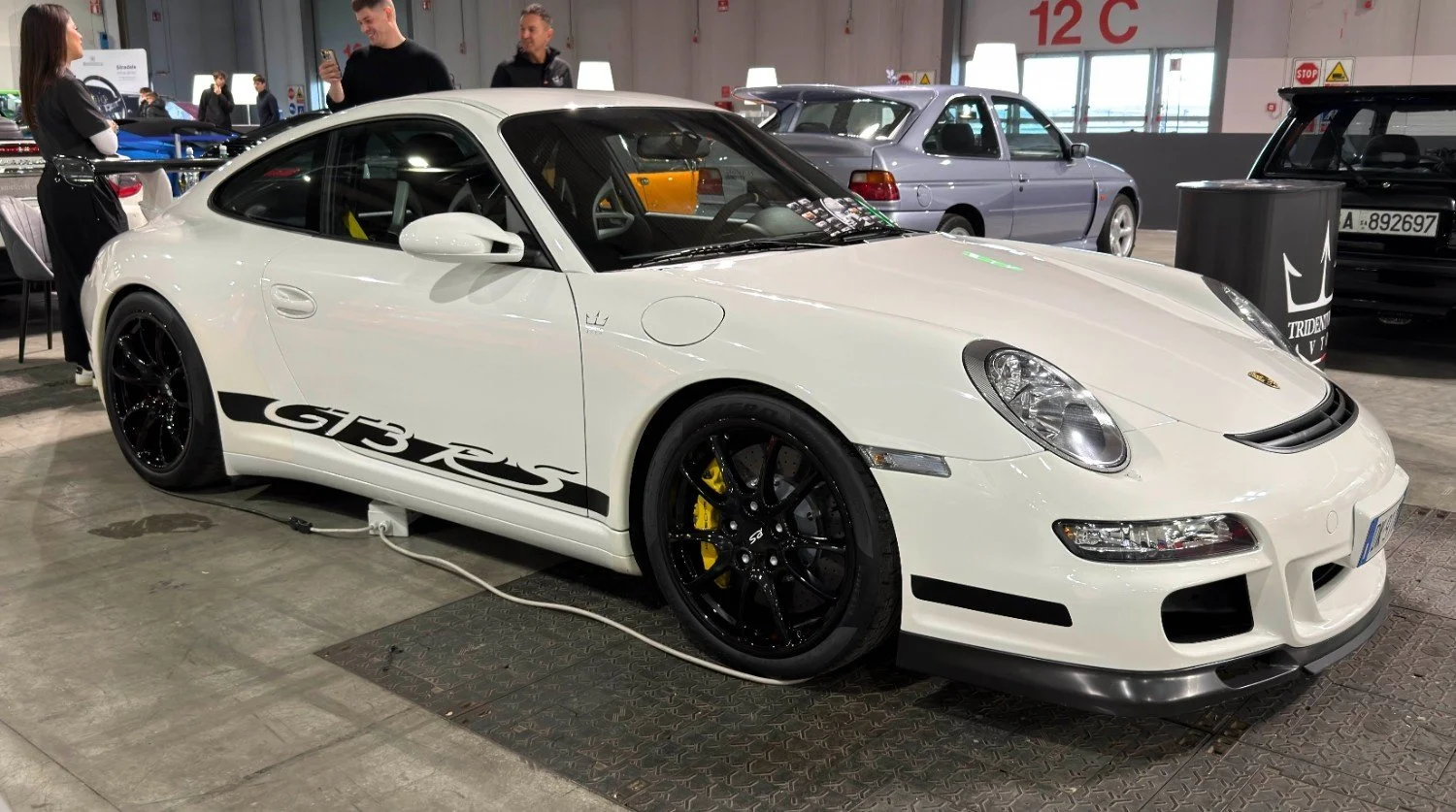
Another noteworthy example of a vehicle designed to deliver nothing but performance that was offered for sale is this Carrara White Porsche 911 GT3 RS. While being a few steps behind the level of its siblings like the GT2 RS or the 4-liter version of the facelifted 997 GT3 RS, this one still packs a 3.6-liter flat-6 engine that provides 409 horsepower while weighing just 1,375 kilograms. Considering the weight reduction achieved by using a plastic rear window and engine lid, a carbon fiber rear wing and seats, and stripping it of most of the luxury amenities, combined with the 6-speed manual transmission, the driving experience is promising to be nothing short of impressive.
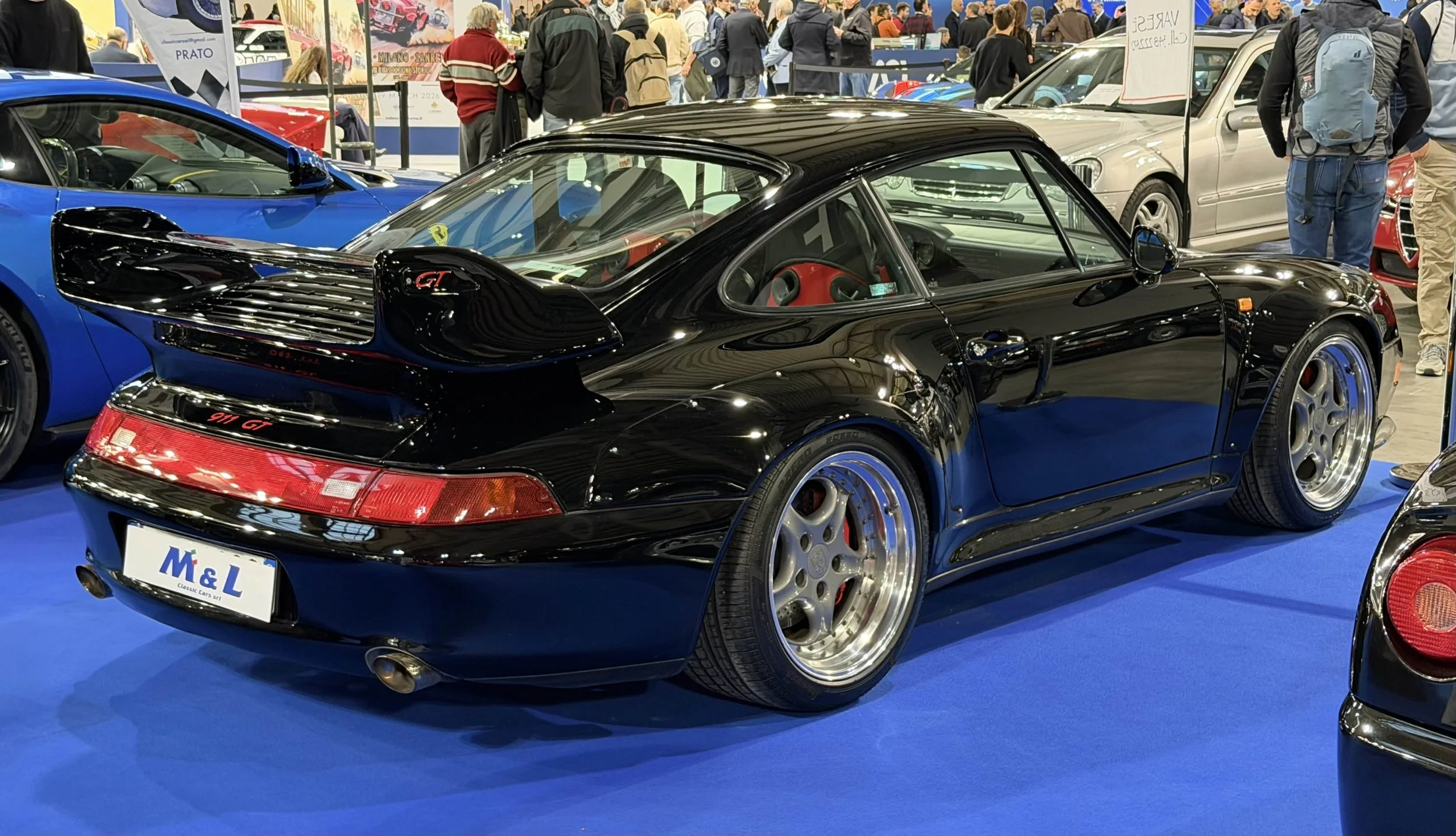
Still staying on the topic of Porsche (we promise it will be worth it), in our opinion this next model deserves the award for “The Most Exceptional German Car at the Show”, and yet shockingly also deserves it for “The Most Poorly Presented” for a car that special. In the back of the hall among the barriers hides a 993 991 GT2 homologation car, of which only 57 were built. The purpose was to meet the requirement for the 993 race car that would allow it to enter FIA, IMSA and BPR races in the GT2 class starting in 1995. The street legal homologation car, named just “GT”, turned out to be even more savage than the already massively fast 993 Turbo. The twin-turbo 3.6-liter engine was tuned to squeeze out an additional 20 horsepower over what the Turbo had, the fenders have been cut and replaced with plastic bolt-on pieces to fit wider tires, which also made the car 60mm wider. Other upgrades included the front splitter, aluminum doors, front and rear lids, a large rear wing with air intakes, enhanced suspension and brakes and even a thinner rear window. Despite how this car was hidden at the show, you’ll see how it’s actually appreciated on the market. On average, a 911 GT like this will set you back around €1.5 million.
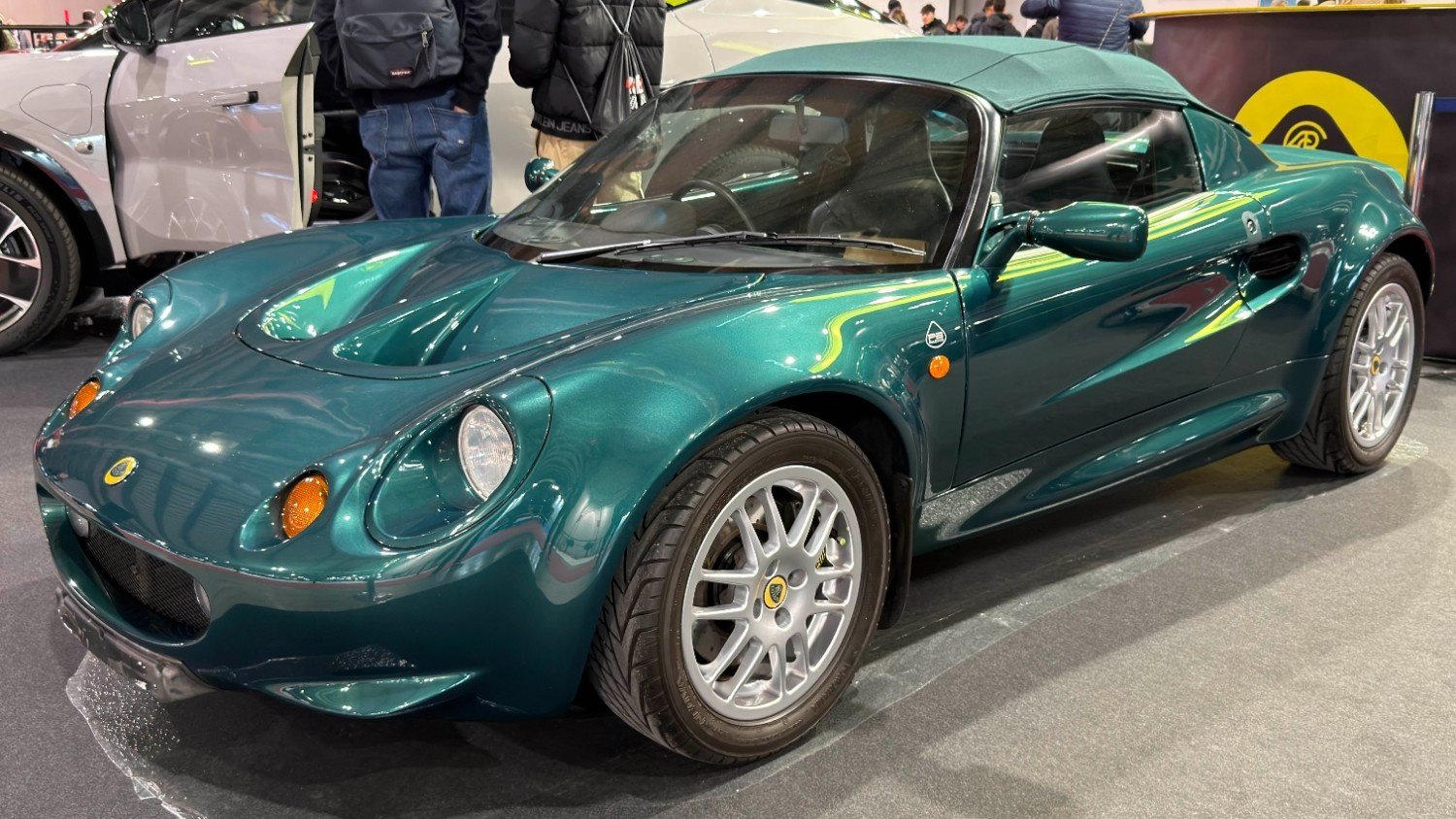
Another sportscar that might have gone unnoticed by some, this time mostly due to its size compared to other exhibits, is the Series 1 Lotus Elise, although the rather compact body has been its advantage almost everywhere else. The philosophy behind the successor of Lotus Elan was minimal weight, and maximum pureness and responsiveness. In accordance with these ideas it had been decided that the Honda-derived 1.8-liter K-series engine would be just enough. And by all means it was, with just 118 horsepower and a mere 750 kilograms weight only helping it to receive countless praise from both the press and enthusiasts all over the world.
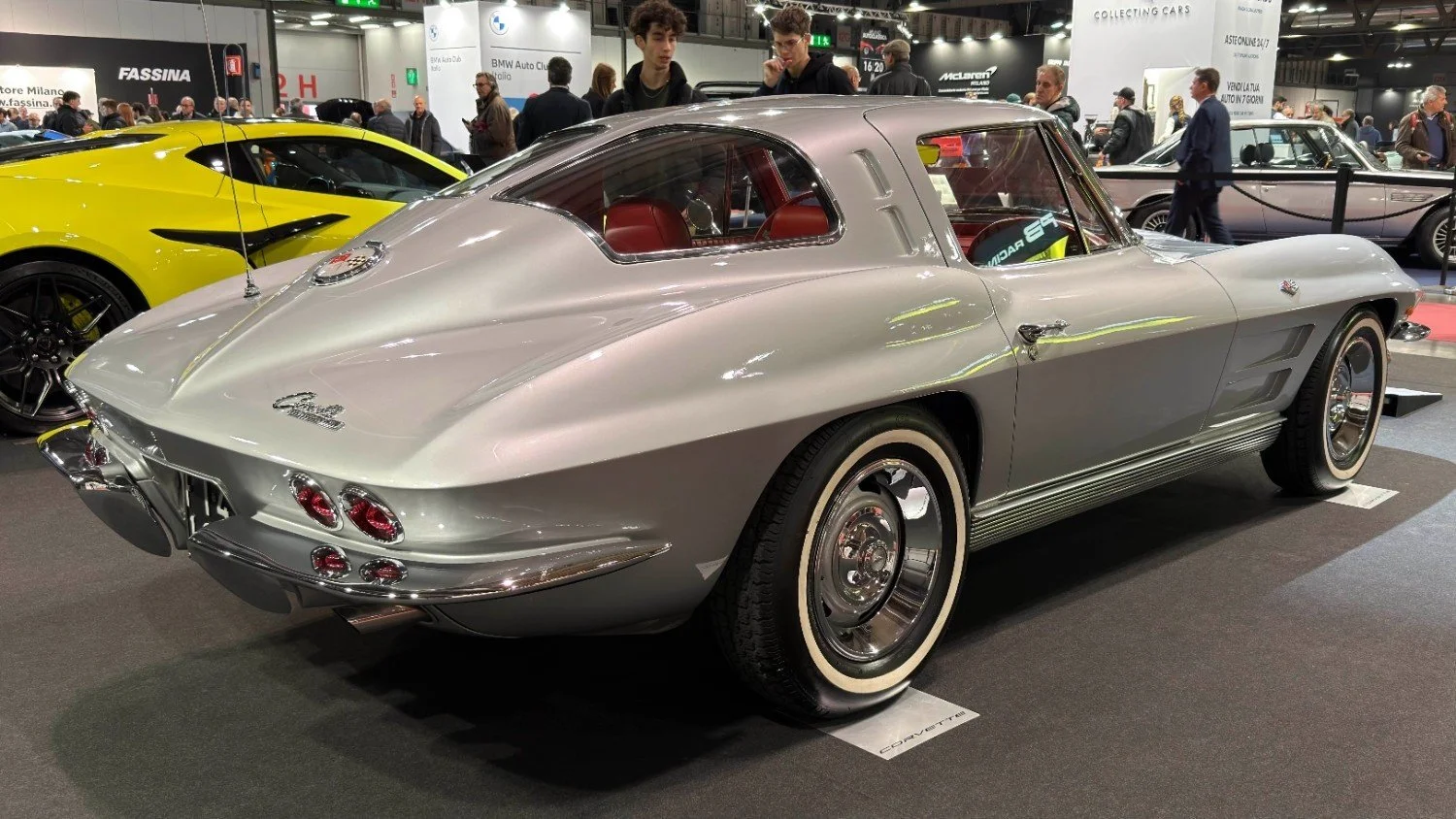
One of the few cars representing the American automotive industry was this Chevrolet Corvette C2 Sting Ray. After the mixed success of the C1 Corvette in the 1950s, the C2 went on to reinforce the formula of a V8-powered sportscar with a steel ladder chassis with a rather striking appearance. The exterior was almost completely redesigned due to the influence of two other GM projects and wind tunnel testing having been used for a Corvette for the first time. This particular C2 is especially noteworthy since it is a 1963 production model, being easily distinguishable by the split rear window and non-functional hood vents. These two features were discontinued in 1964, making the split-window Corvette relatively rare and therefore more desired by collectors and enthusiasts.
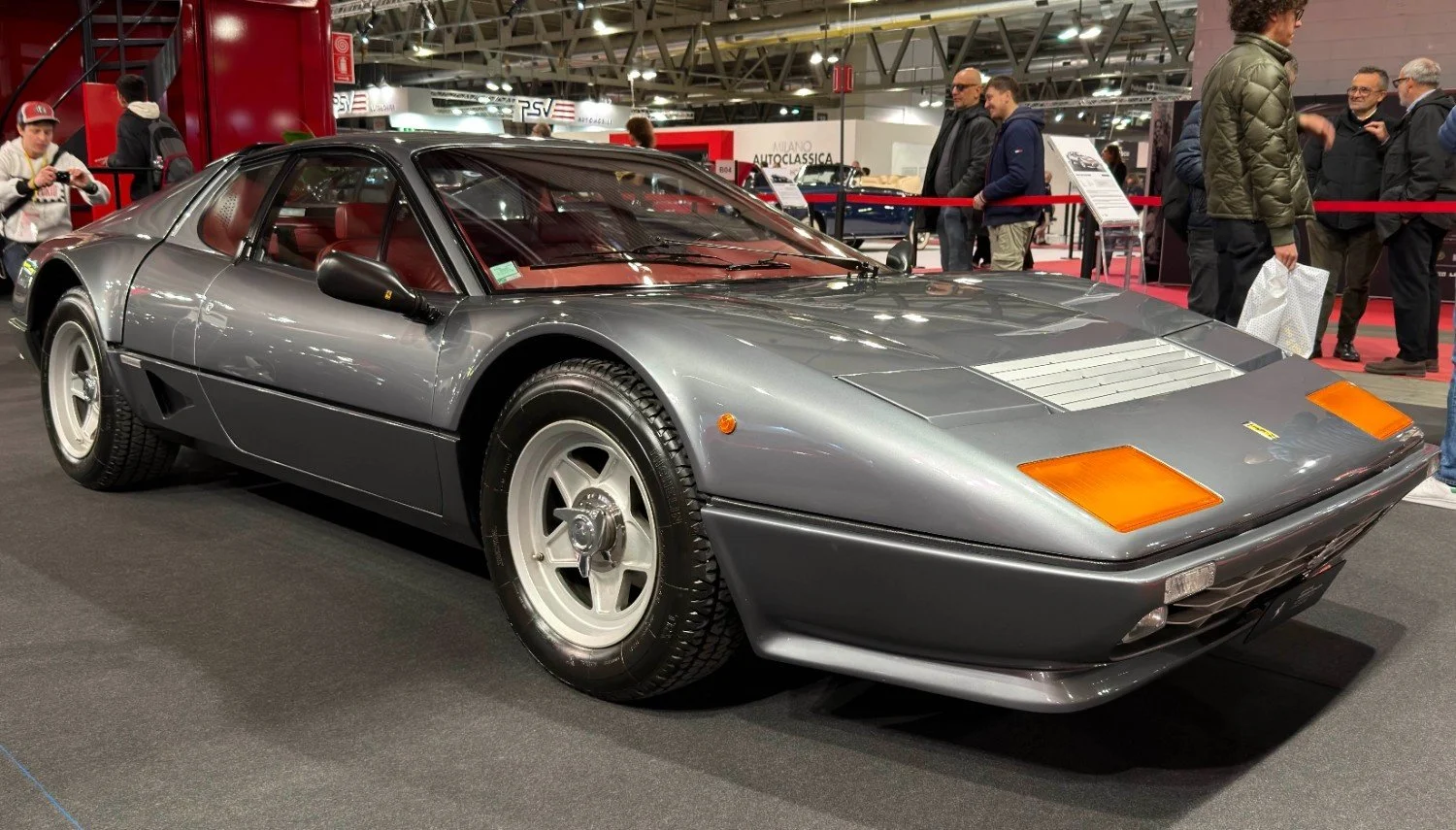
To end the report we will come back to where we started – the ever-admirable display by Musei Ferrari, this time in collaboration with a dealership, focusing first on this pristine condition Ferrari 512 BBi. While it is undoubtedly flawed due to its weight distribution between the front and rear, and higher than optimal center of mass, you can still count on the thrill that the longitudinally mounted 5-liter flat-12 provides. In the end, the project was successful enough to give birth to two race versions – the 512 BB Competizione and the 512 BB LM.
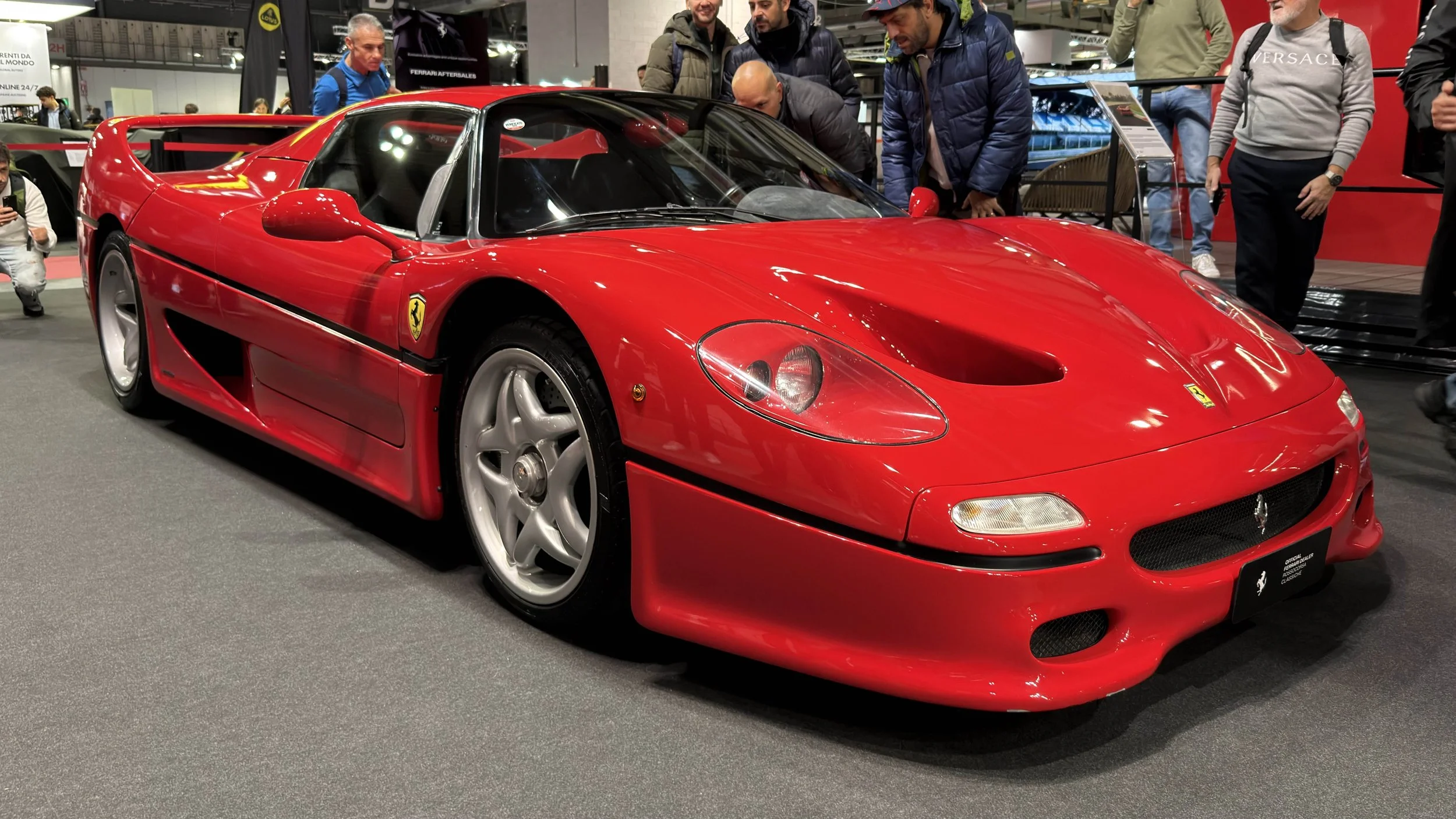
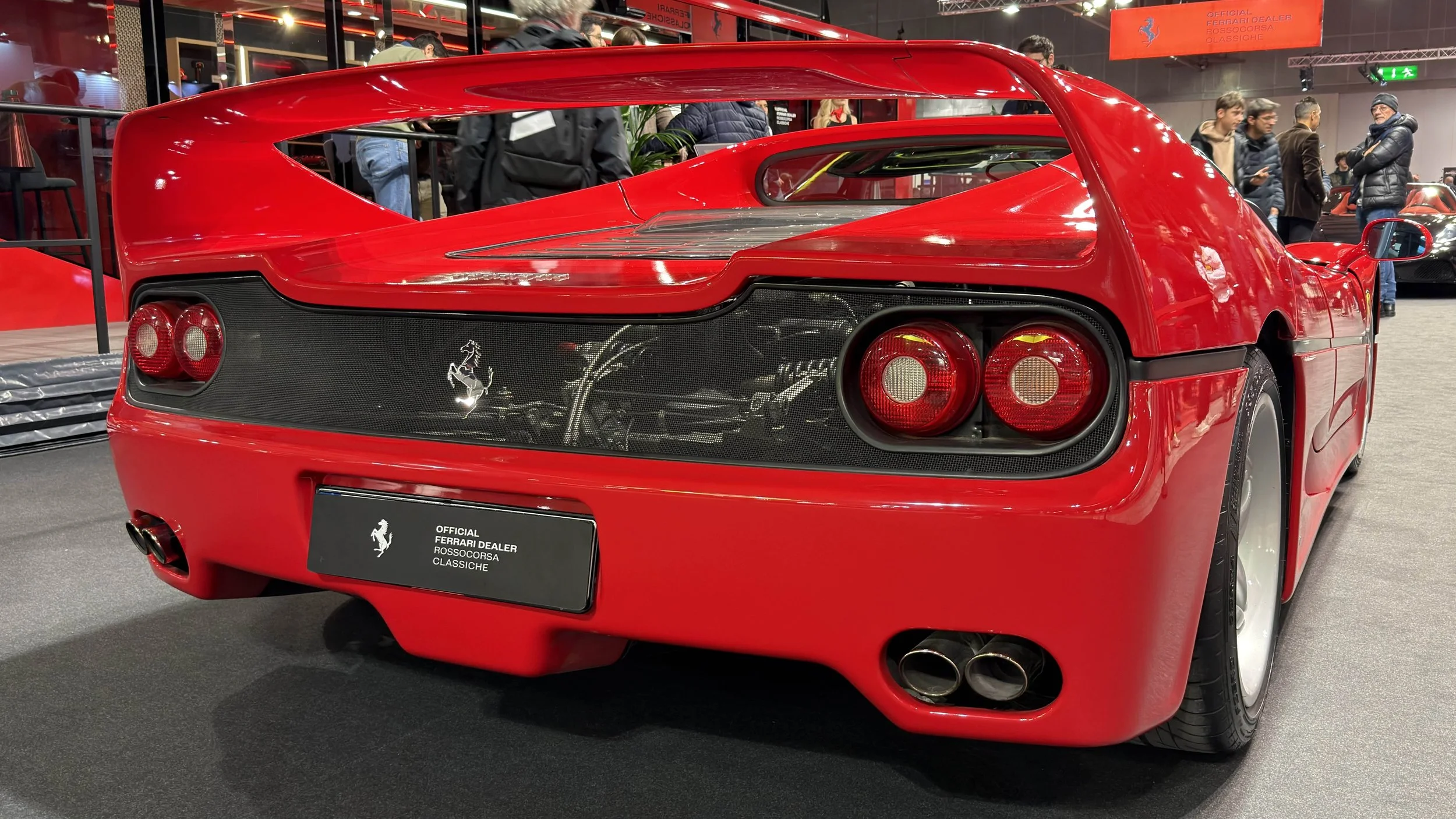
The final exhibit is the Ferrari F50, a true supercar built as athletically as could possibly be. And like many others, it definitely deserves its own feature. Rest assured, you will likely see that from us in the future, but we will most likely be looking at a different chassis. Focusing on that athleticism, the most obvious thing is the deliberately visible 4.7-liter V12 encompassed by almost nothing but a transparent Lexan panel and rear grille. The engine is derived from a 3.5-liter V12 used in Ferrari Formula 1 cars and, together with the 6-speed manual gearbox, they make a structural member of the chassis. A race version dubbed F50 GT was meant to follow in the footsteps of the F40 LM and enter races in GT-1 class, but ultimately the project was scrapped and 3 cars that were already built had been sold.
While the idea of seeing some truly exceptional automobiles at a show like Milano AutoClassica would perhaps seem obvious, it still turned out to be more than we anticipated, and we trust that you would find this to be true as well. It is hard to expect the unexpected, but in this case it’s for the best. You seriously do not want to spoil the surprises that await you there, and this is exactly what we are looking forward to next year in Milan.