For the first time in 50 years Rétromobile shares a space with another showcase event – the Ultimate Supercar Garage. Located just 20 meters away in a neighboring pavilion is an exhibition showcasing the latest supercars and hypercars from well known manufacturers such as Pagani, Lamborghini, and Ferrari as well as all sorts of reimagined sportscars and race cars from the 70s and 80s from smaller makers and restomod enthusiasts. And when we say “latest”, we really mean it; multiple reveals happened on the grounds of the Ultimate Supercar Garage, and one of them was truly special.
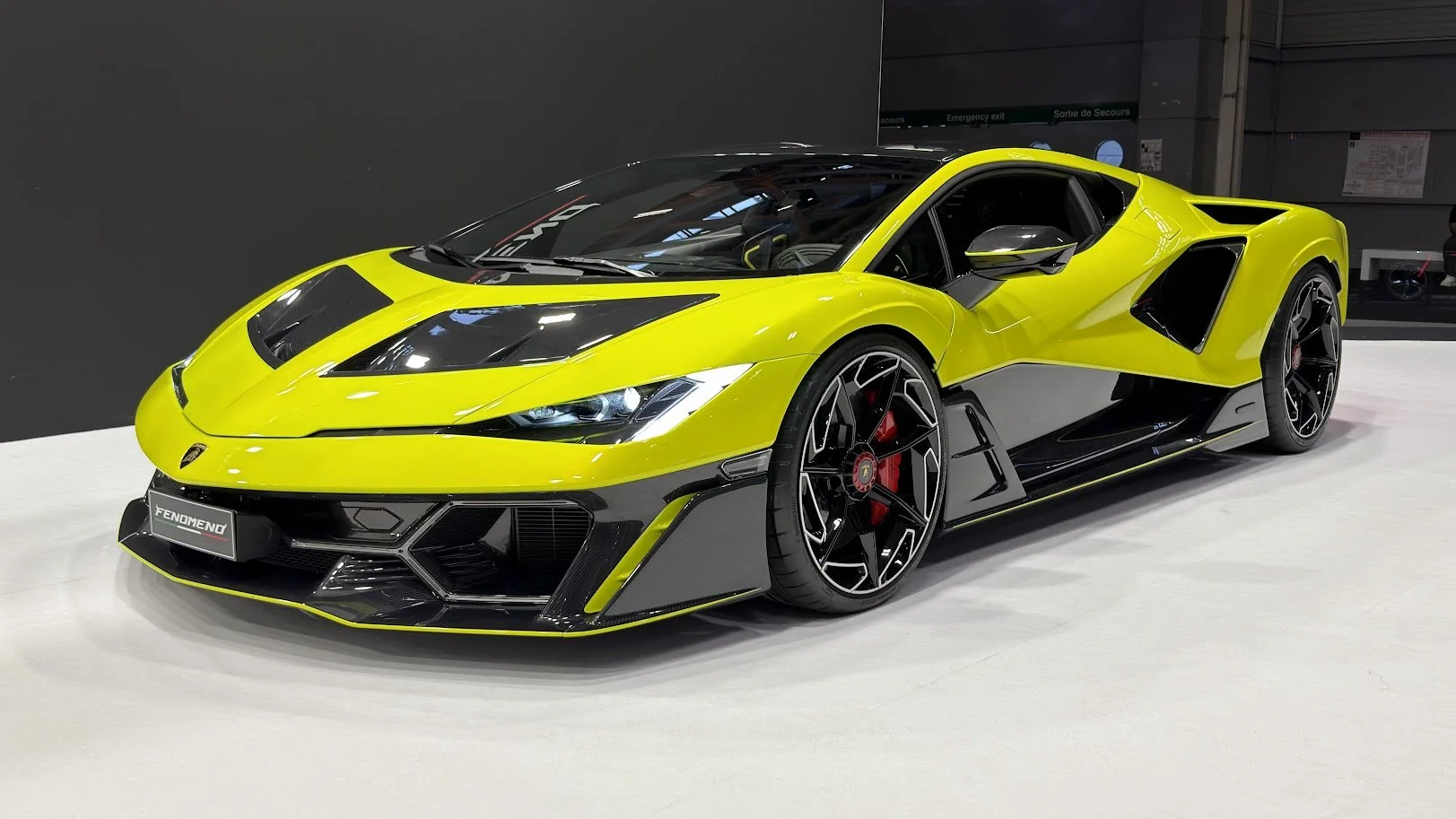
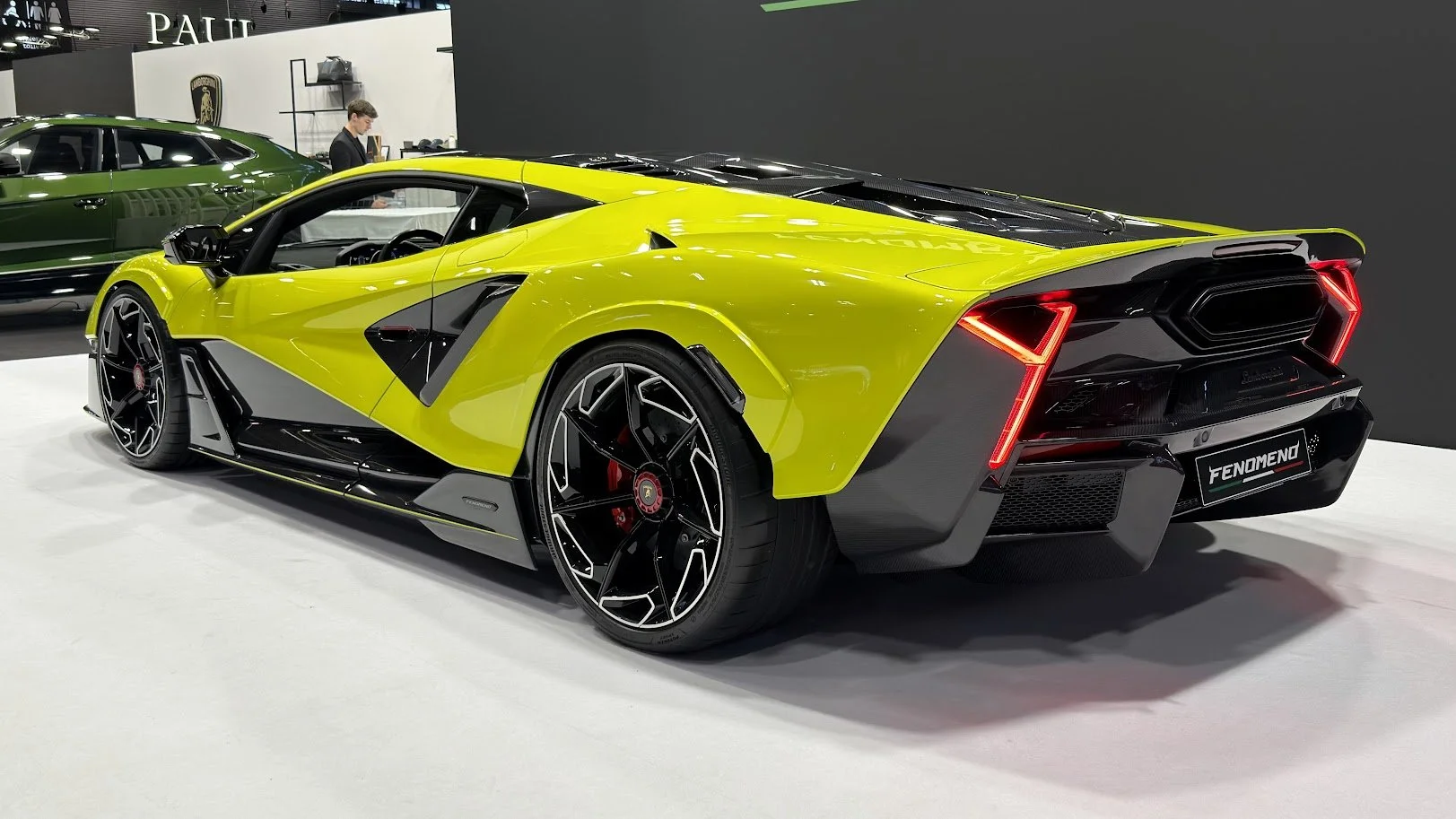
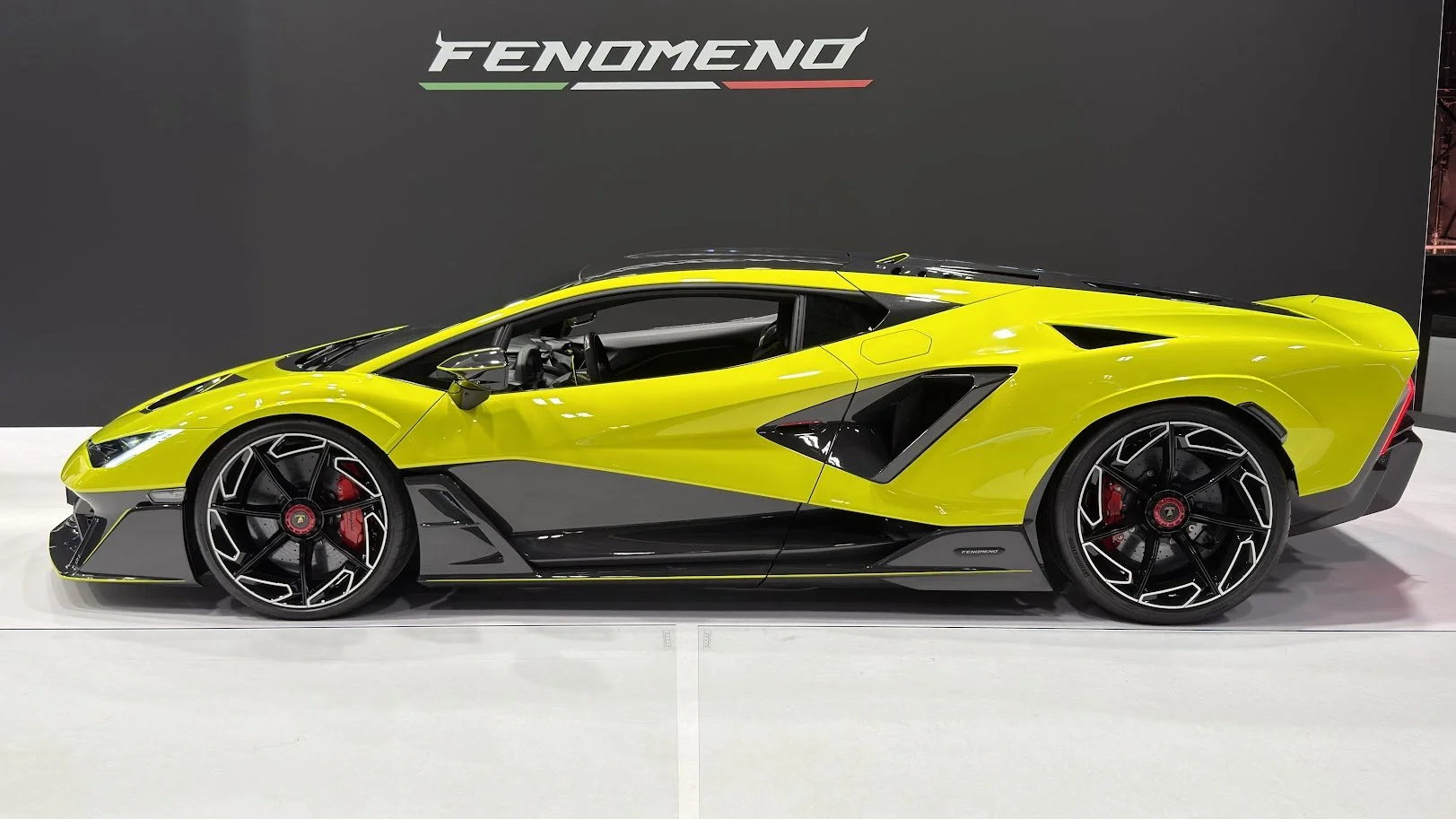
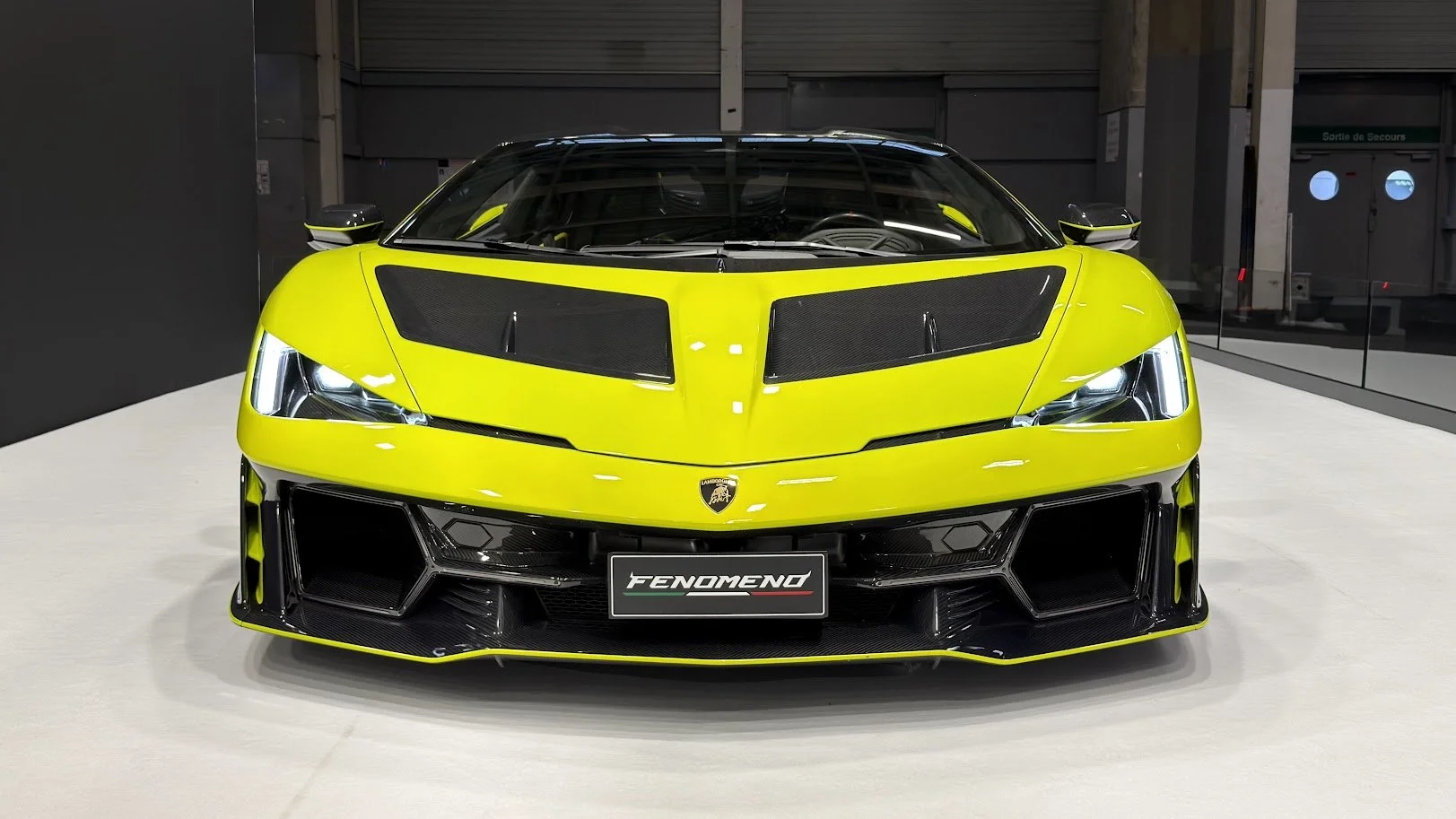
The first exhibit was the latest Lamborghini limited production supercar which was continuing its world tour after being unveiled at The Quail in August 2025. Not much is currently known regarding its technical underpinnings besides it being partially based on the Revuelto, sharing the same engine. The production run will consist of only 29 cars. The example here is the car “00” out of 29, a pre-production model.
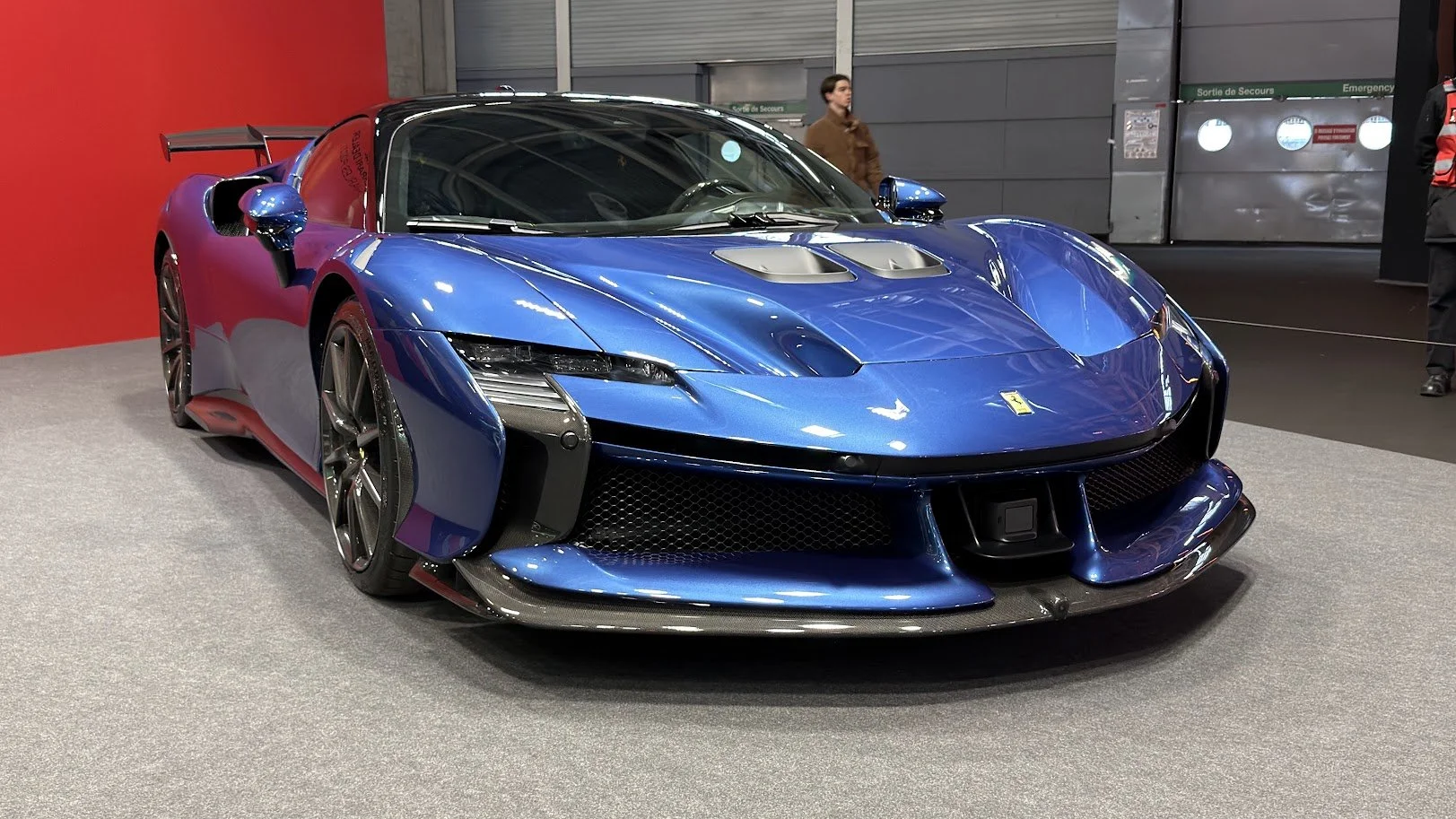
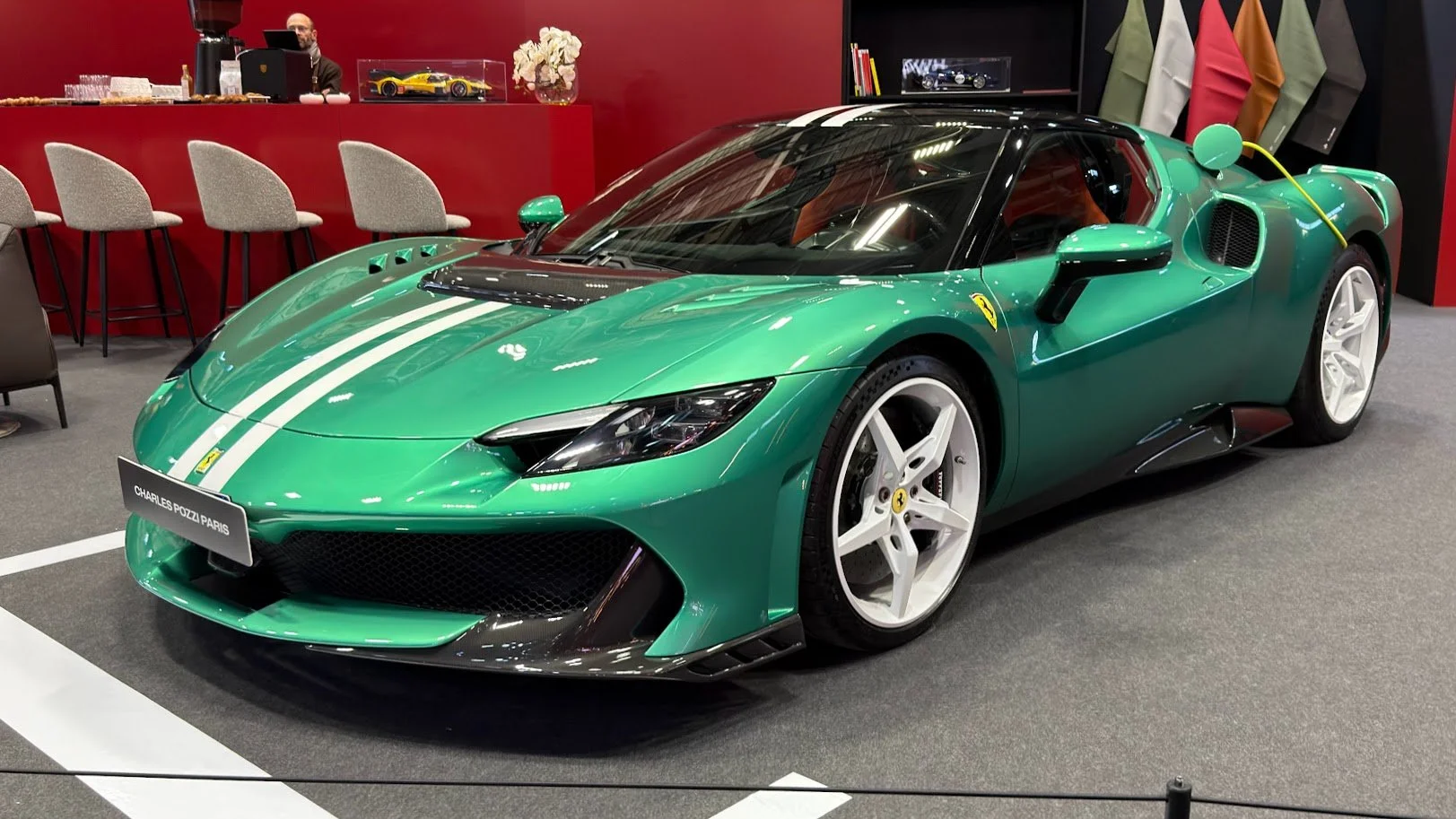
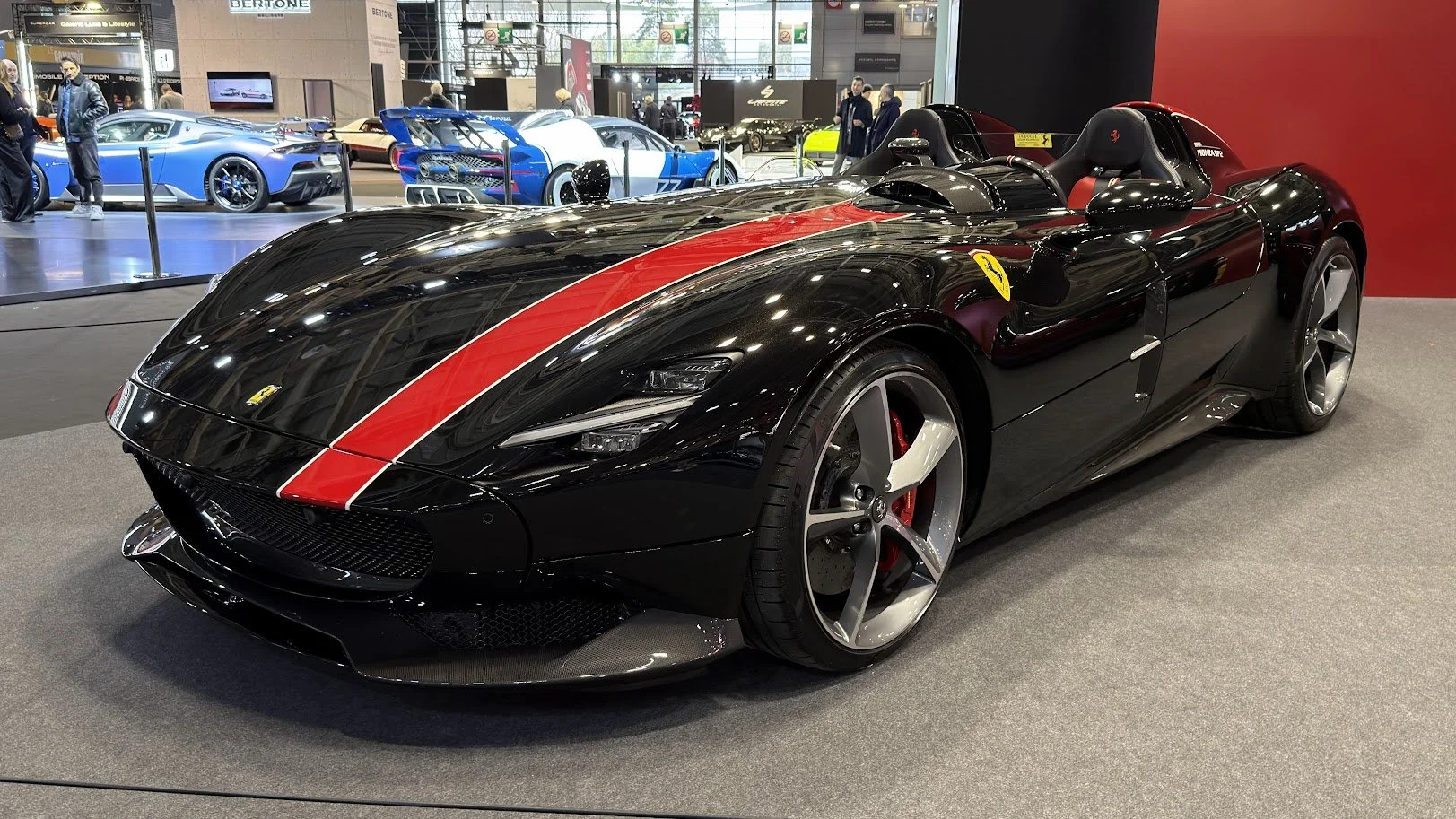
Of course, with a display of one of Italy’s Motor Valley titans being present, it’s no surprise that you could find another one. Naturally, a stand by the Charles Pozzi Group is present with some of the latest and most extreme Ferrari cars. First up is the latest addition to the XX Program, along with its convertible variant, and the first one to ever be street-legal. The Ferrari SF90 XX Stradale is unsurprisingly based on the SF90 Stradale but at the same time it couldn’t be more different. Extensive reworking with optimized bodywork, a barebones interior at least by Ferrari road car standards, and over a 1000 horsepower powertrain make it another unquestionably solid entry to the XX Program. Next to it was another supercar, the 296 Speciale – a truly special version of the standard 296. If you are familiar with the philosophy of the 430 Scuderia or the 458 Speciale then the idea behind the 296 Speciale would be no mystery to you. Weight reduction affected many areas of the car. The engine was lightened, the bodywork received additional aero elements including the distinct winglets on the rear end- increasing the downforce by 20% - and the car now has a power output of 868 horsepower. On the other end of the stand is perhaps a different kind of extreme. No windshield, no roof, and barely any cargo space may be an extreme inconvenience to some and at the same time a positive, unbelievable experience for others. This Ferrari Monza SP2, along with its single-seater version the SP1, are the first ever members of Ferrari’s new Icona Series. Both SP1 and SP2 are meant to be a tribute to classic racing models such as the 750 Monza, and the resemblance is indeed there. Both the SP1 and SP2 are powered by a 6.5-liter V12, nearly identical to the one that you can find in an 812 Superfast, and are rear-wheel-drive. The elephant in the room is the windshield situation, and as you can see, there is none at least at first glance. The technology Ferrari developed and patented for these cars is the so-called “virtual windshield”, an aerodynamic element that is supposed to divert the airflow away from the driver’s face. Interestingly enough the passenger side on the SP2 still has more of a traditional glass windshield.
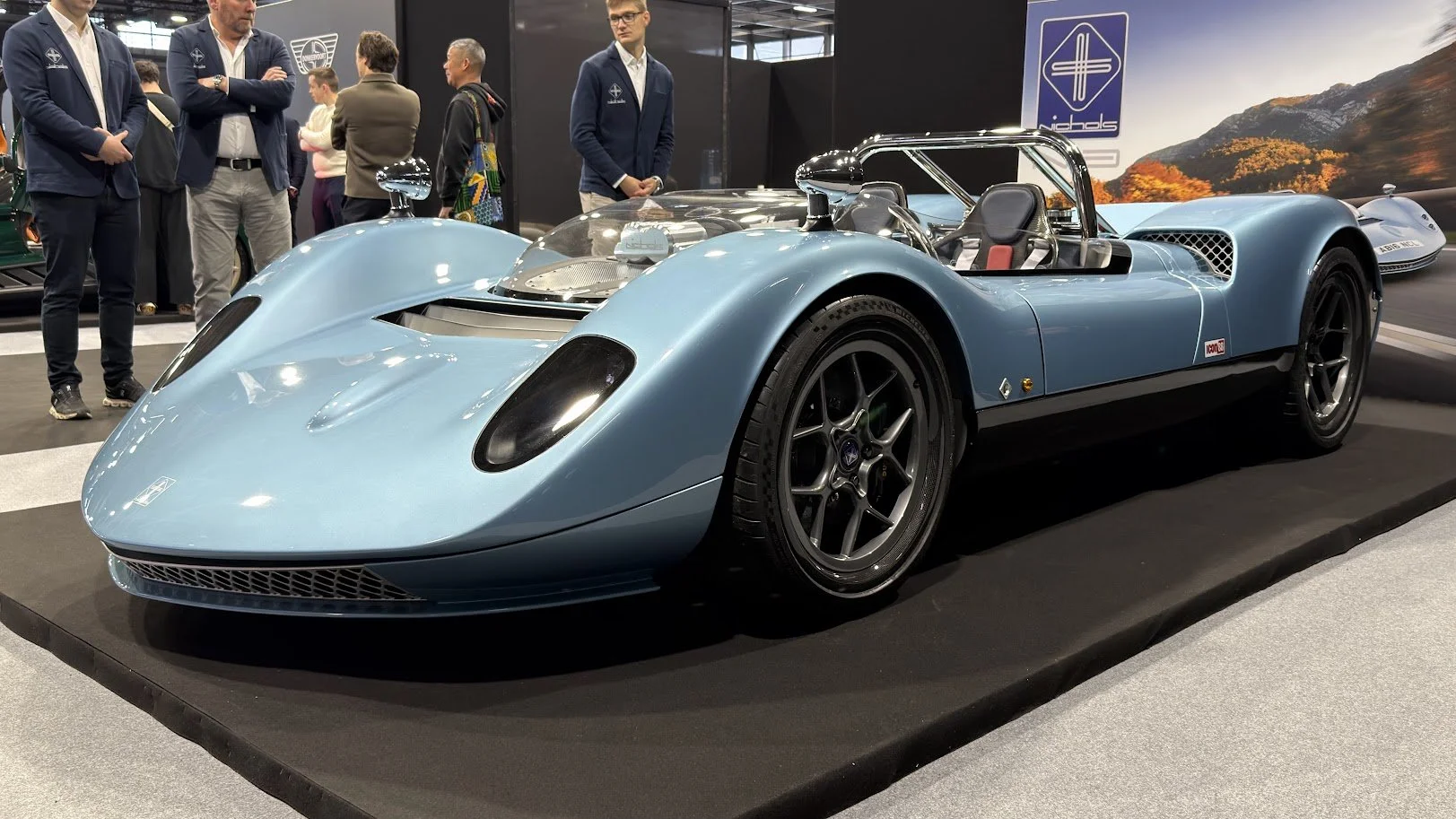
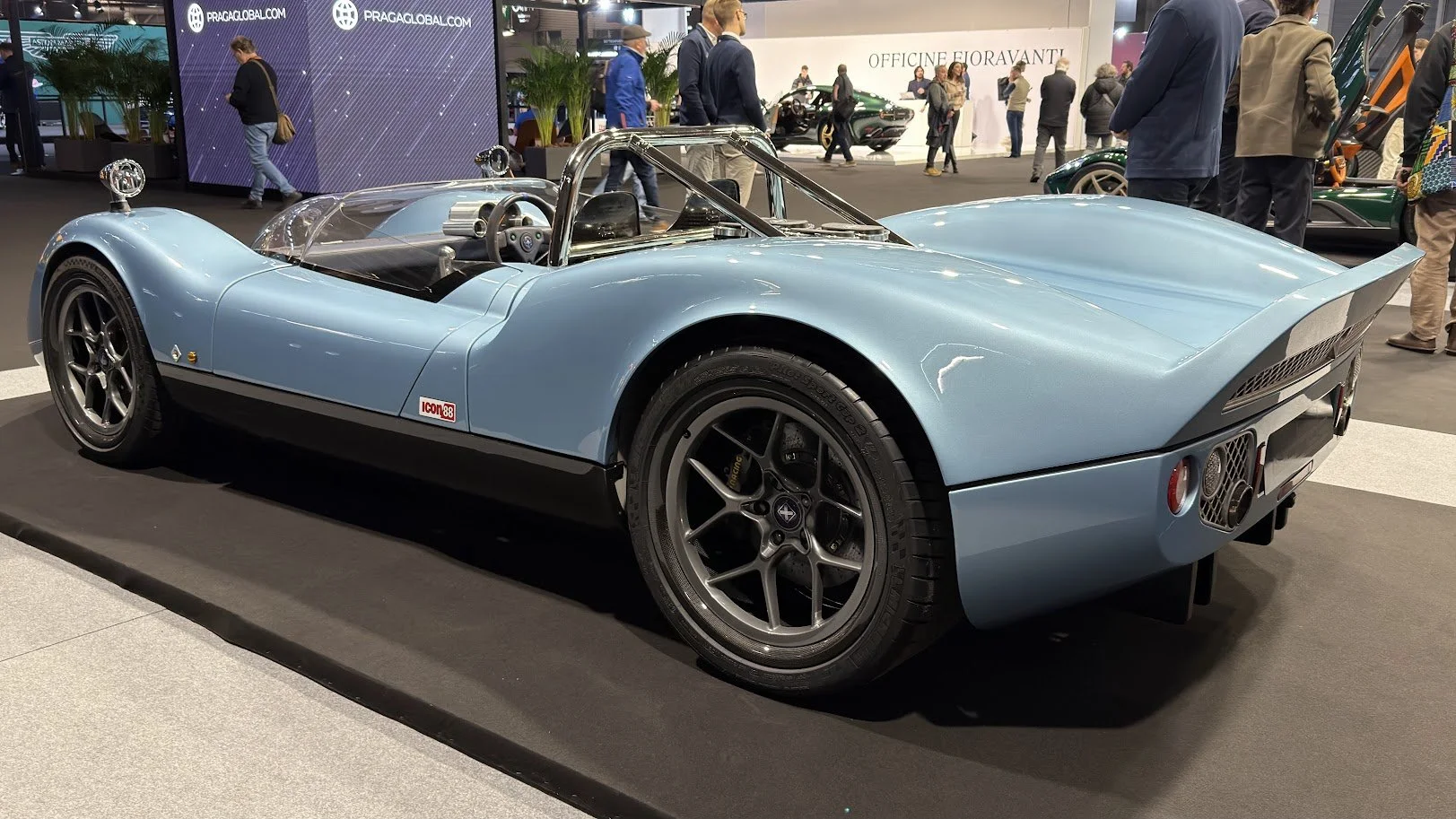
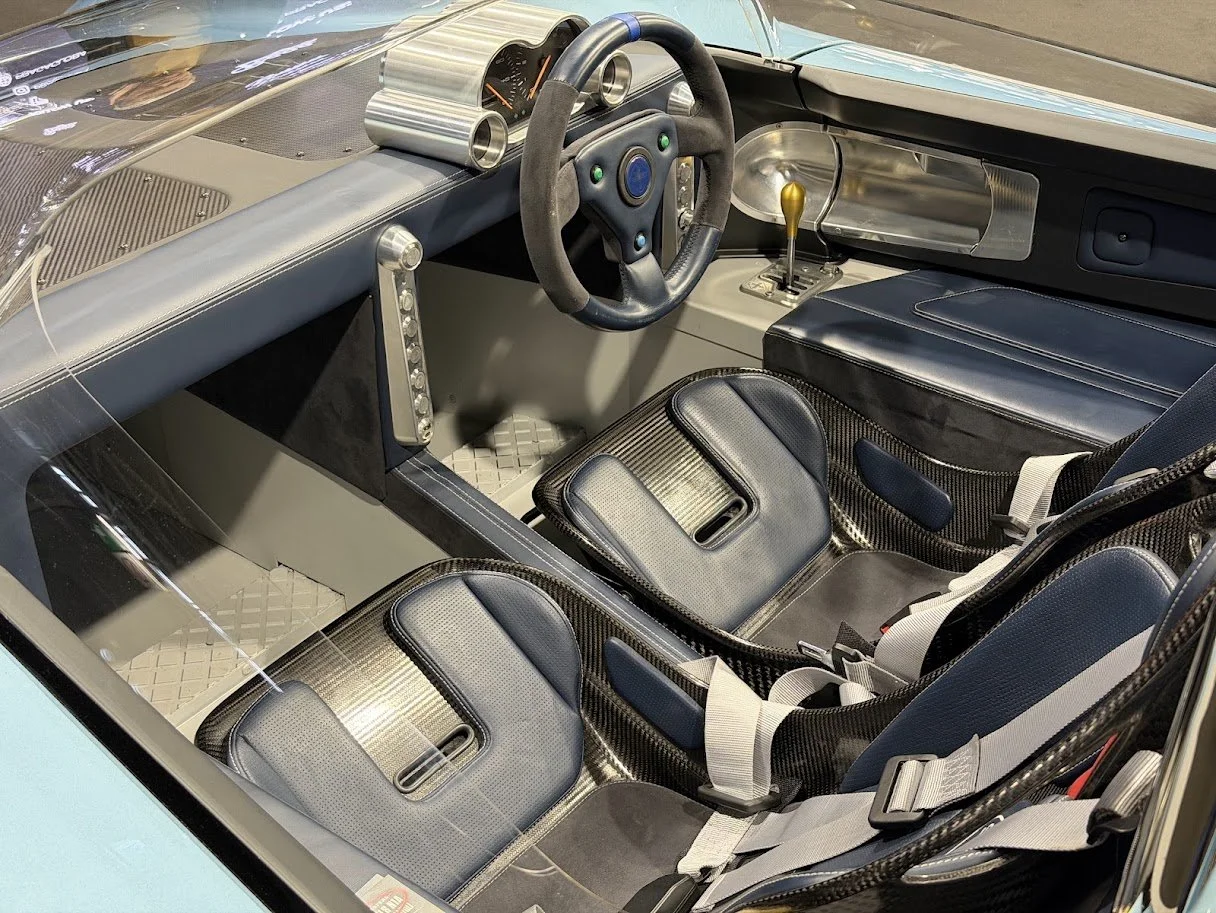
If you’ve ever felt a craving for, or perhaps had more of a nostalgic feeling about Can-Am, that is quite understandable. Not many racing series offered so little regulations and so much thrill. Minimal weight and maximum power was the motto for any team who intended to win, and we are delighted to tell you that those words aren’t necessarily only describing something from a few decades ago. This is the Nichols N1A, the first car from Nichols Cars, a company founded by racing engineer Steve Nichols who built the highly successful McLaren MP4/3 and presumably the MP4/4 F1 car. Being a “McLaren man through and through,” Steve Nichols borrowed plenty of design and mechanical cues from a Can-Am McLaren M1A car for his new creation. Both have a Chevrolet V8 under the hood and a manual transmission. Even the gear stick is on the driver’s right side despite this being a right-hand-drive car. The interior is extremely austere, as it’s meant to be for a car following the footsteps of a race car so precisely. Naturally the weight is quite impressive, being around only 900 kilograms, which is practically unattainable for most sportscars today.
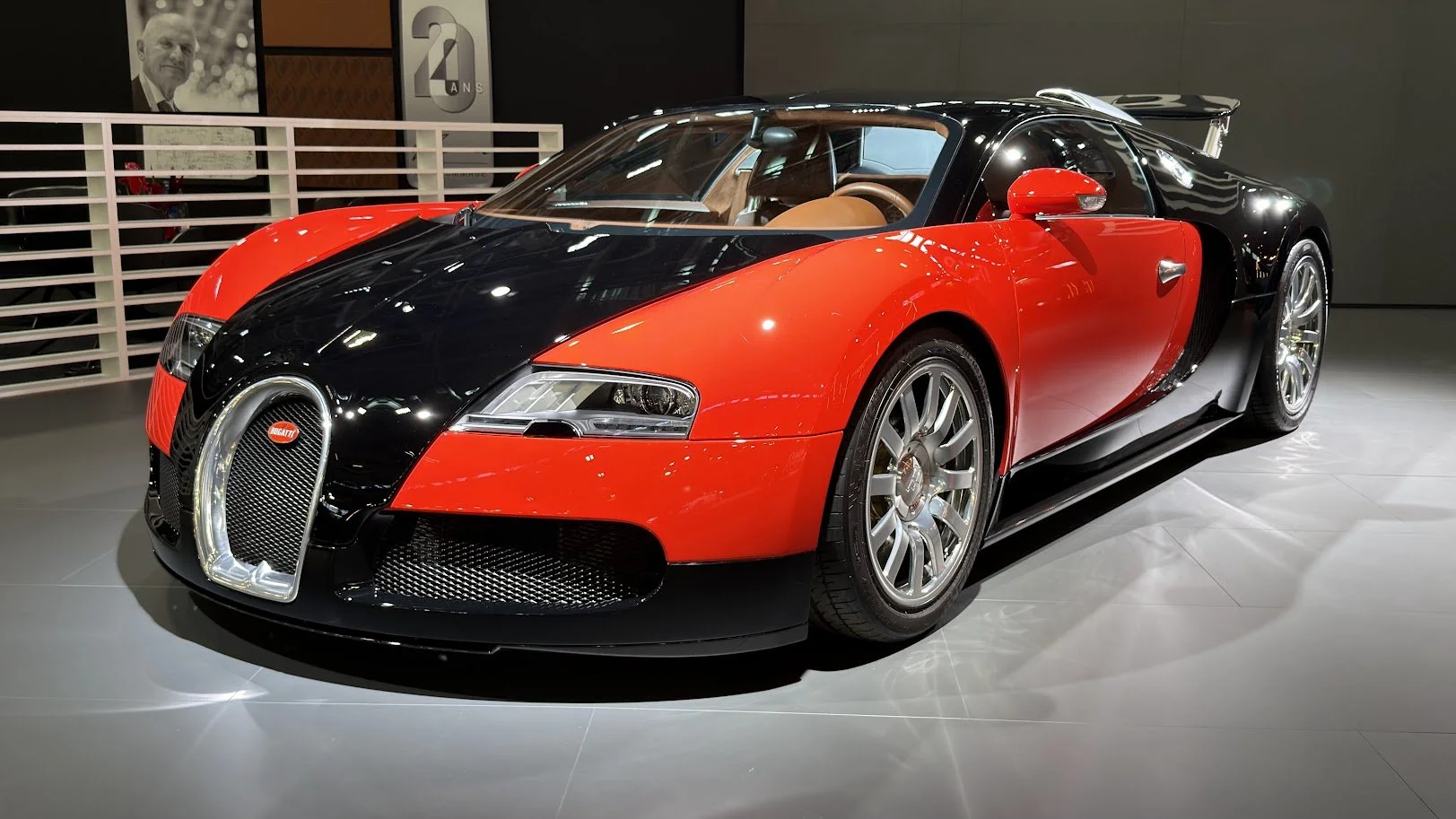
Now let’s move on to the main course. There were a number of reveals and announcements during the first ever edition of Ultimate Supercar Garage, but this one certainly had the most attention. The 2-part stand by Bugatti featured 6 cars, all of which had something in common. 5 out of 6 cars were different versions of Veyron, ranging from the standard model to its latest iteration – the Grand Sport Vitesse. It’s quite difficult to pick a single favorite from this outstanding display but our attention couldn’t be drawn away from the stunning 1-of-3 Blue Carbon Super Sport.
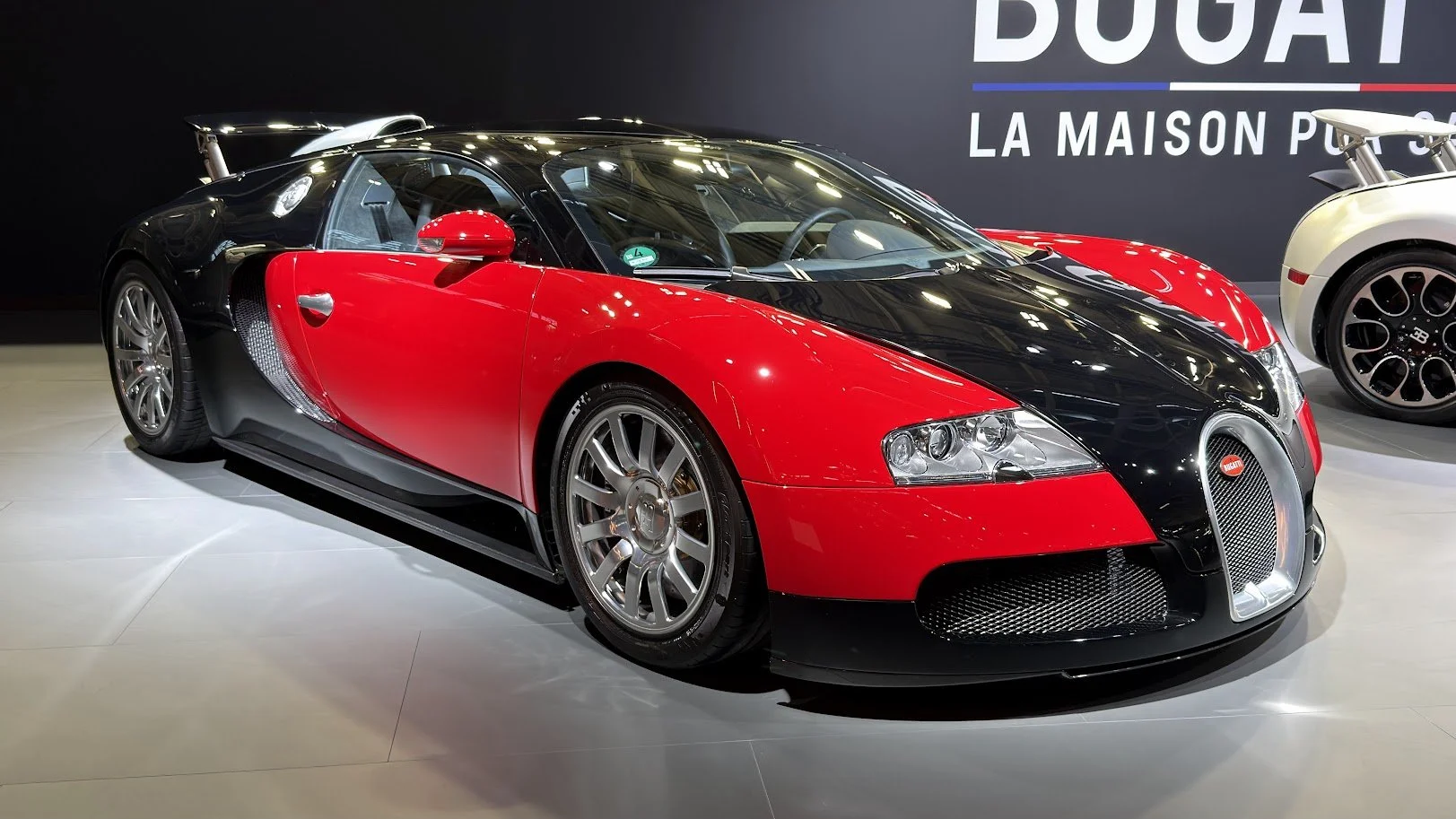
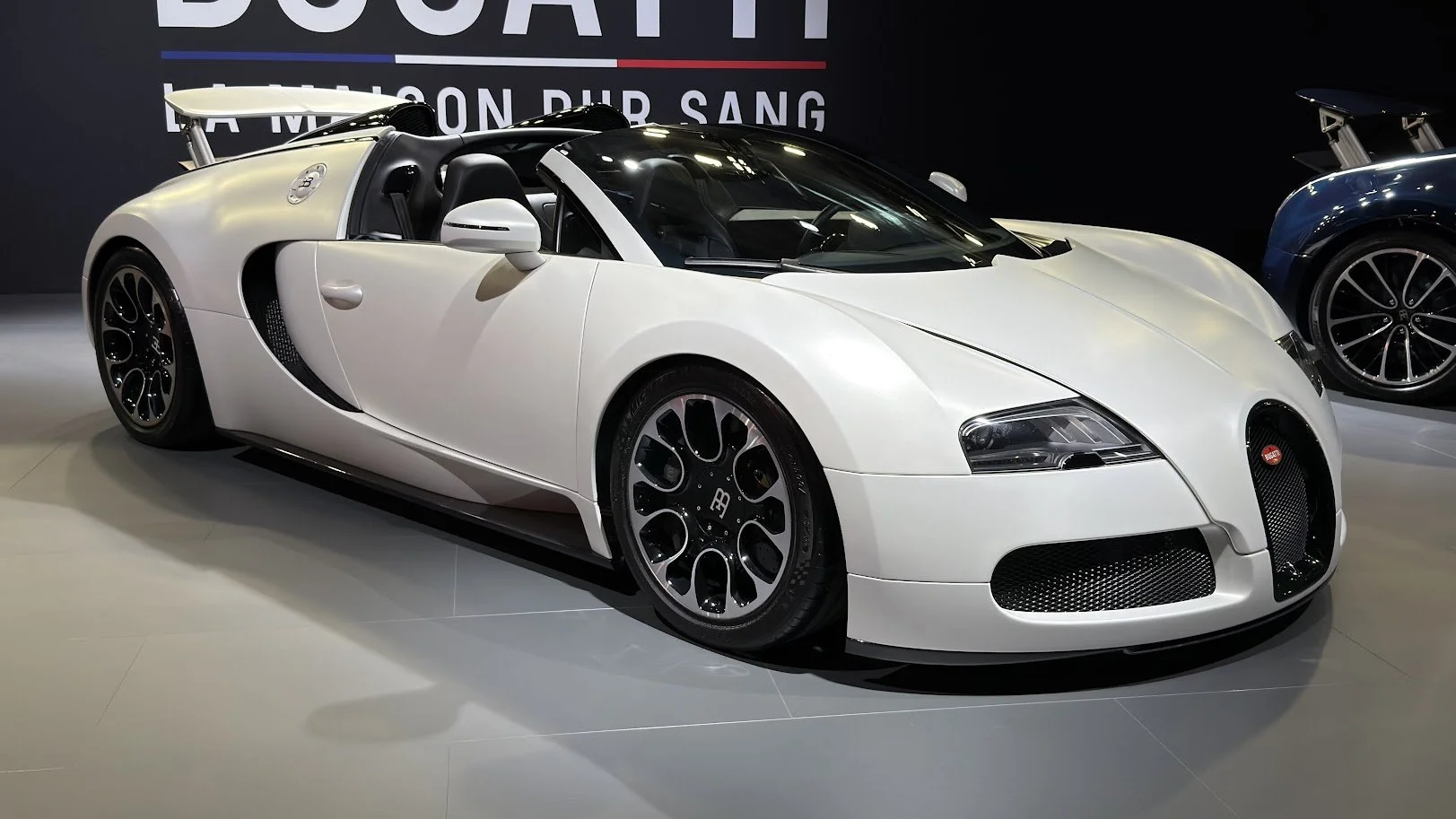
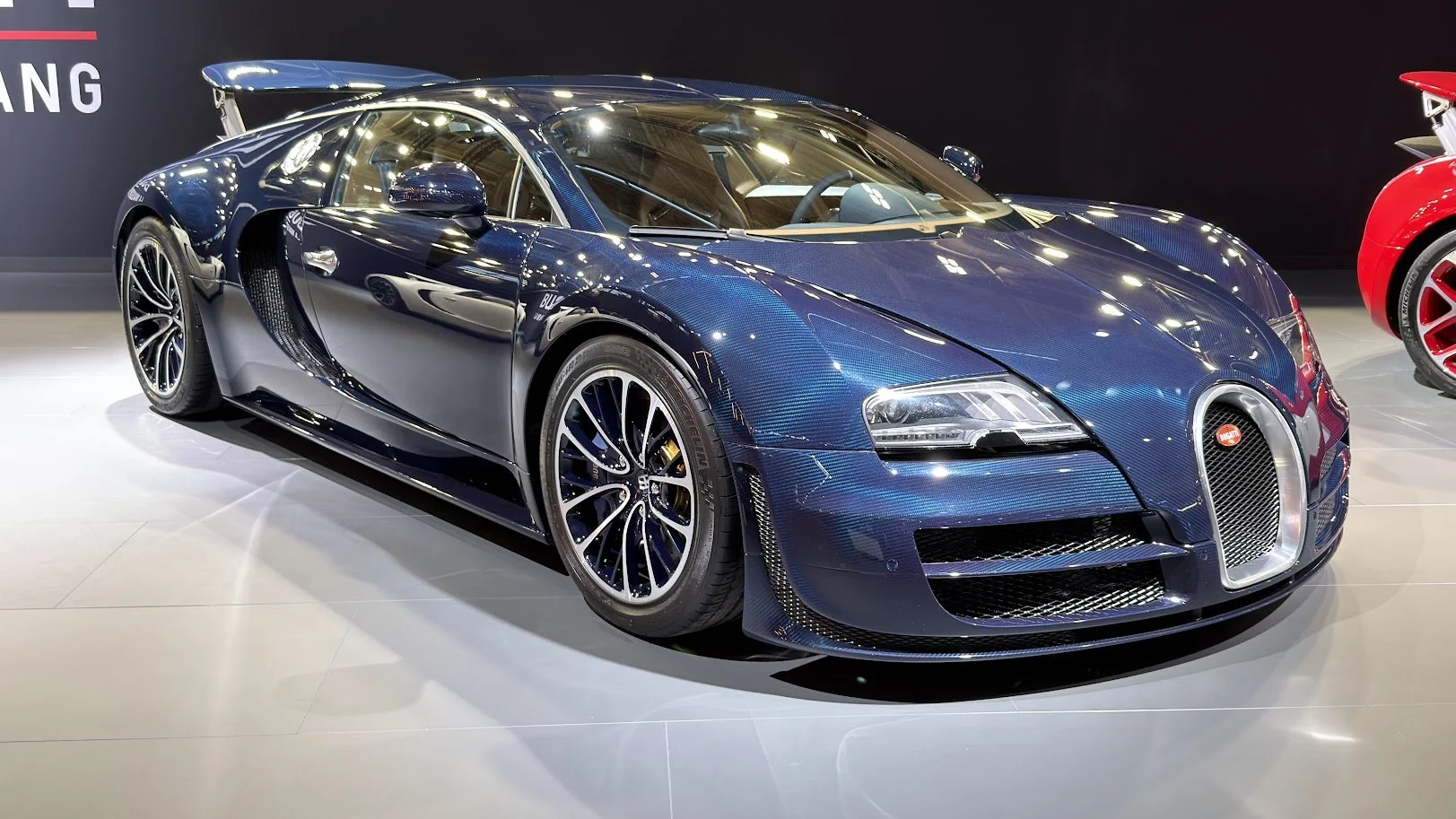
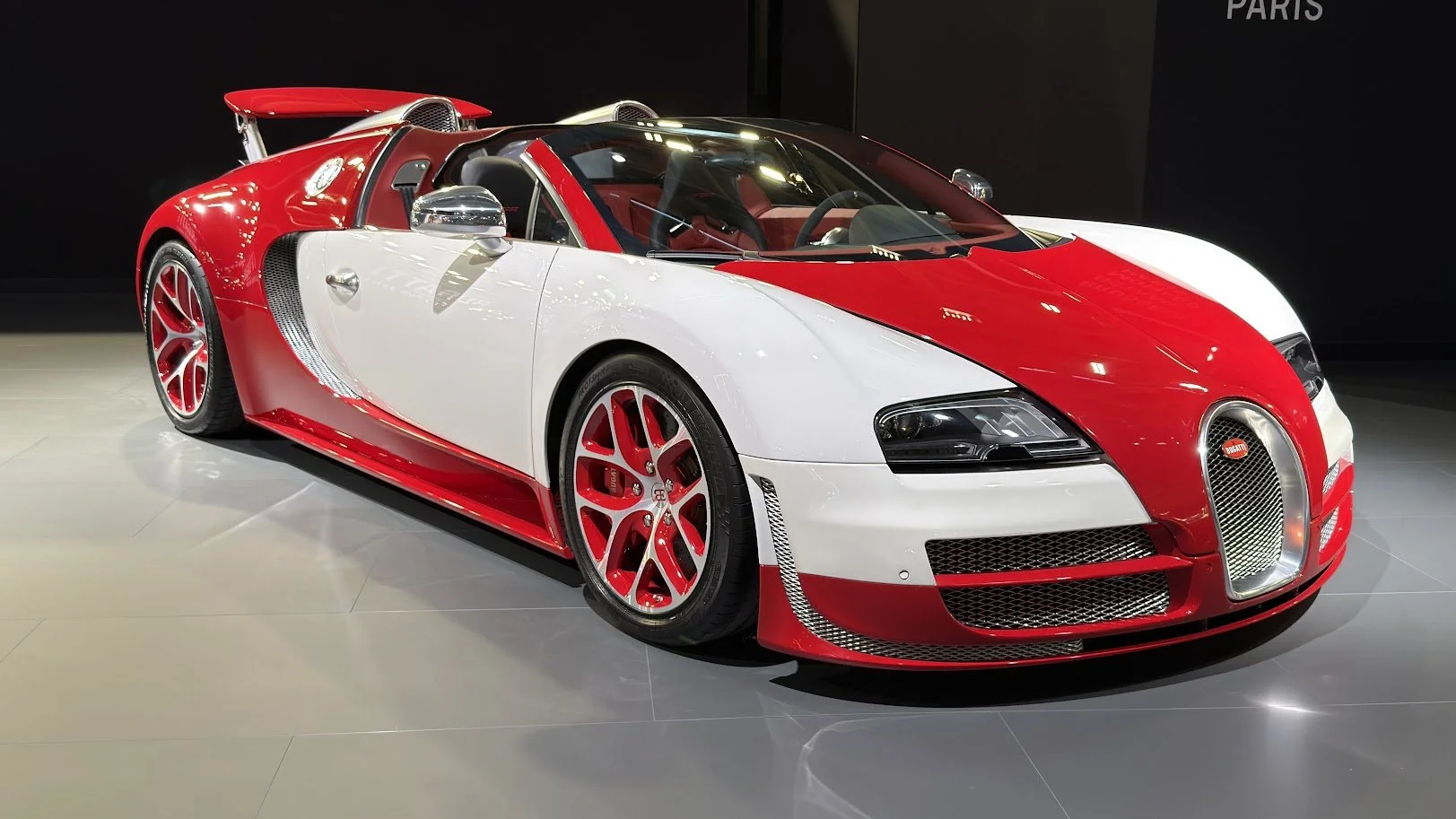
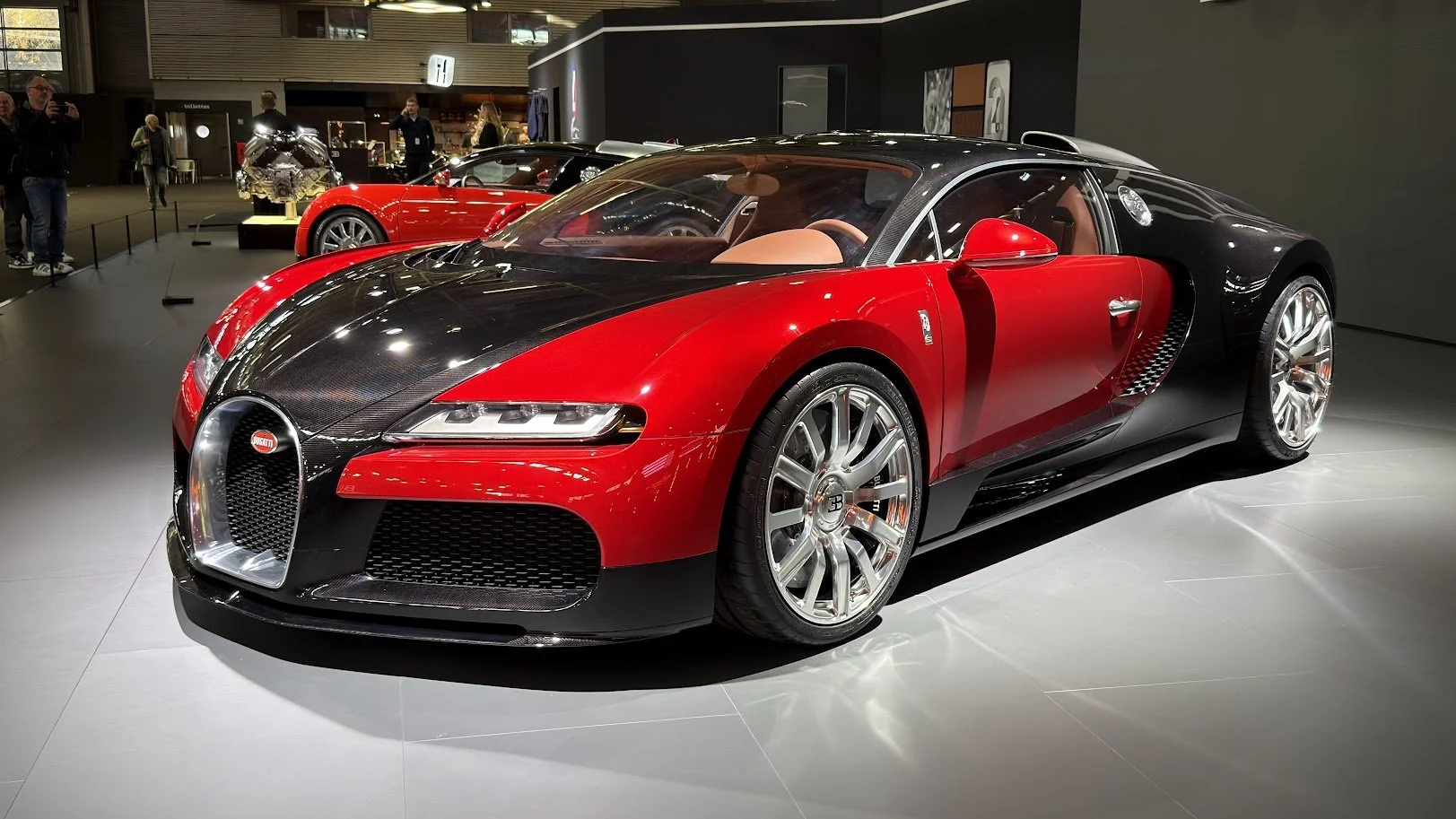
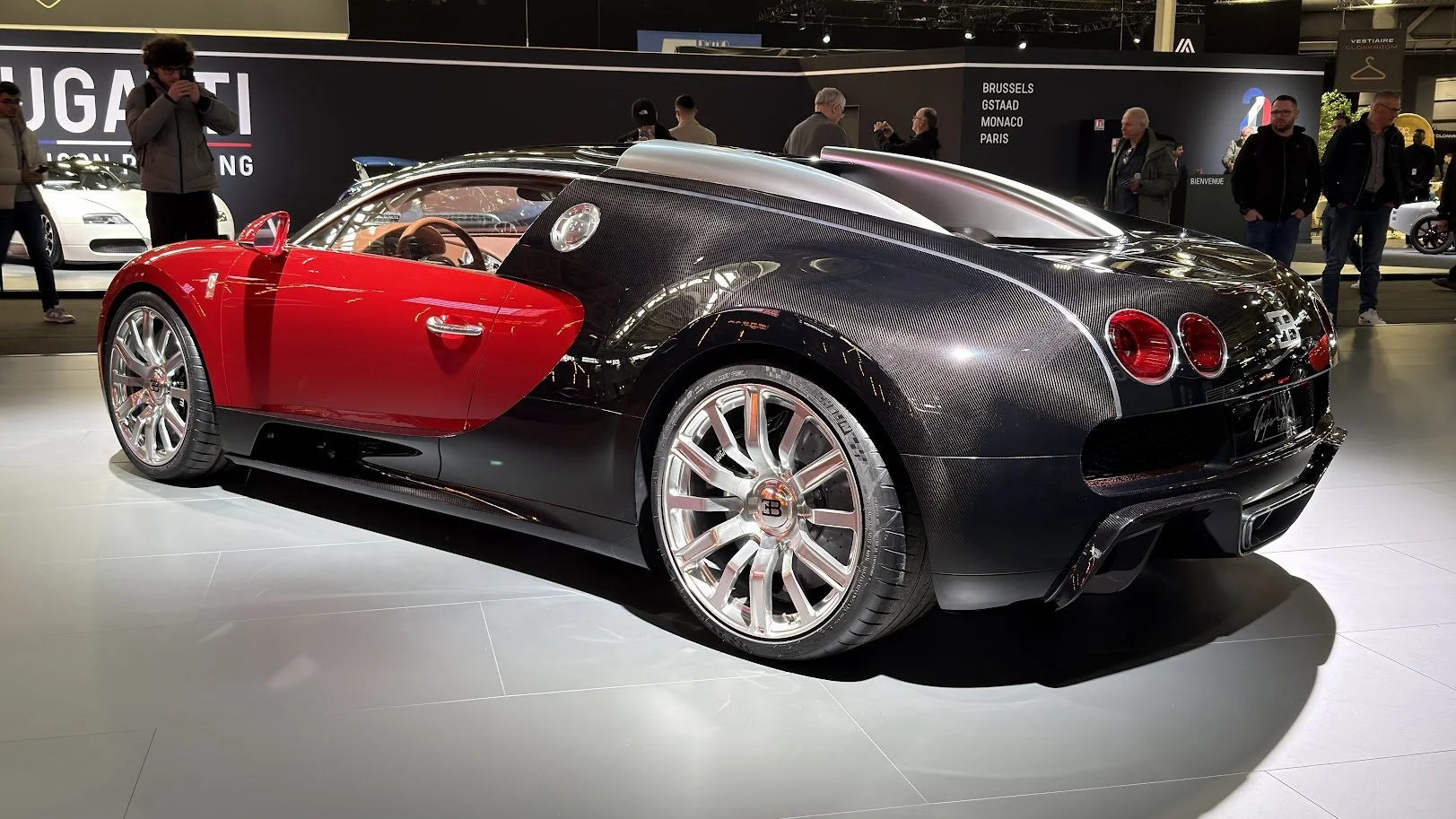
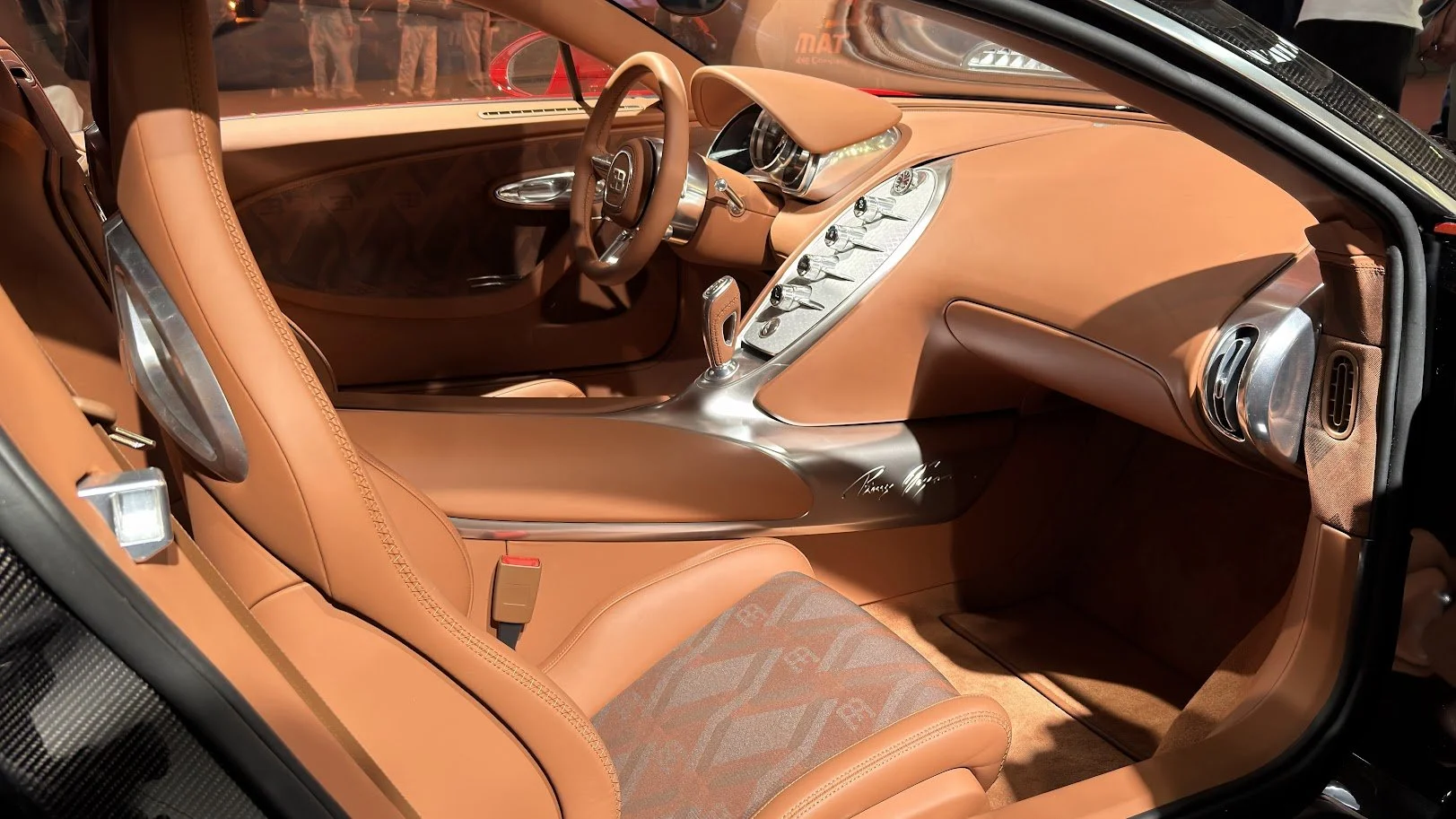
Having briefly gone over the Veyrons leaves us with the 6th and final car, which has been patiently waiting under the cover for its moment. And that moment came right before our eyes when the new Bugatti F.K.P. Hommage was revealed.
The resemblance to the previously discussed Veyrons is not accidental, the car was built to honor the person who made the Veyron possible - Prof. Dr. Ferdinand Karl Piëch. Being the grandson of Prof. Dr. Ferdinand Porsche, Piëch was one of the most influential figures in automotive history, who brought Porsche, Audi and Volkswagen the fame they have today. After acquisition of Bugatti by Volkswagen he also advocated for creating the Veyron the way we know it. The F.K.P. Hommage is a one-off, powered by the same W16 that was first introduced in the Chiron Super Sport and is in fact the final Bugatti to feature a W16 engine architecture, at least for now.
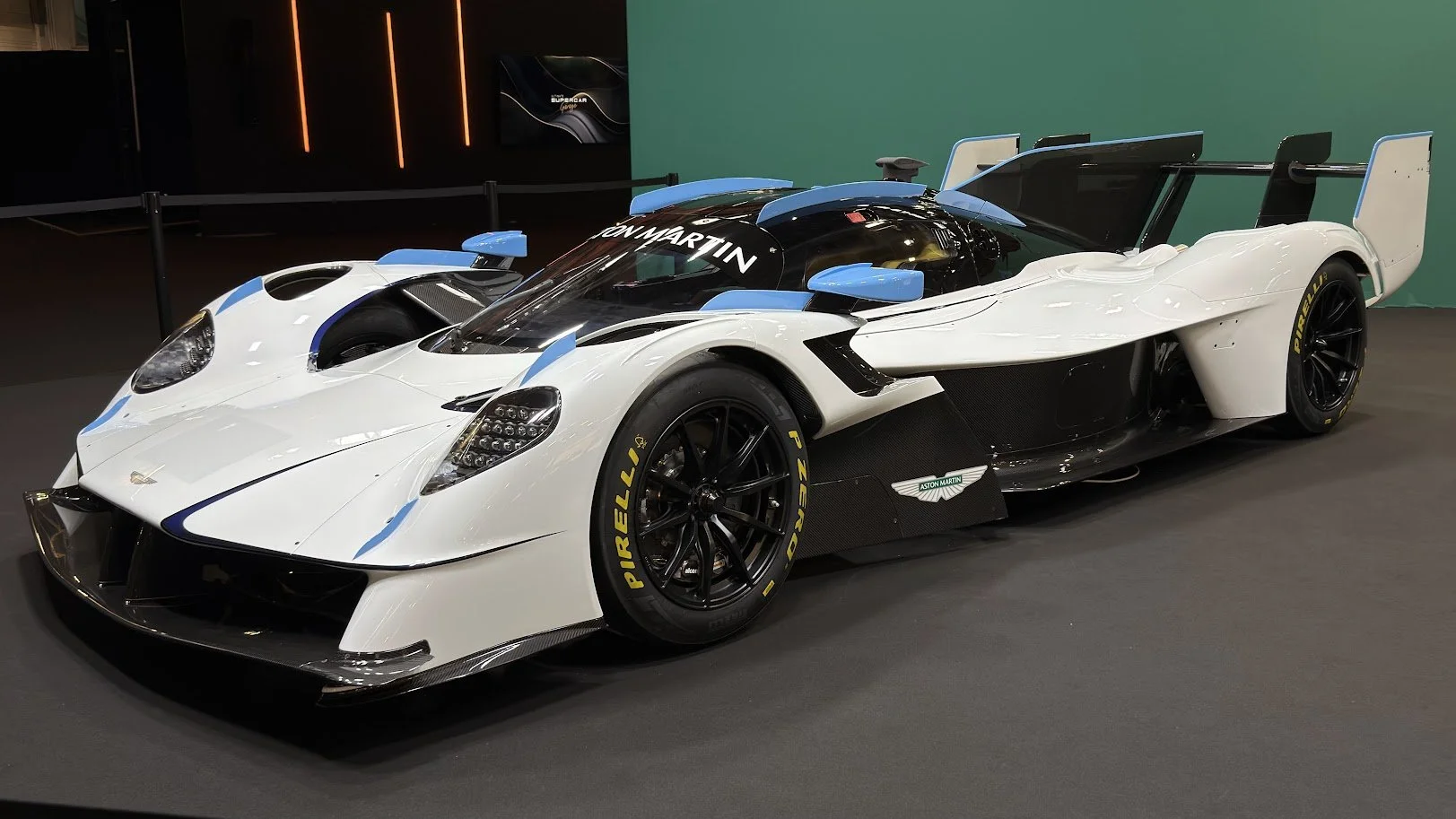
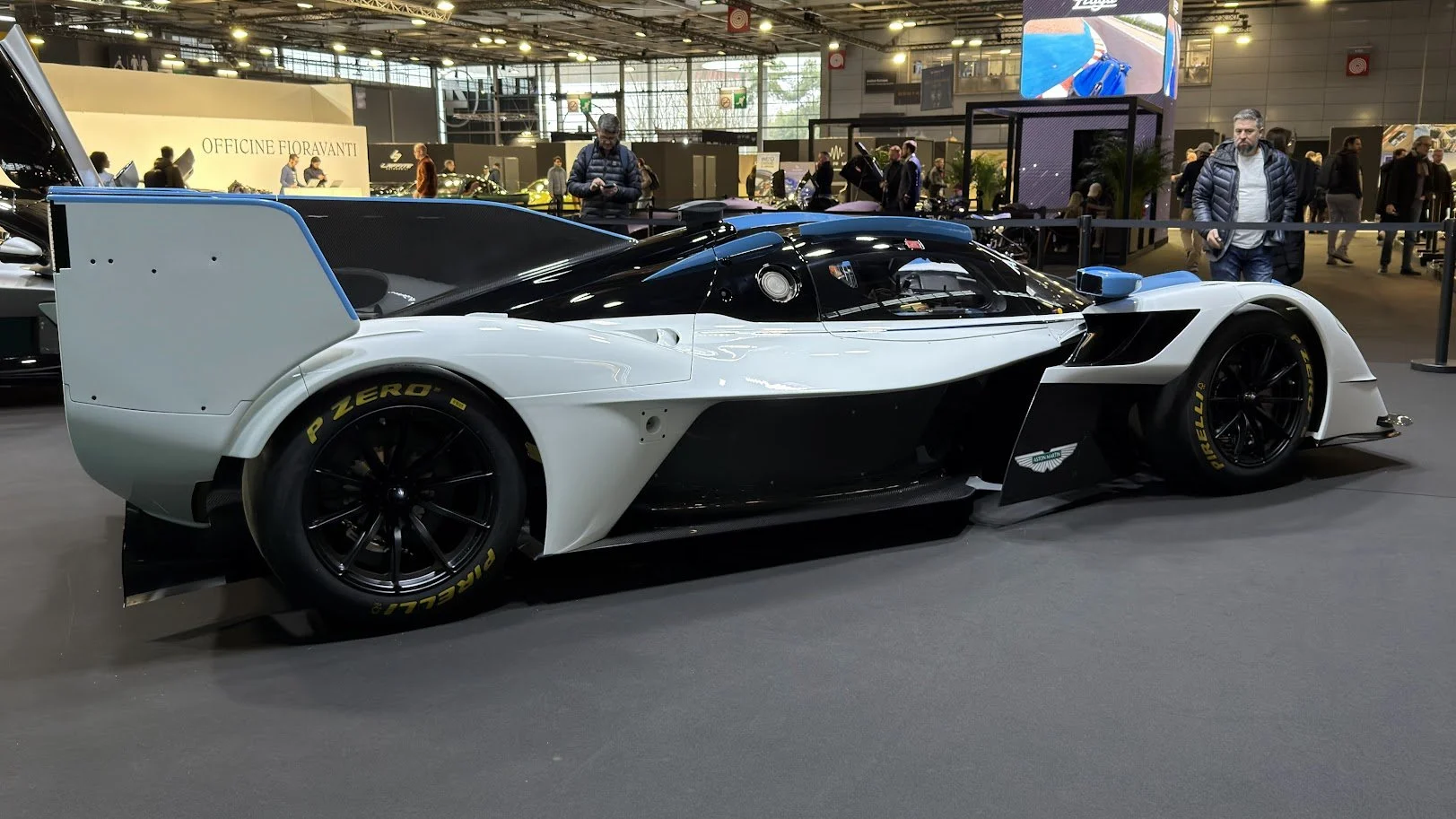
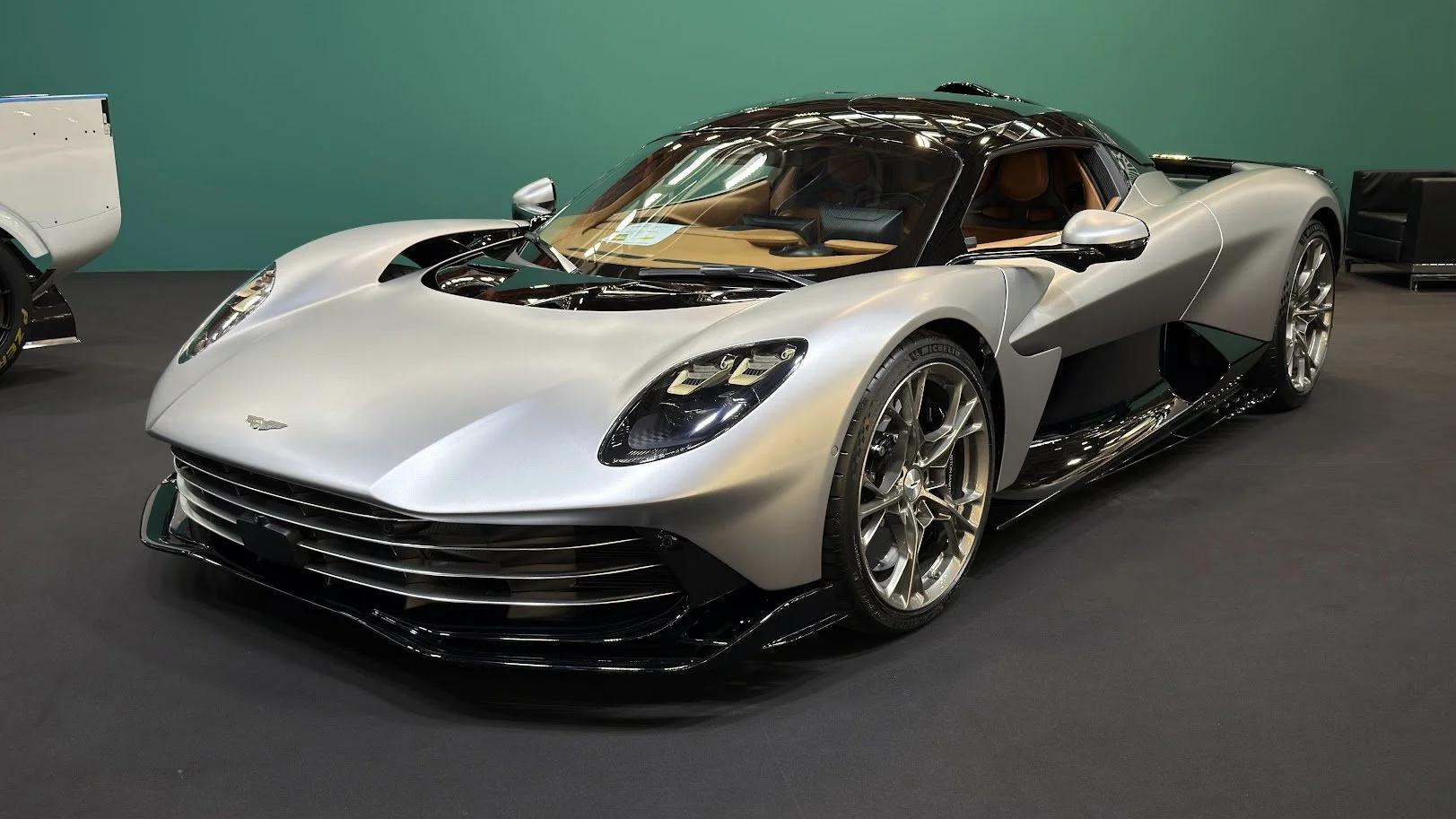
If that wasn’t enough news for you, the Aston Martin stand has something to show too. The leftmost car at the stand, which perhaps should have been in the center, is the first ever customer Valkyrie LM. The Valkyrie LM is a track-only unrestricted version of a competition prototype Valkyrie AMR-LMH, which, in turn, is based on the Valkyrie road car. What’s notable regarding the competition car is that it’s the only car in its class without a hybrid system and the only one powered by a V12. Efficiency of this powertrain in comparison to its rivals’ can be debated, but it may have been the right choice given the possible changes in regulations. LM owners, however, don’t have to worry about that and can enjoy an even more powerful version of this engine tuned to 697 BHP. The production is limited to 10 vehicles and Aston Martin promises to deliver detailed racing coaching and support for all owners.
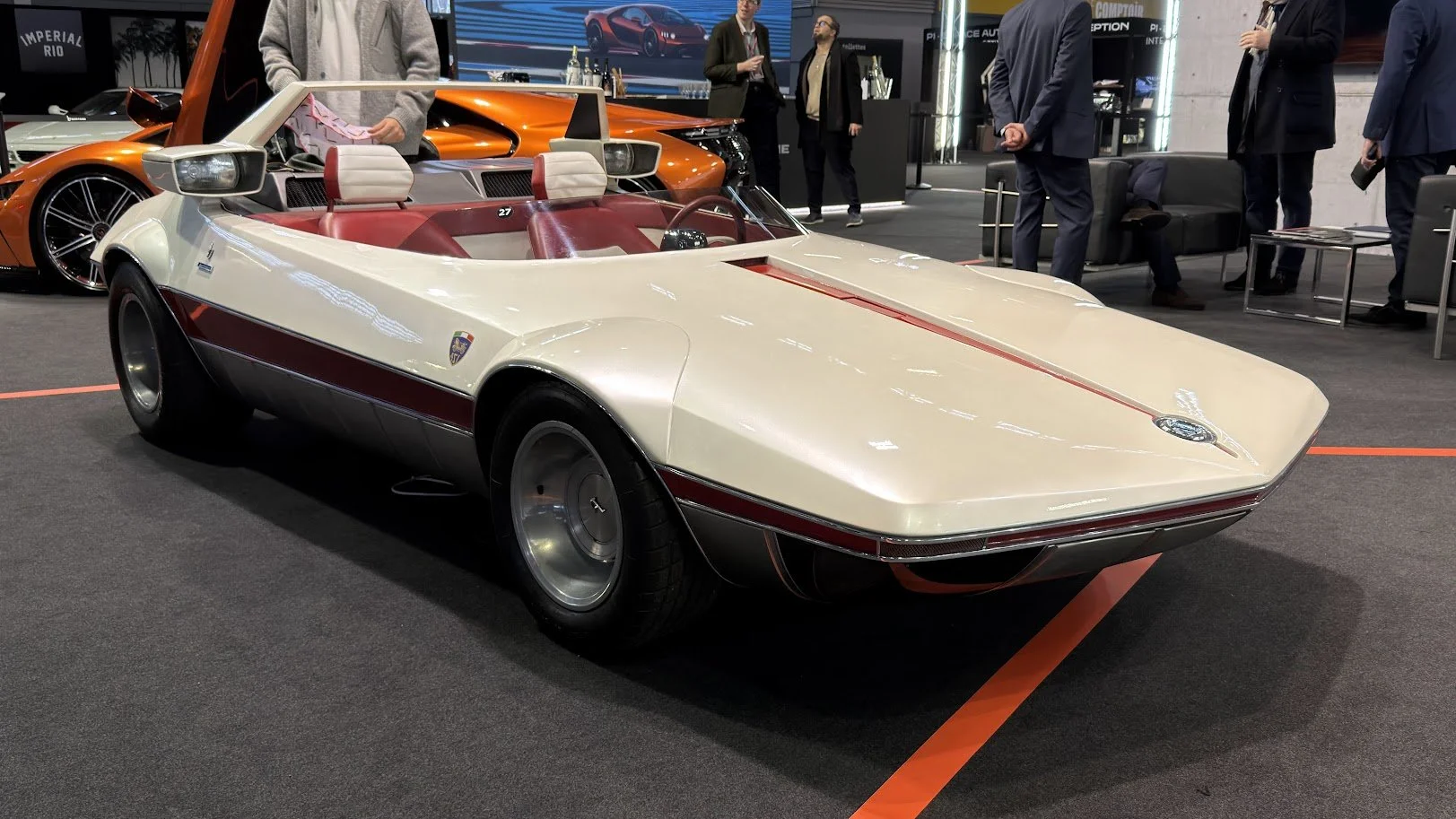
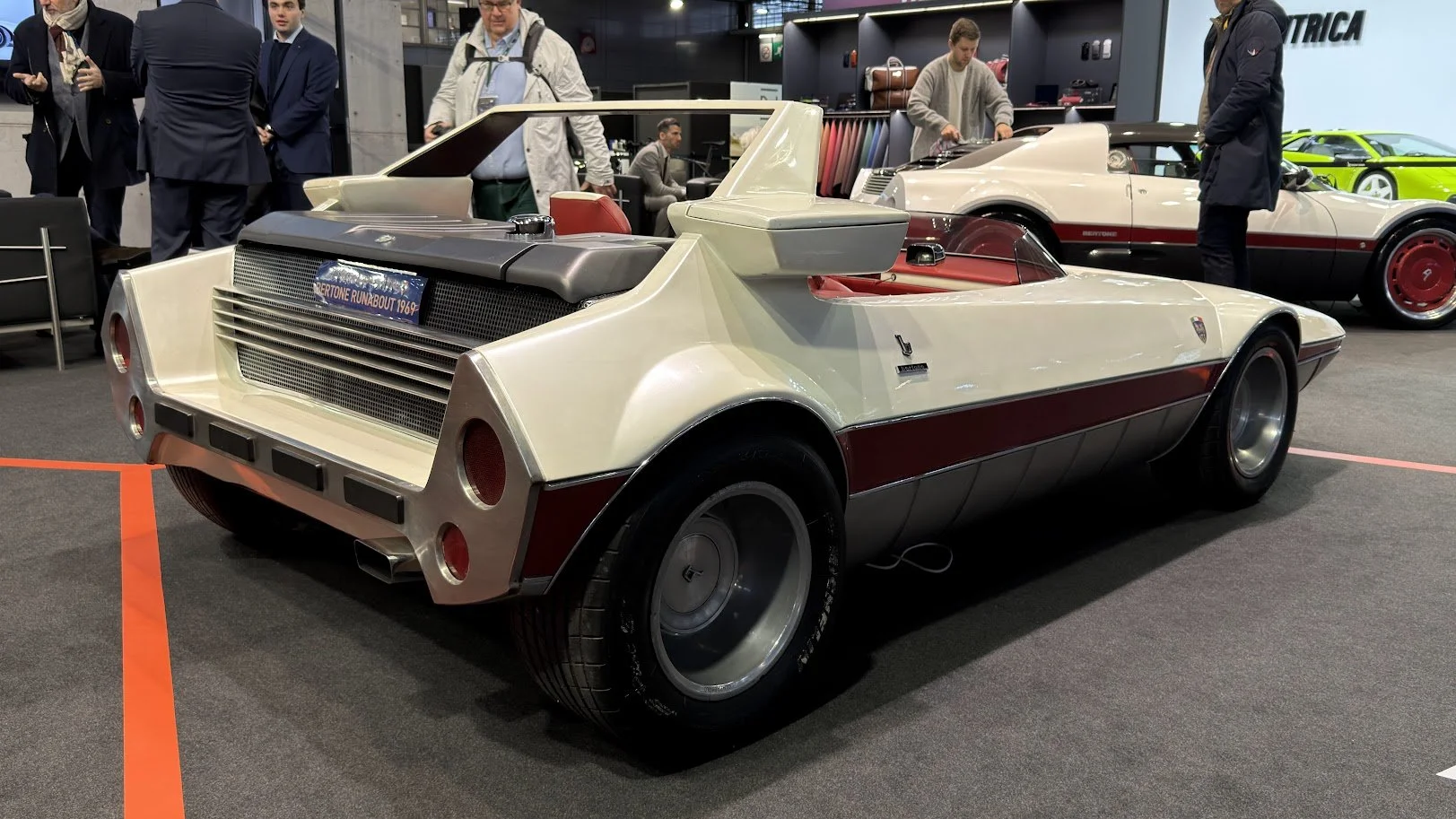
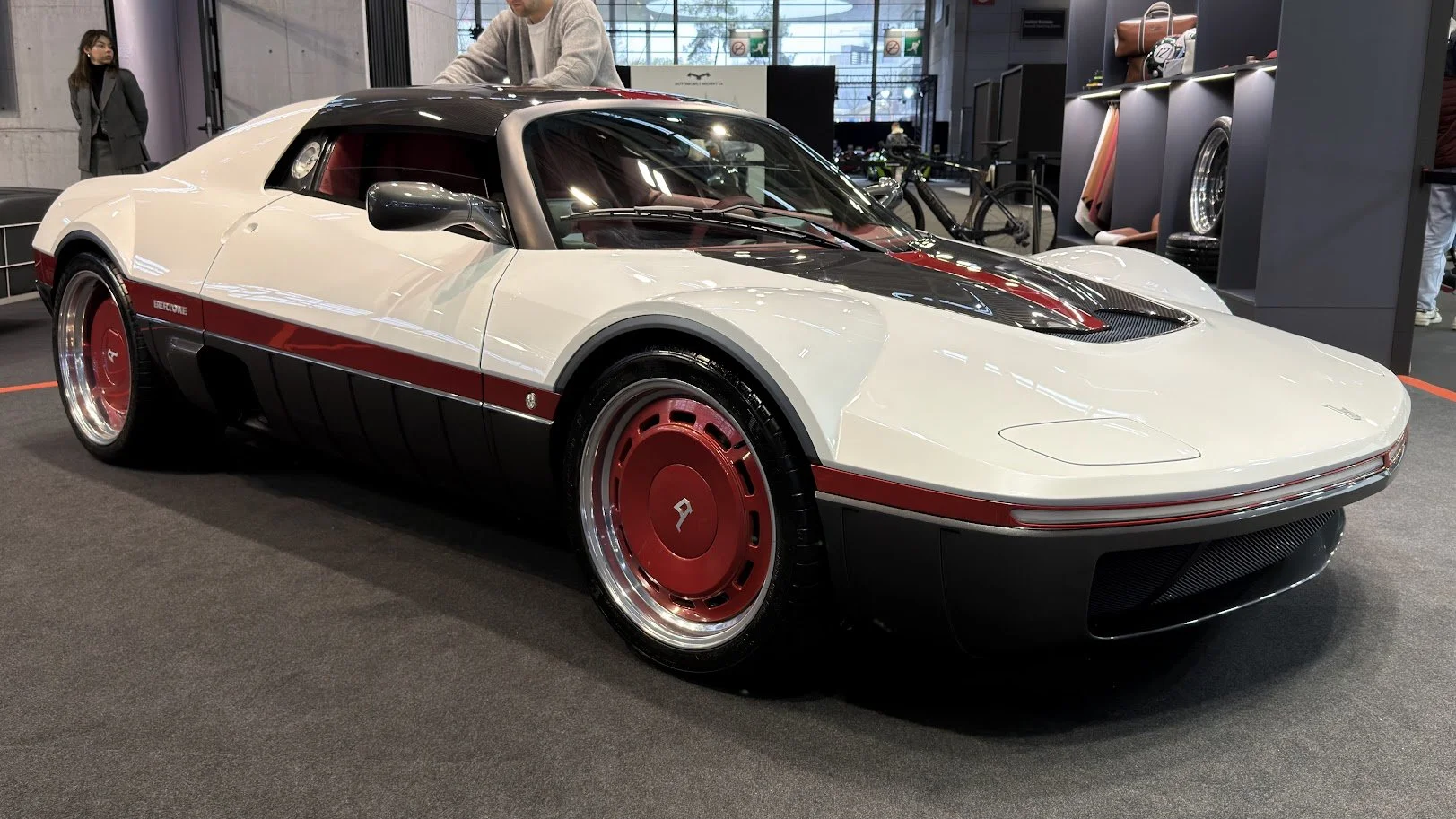
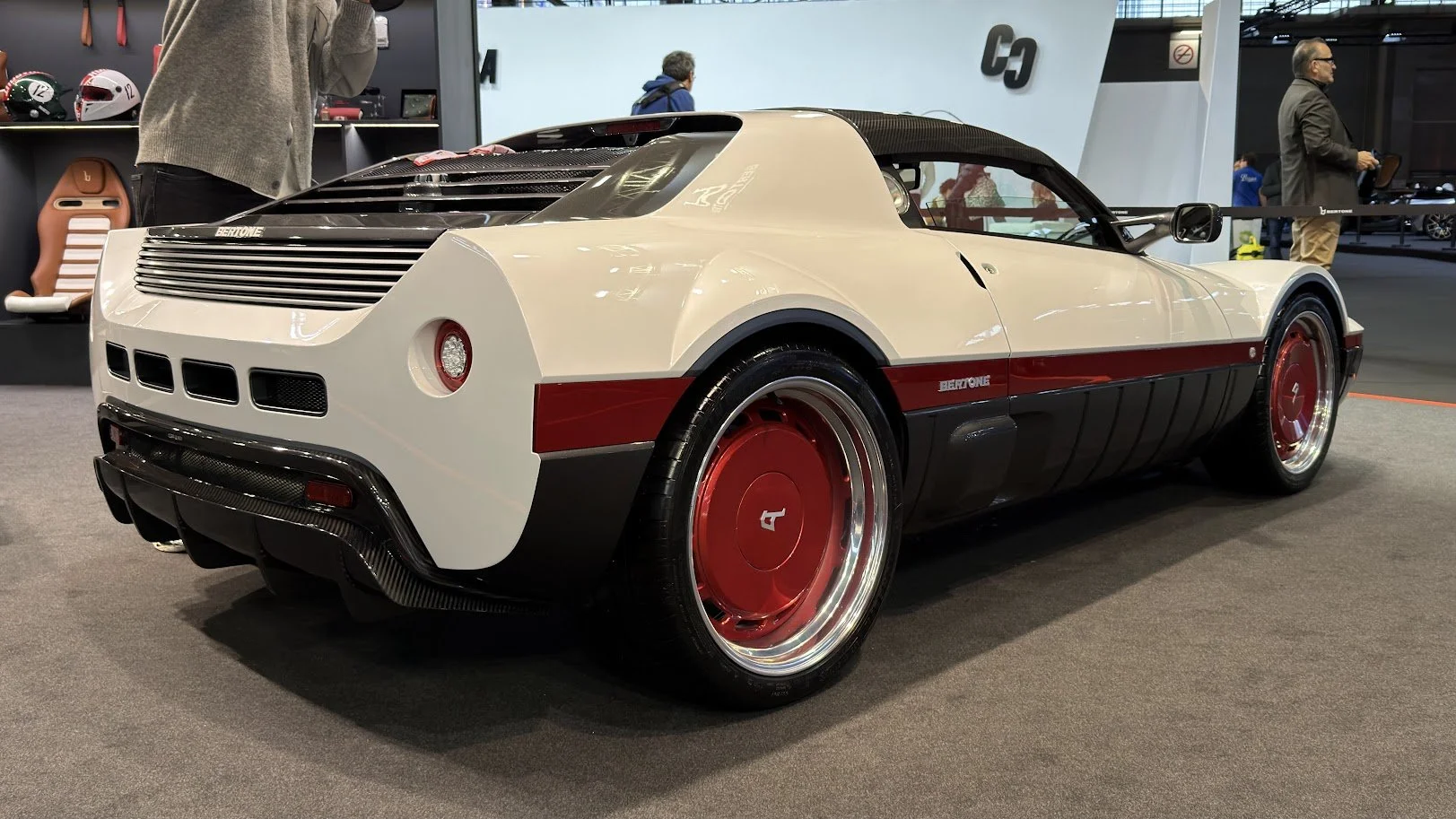
Here is an interesting one. Among Marcello Gandini’s greatest and most well-known designs is a small car with a quite lengthy history – the Fiat X1/9. If you are familiar with the car and already peeked at the photo below, you might already have a good guess where this is going. What you see here is Autobianchi A112 Runabout – a concept car developed by Bertone and designed by Gandini. The design joins his signature wedge shapes with contemporary racing boats as the main source of inspiration. Since 1969 this car has attended a fair number of events and promotions including the one for the car we see right next to it – the Bertone Runabout. As you can tell by the unequivocal name and design the new Bertone car is a modern take on the A112 Runabout. For 390,000 € you can purchase one of only 25 units to be produced, either in barchetta or targa variant. Arguably not a high number for a somewhat exclusive piece of not only Bertone history, but also the history of Italian auto design. Powered by a 475 horsepower Toyota V6 with a 6-speed manual transmission and weighing around 1100 kilograms, this car also provides adequate performance numbers for the price.
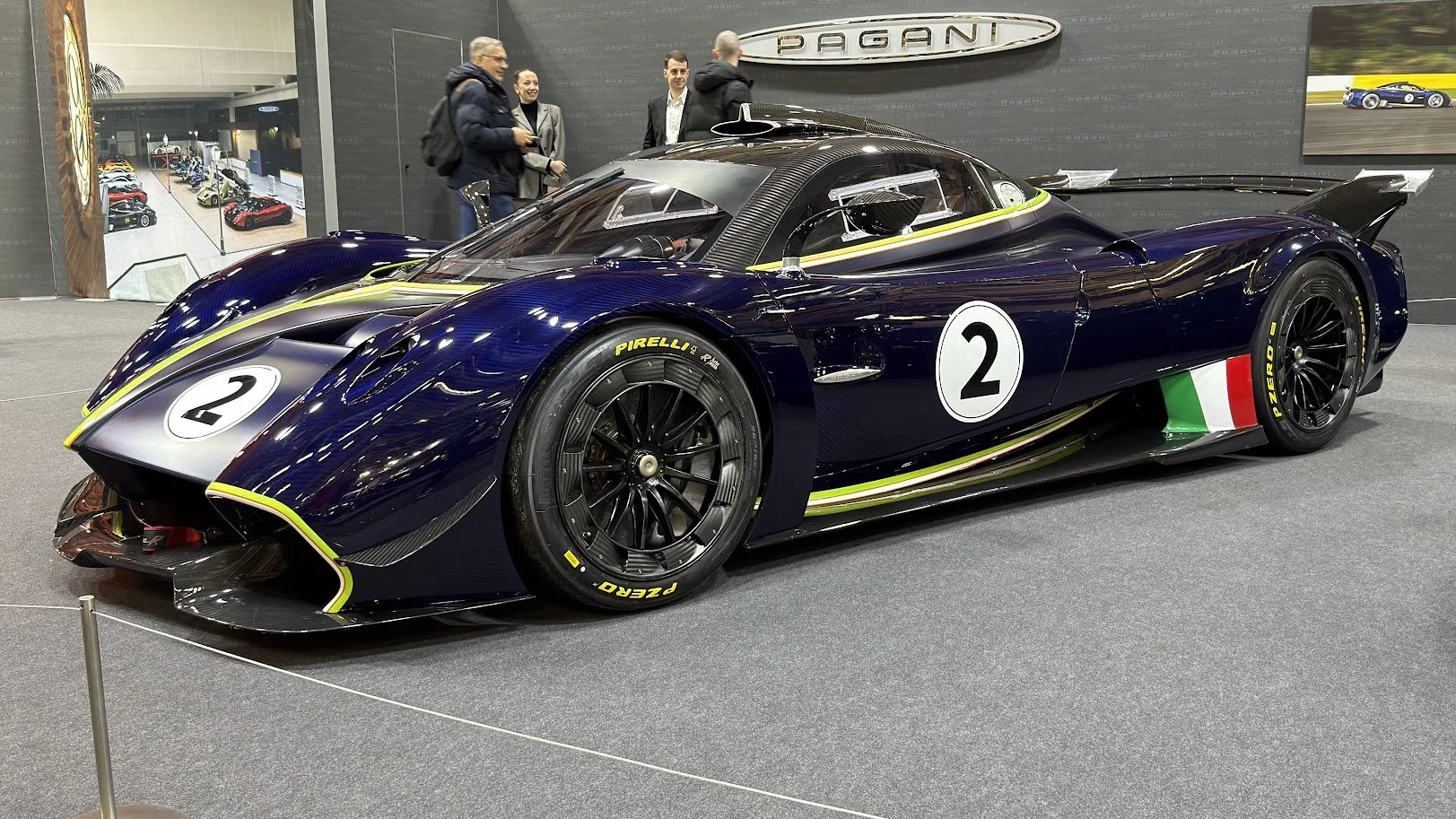
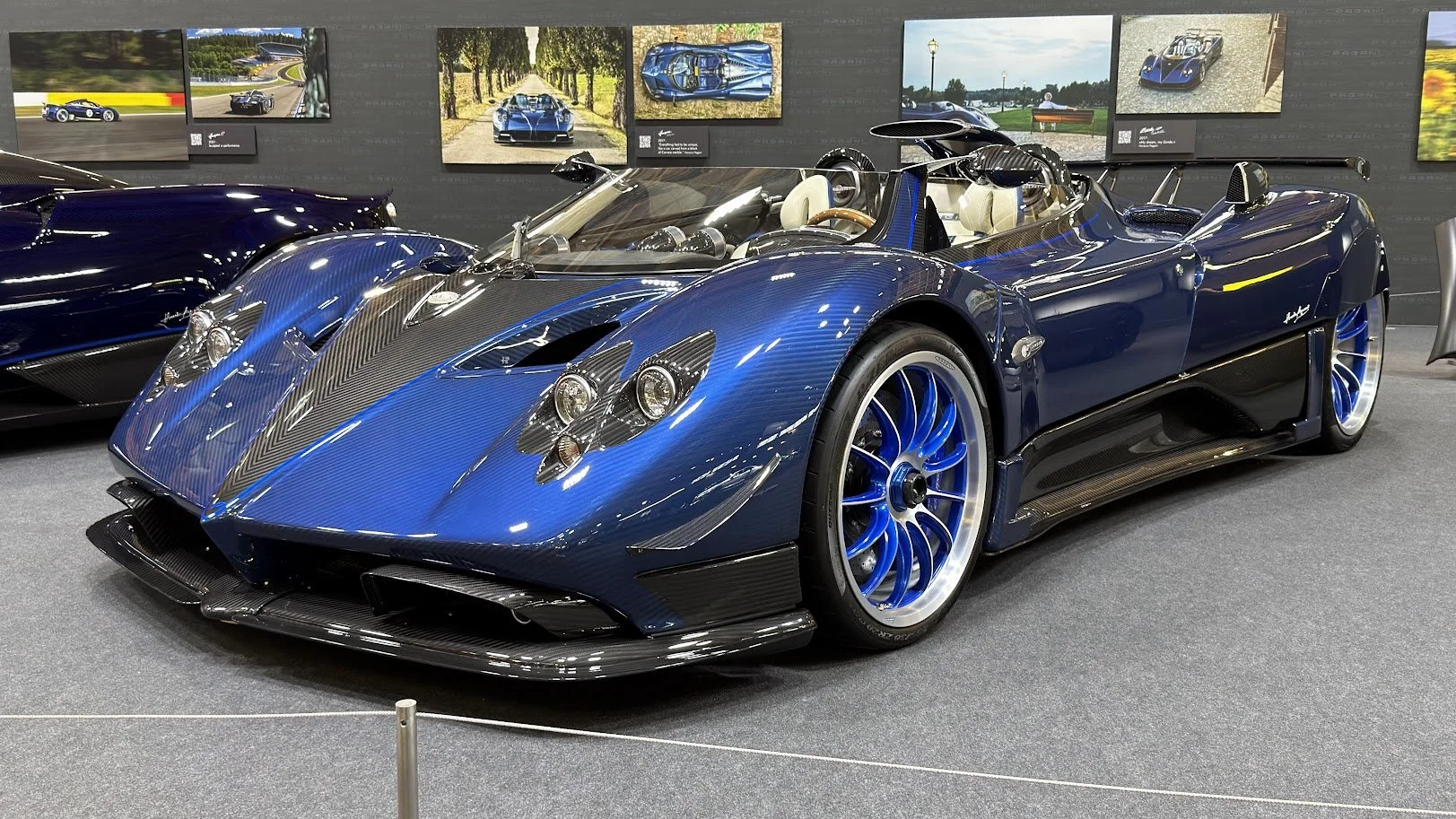
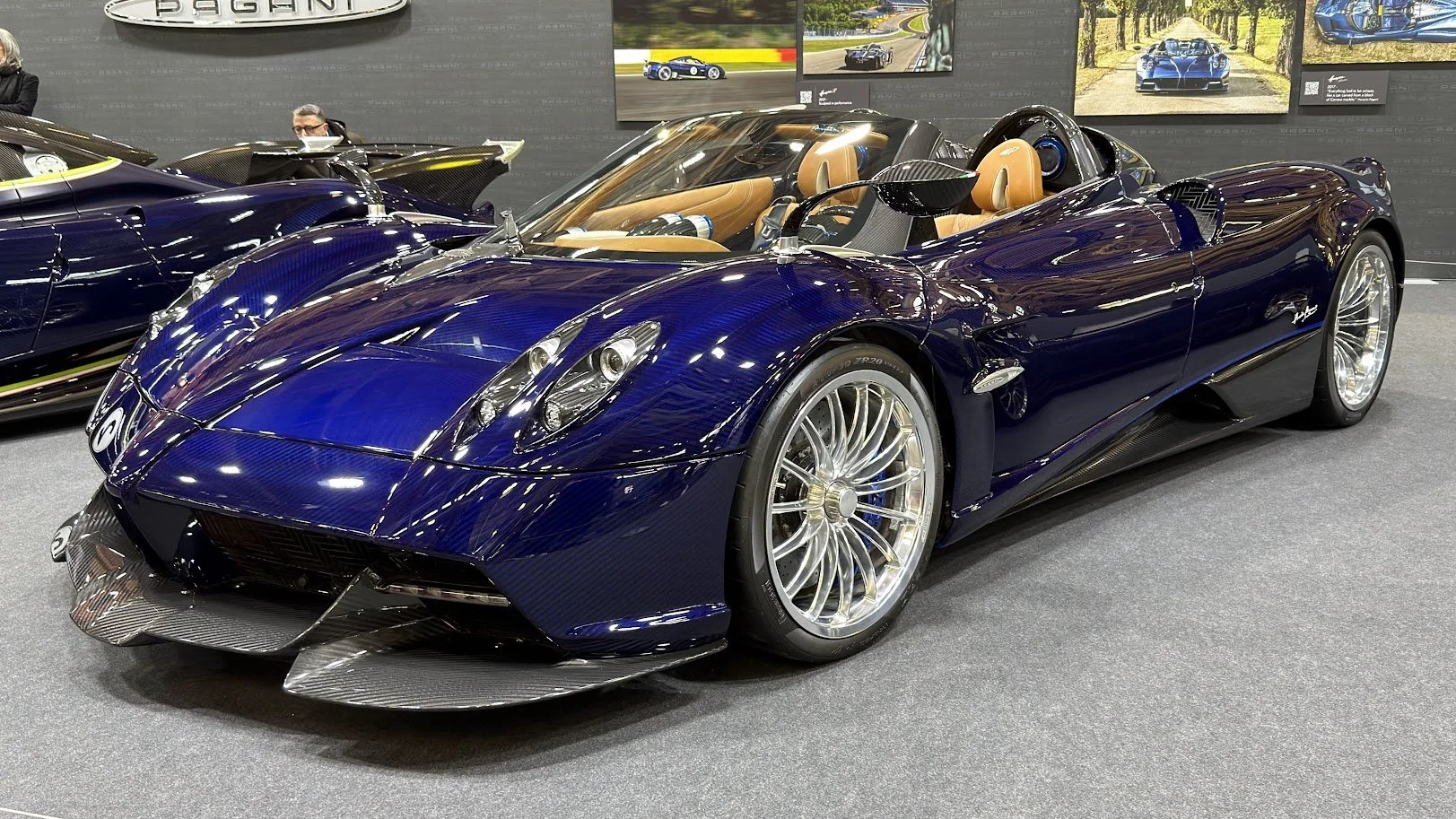
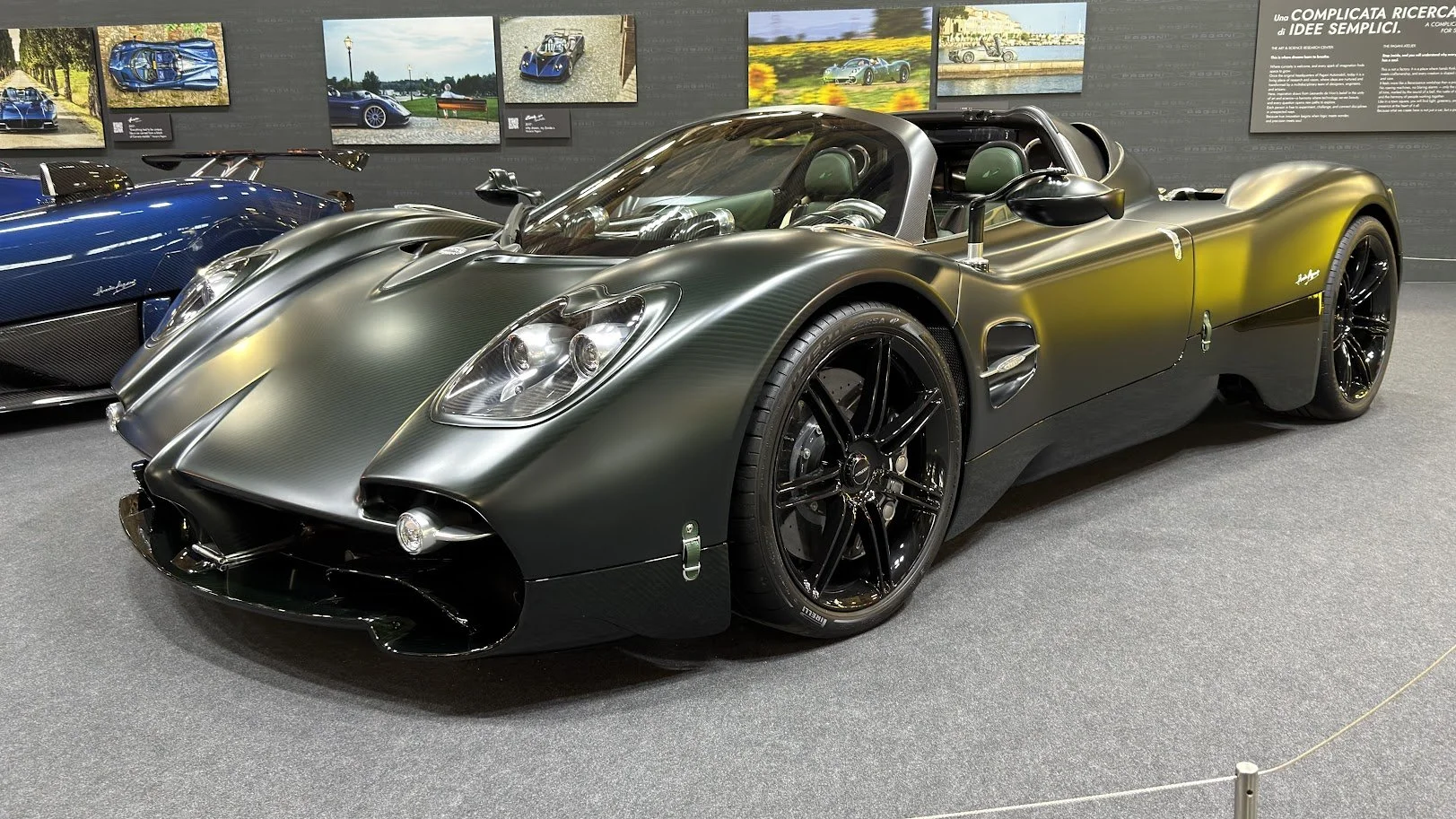
To finish on another Italian note, we will take a look at what Pagani has to show us because frankly, it’s quite impossible to ignore. The leftmost on the stand is one of the latest track-only cars – the Huayra R. A successor to the Zonda R, it was limited to just 30 units, although at least 36 ended up in customers’ hands as some of the prototypes were also sold. All of them are powered by the same AMG-built, naturally aspirated V12 producing 838 horsepower paired to a bespoke 6-speed sequential gearbox. Interestingly enough, the Evo version of Huayra R only comes with a removable roof, along with a few other changes. Speaking of roofs, there is a reason to talk more about that, or the absence of them anyway. None of the 3 cars next to the Huayra R have a roof, but that is a permanent state for only one of them. The Zonda HP Barchetta was one of the last in Zonda’s exceptionally long production run, and the car presented here is one of only three of its kind. Some interior and suspension parts were borrowed from the Huayra BC, but the rest, including the naturally aspirated engine and unique bodywork, are unquestionably Zonda. The next two cars are roadster versions of two consecutive generations – Huayra and Utopia. Displaying those two and the Zonda near one another reveals Pagani’s design language evolution in a way that makes it fairly easy to make comparisons between generations, and see how, while following some of the modern design trends, even the latest installment doesn’t reject tasteful, classic features.
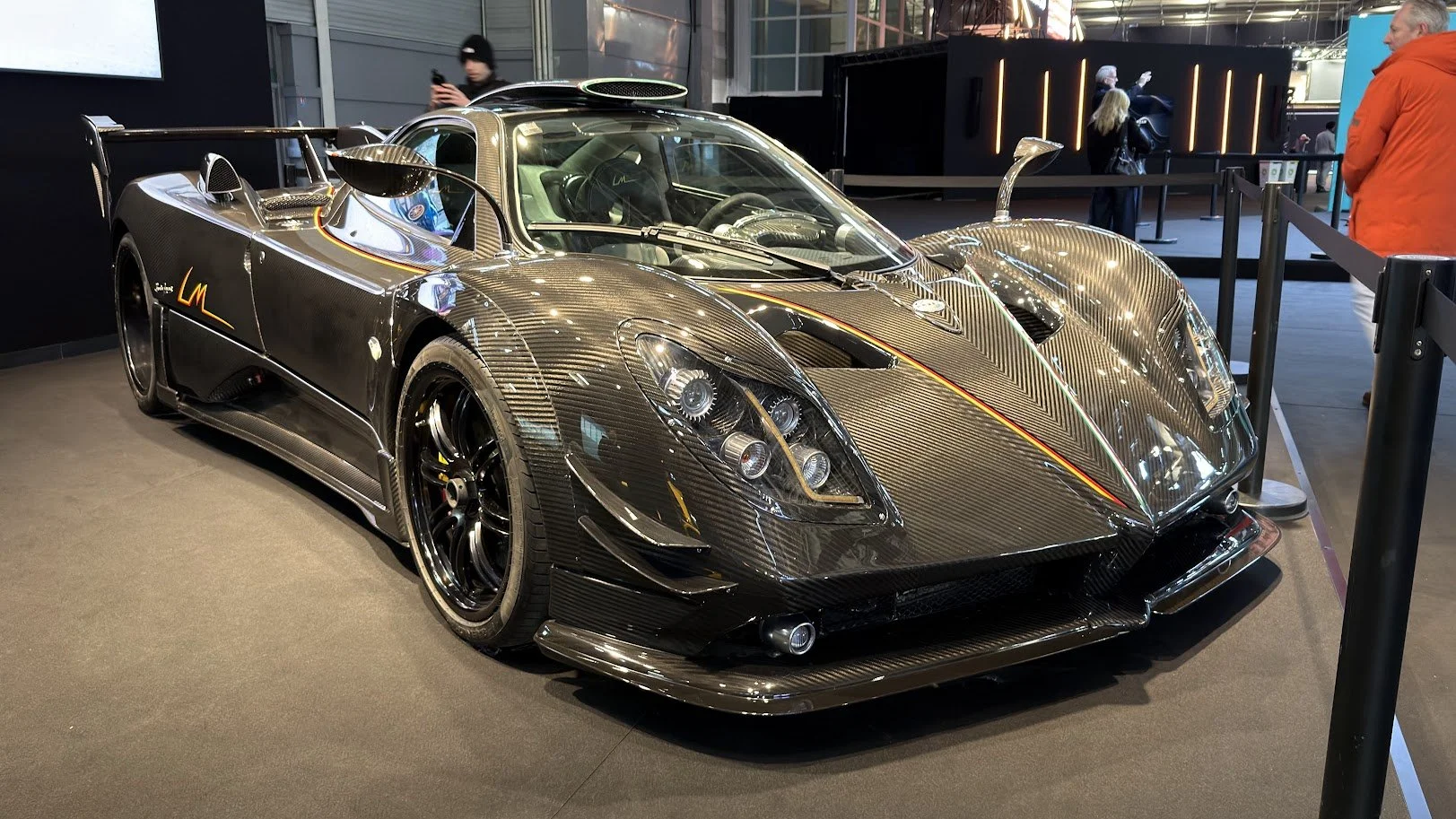
There are, however, cases where even the creator’s vision gets defied with a client’s demand and for an example of that we will need to take a look at a different stand. One such example is the Pagani Zonda LM, a project inspired by Le Mans prototypes. The most distinct feature is the unique front end with a closed headlight configuration that is only shared with its twin – the Zonda LM Roadster, commissioned by the same client. One also cannot ignore the exposed full carbon bodywork with stripes mimicking Italian and German flags, signifying Italian craftsmanship and the owner’s German roots. The powertrain is mostly similar to that of the Zonda Cinque with the same 7.3-liter V12.
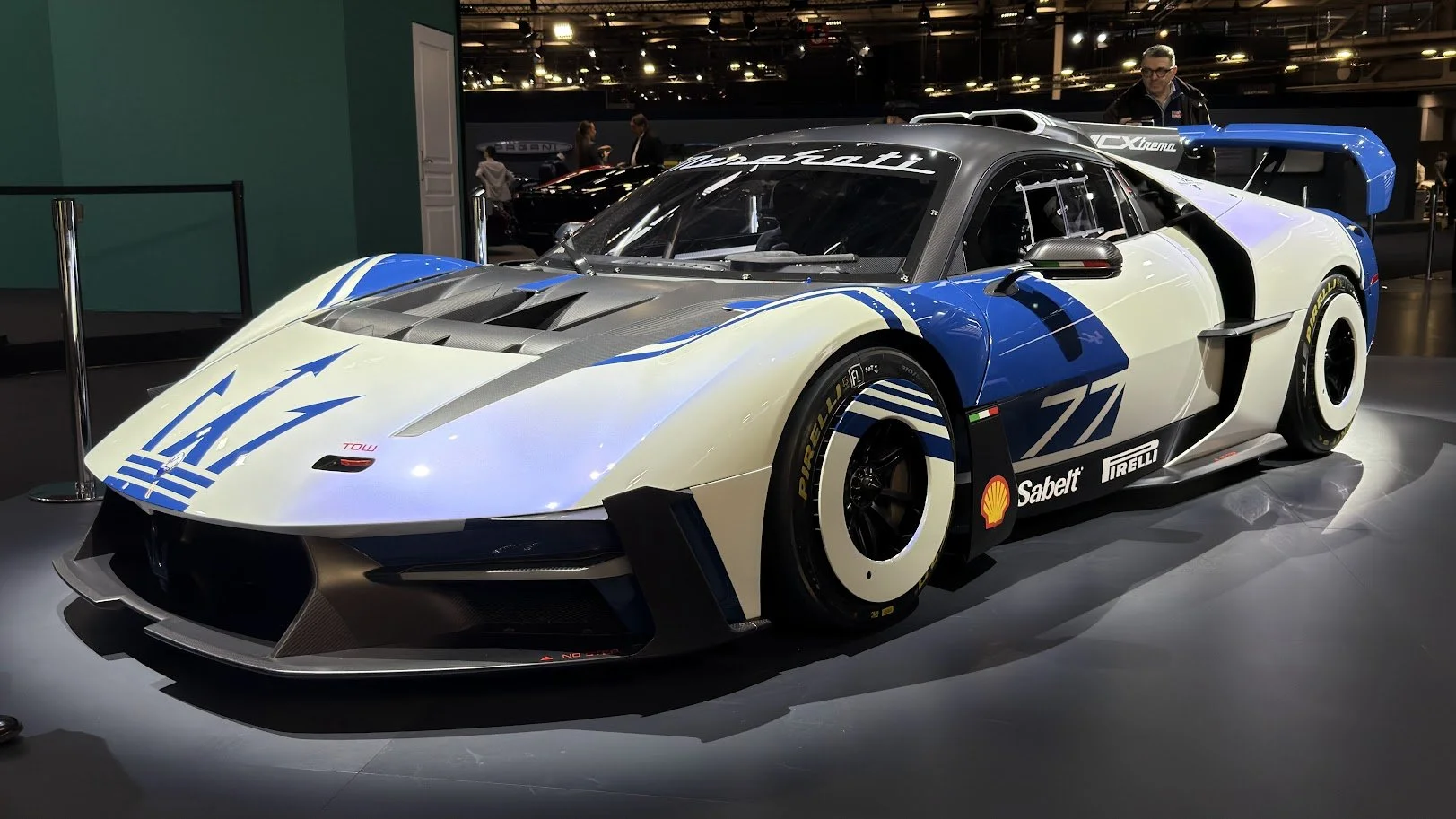
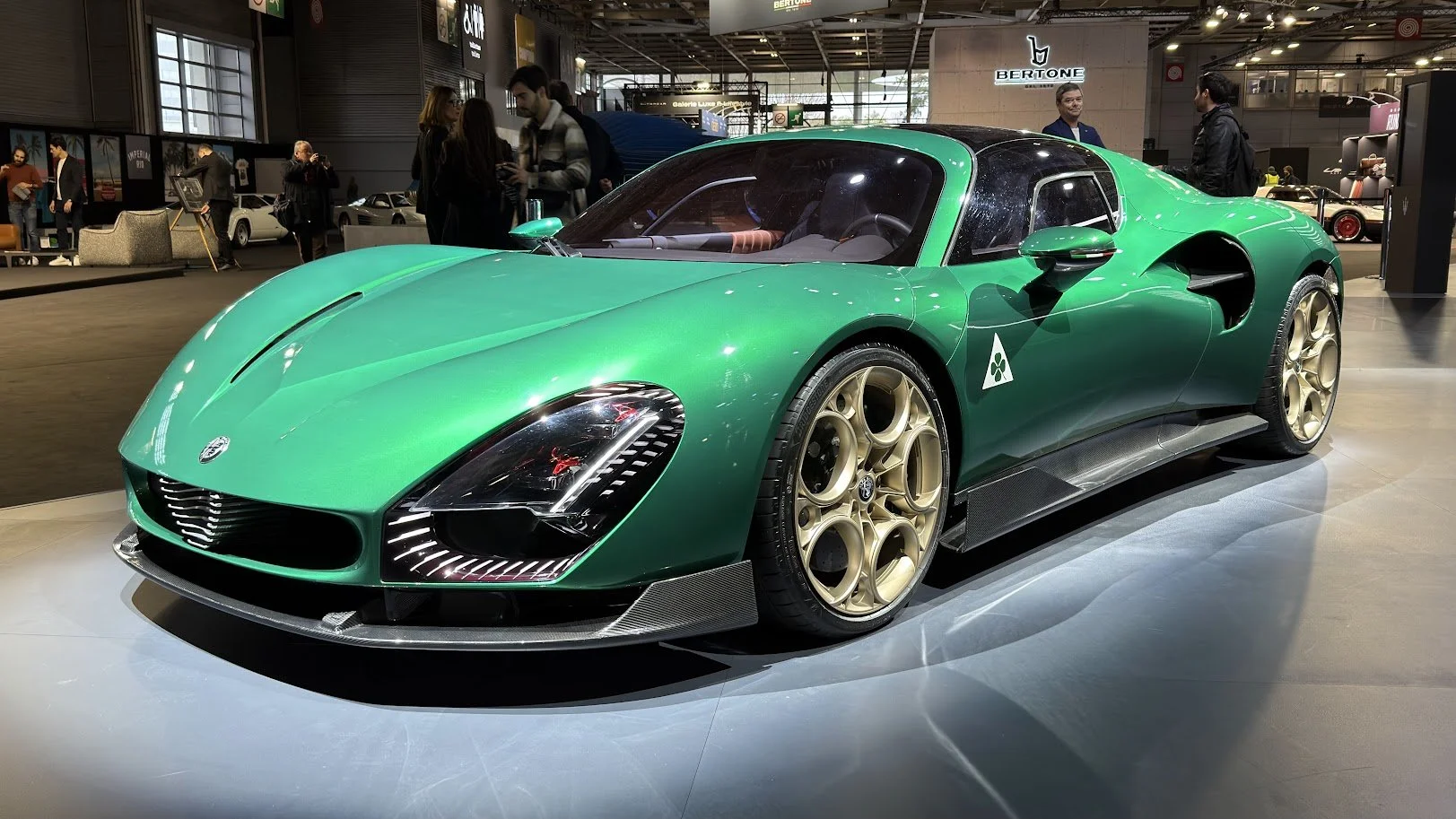
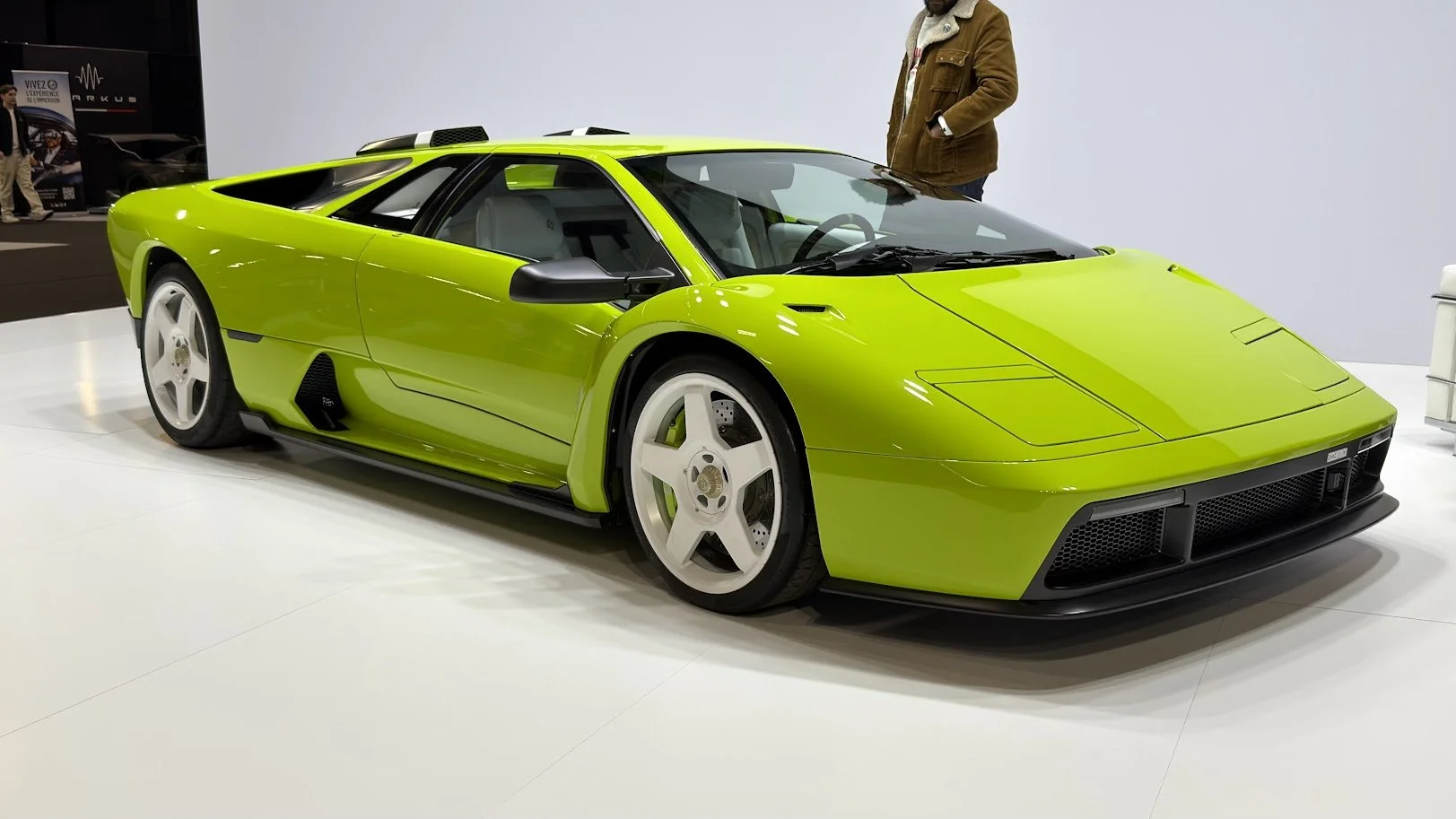
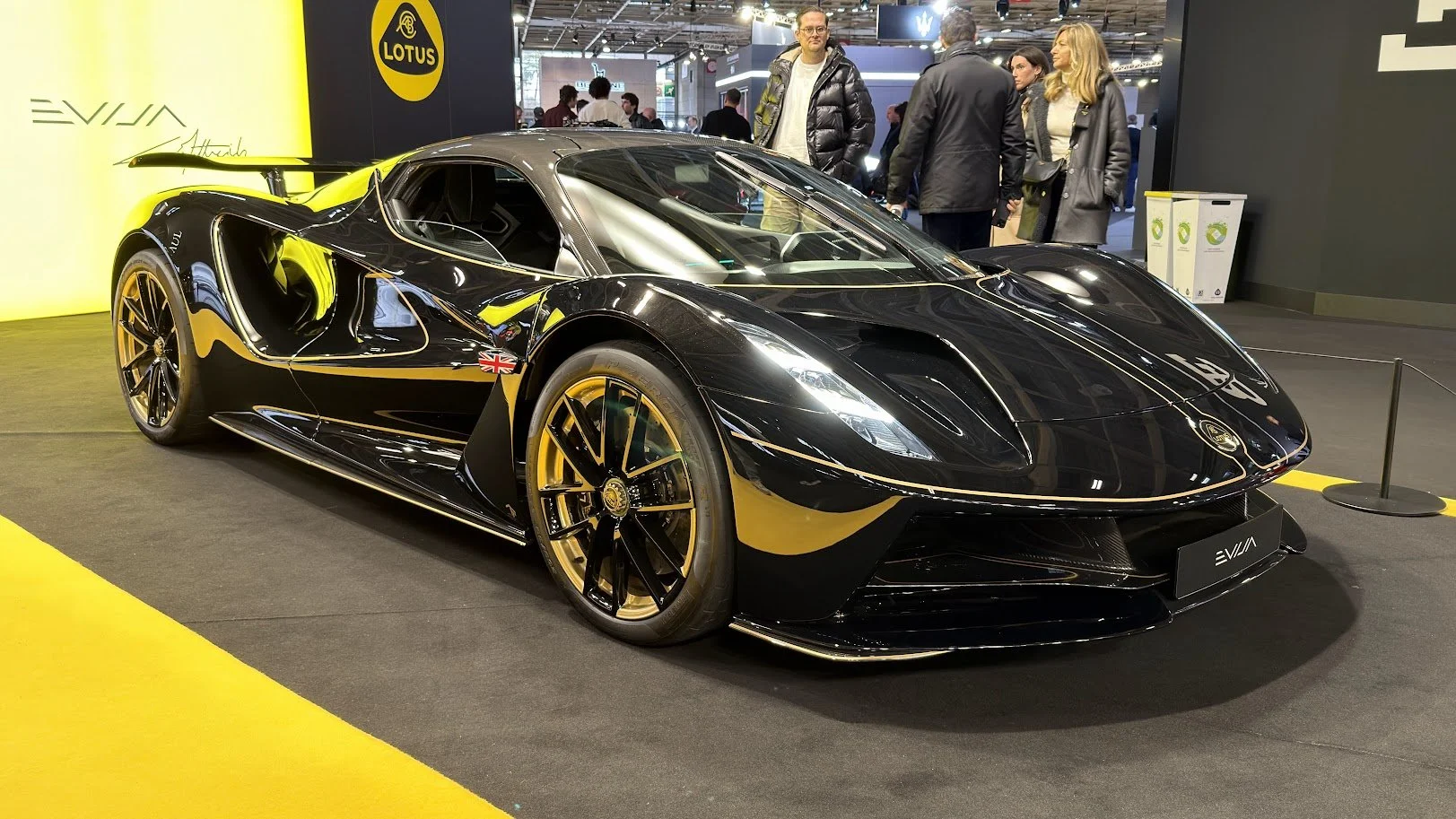
With most of the supercar greatness covered, please enjoy the photos of other notable exhibits at this inaugural edition of Ultimate Supercar Garage.
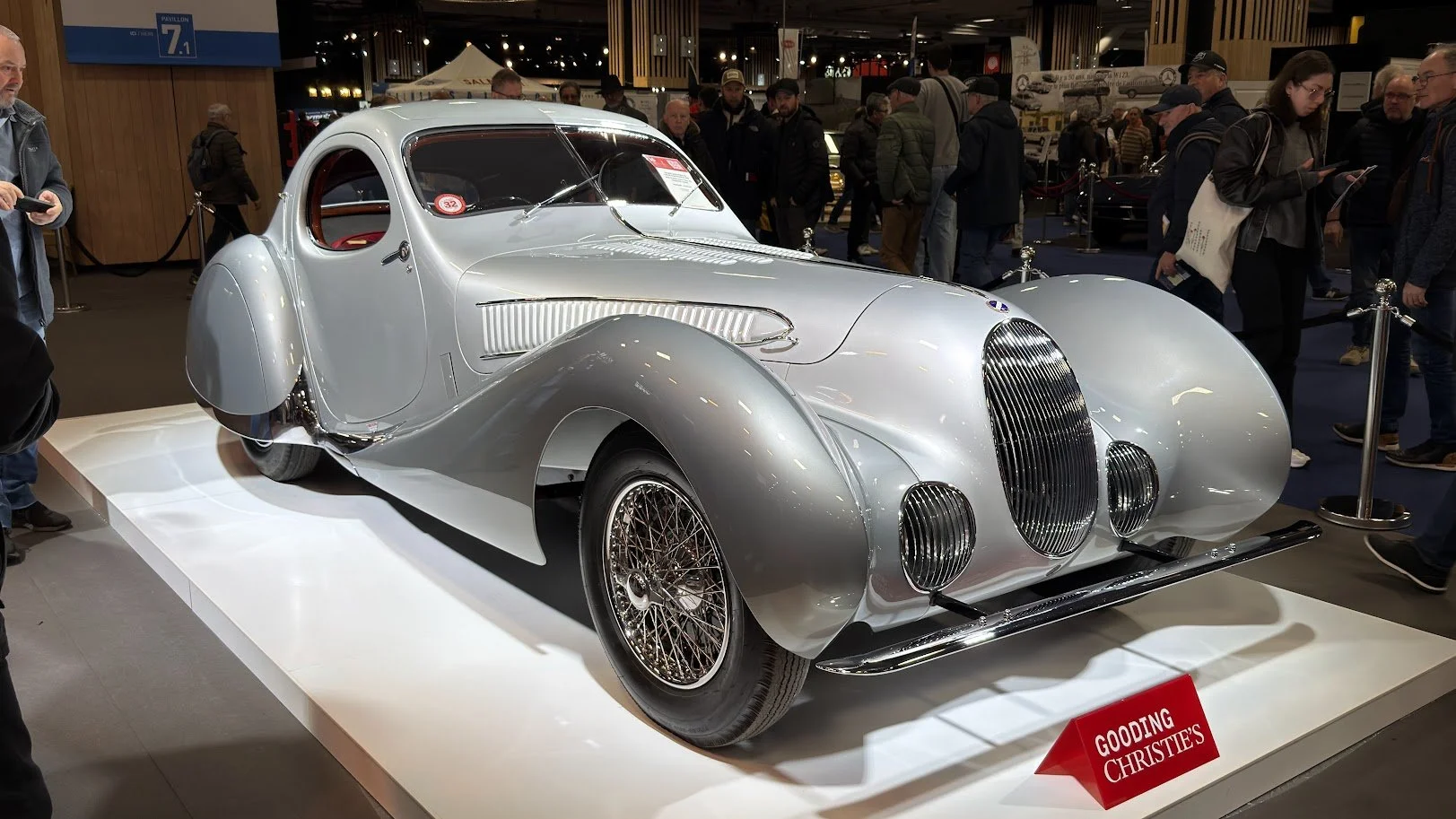
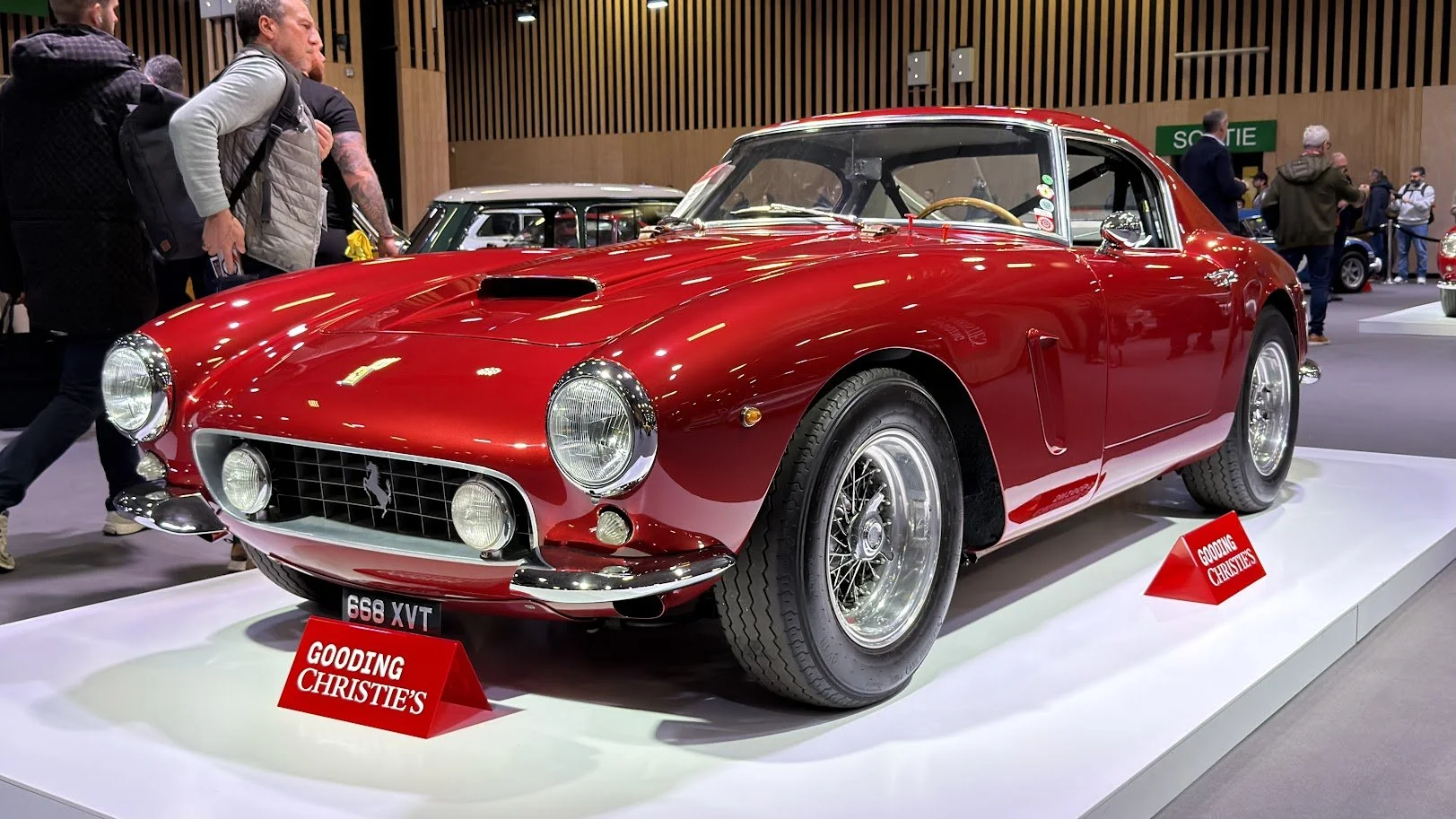
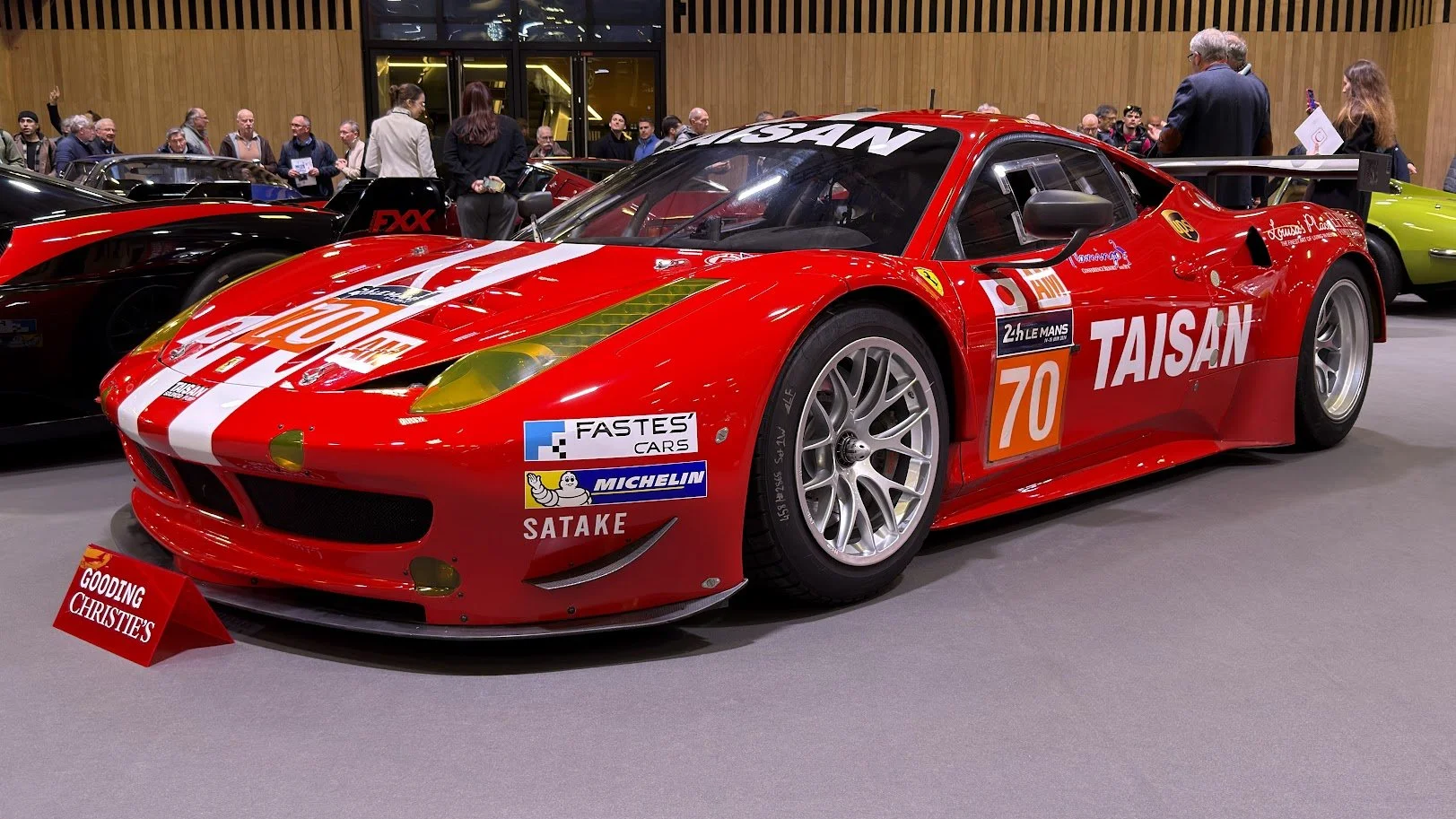
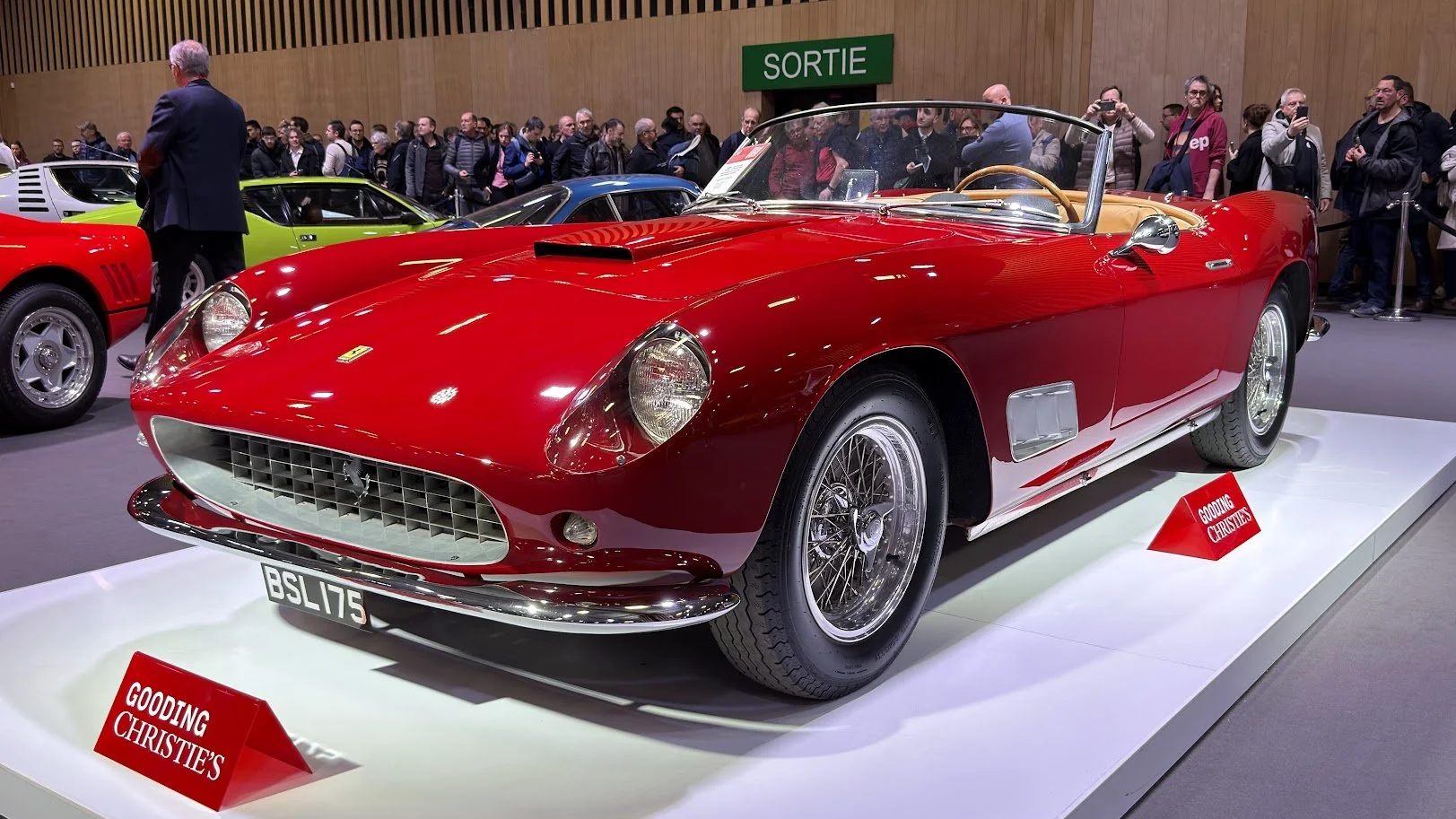
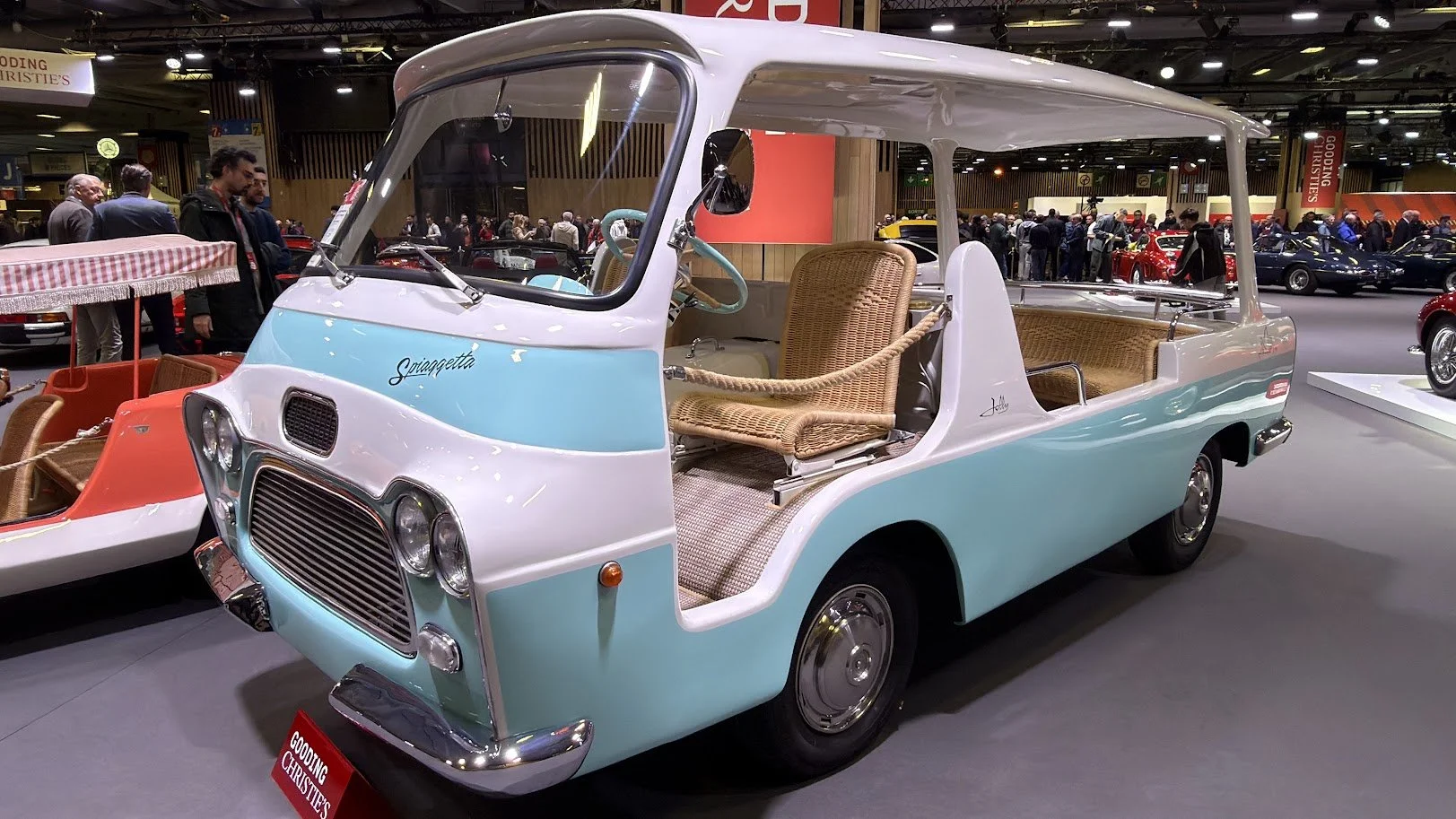
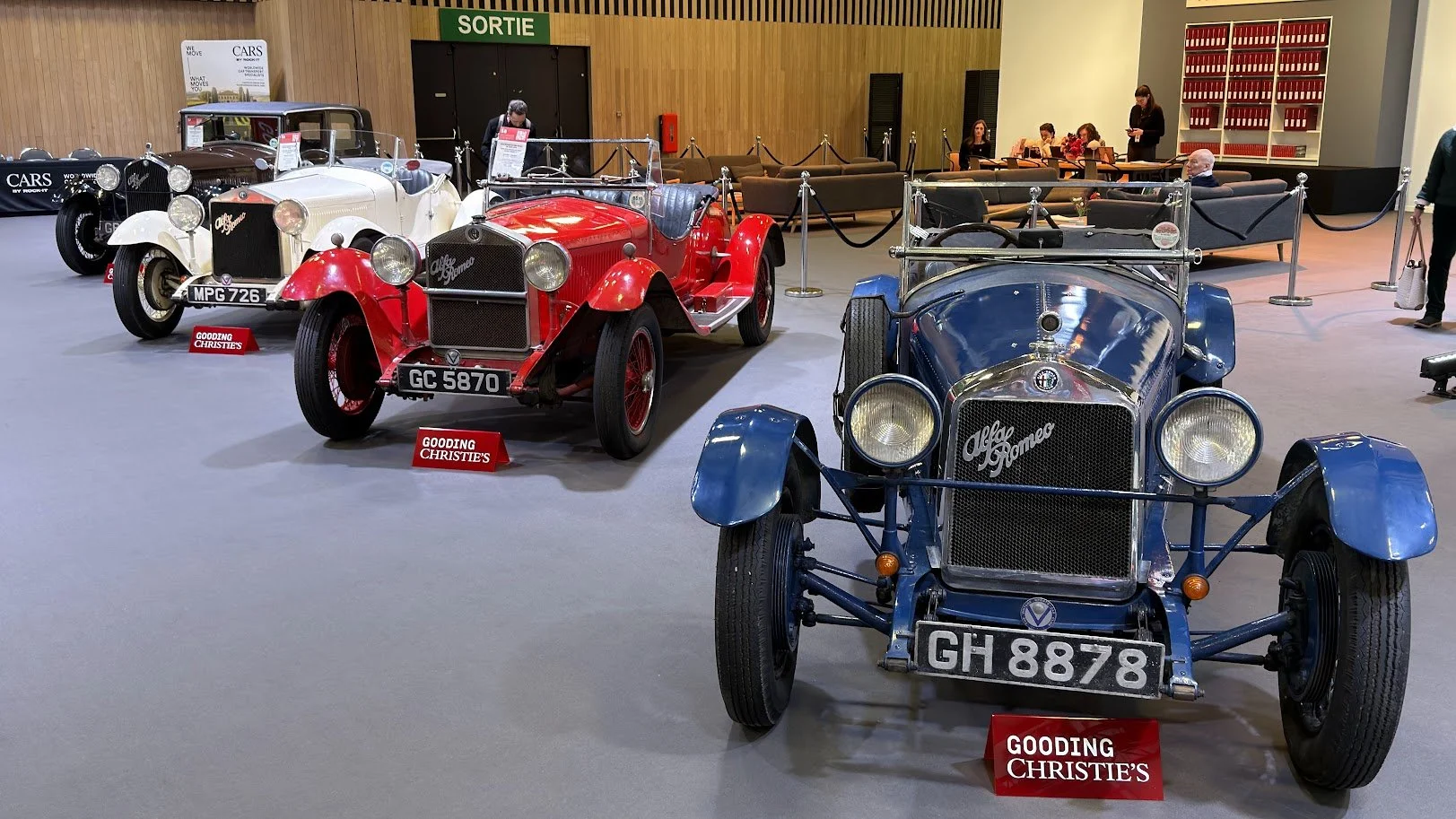
Ultimate Supercar Garage wasn’t the only show Rétromobile hosted for the first time. Gooding Christie’s auction house held its inaugural European auction this January as well. The event was well-matched with the other main attractions, and the consignments for the sale were exceptional: pre-war classics, vintage Italian sportscars, numerous race cars from several decades and even open-sided beach cars. Without further ado, let’s go over some of the most notable of them.
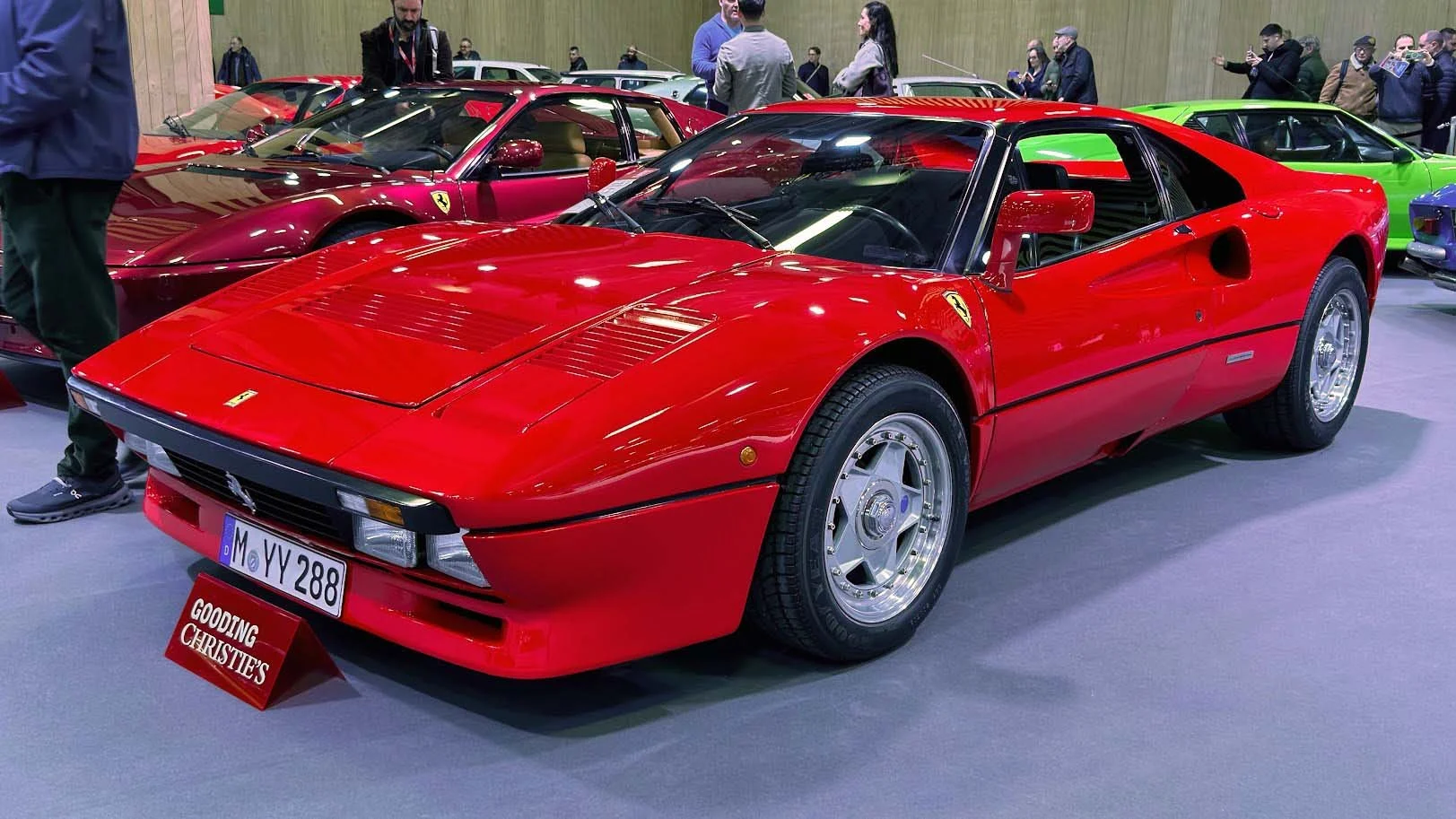
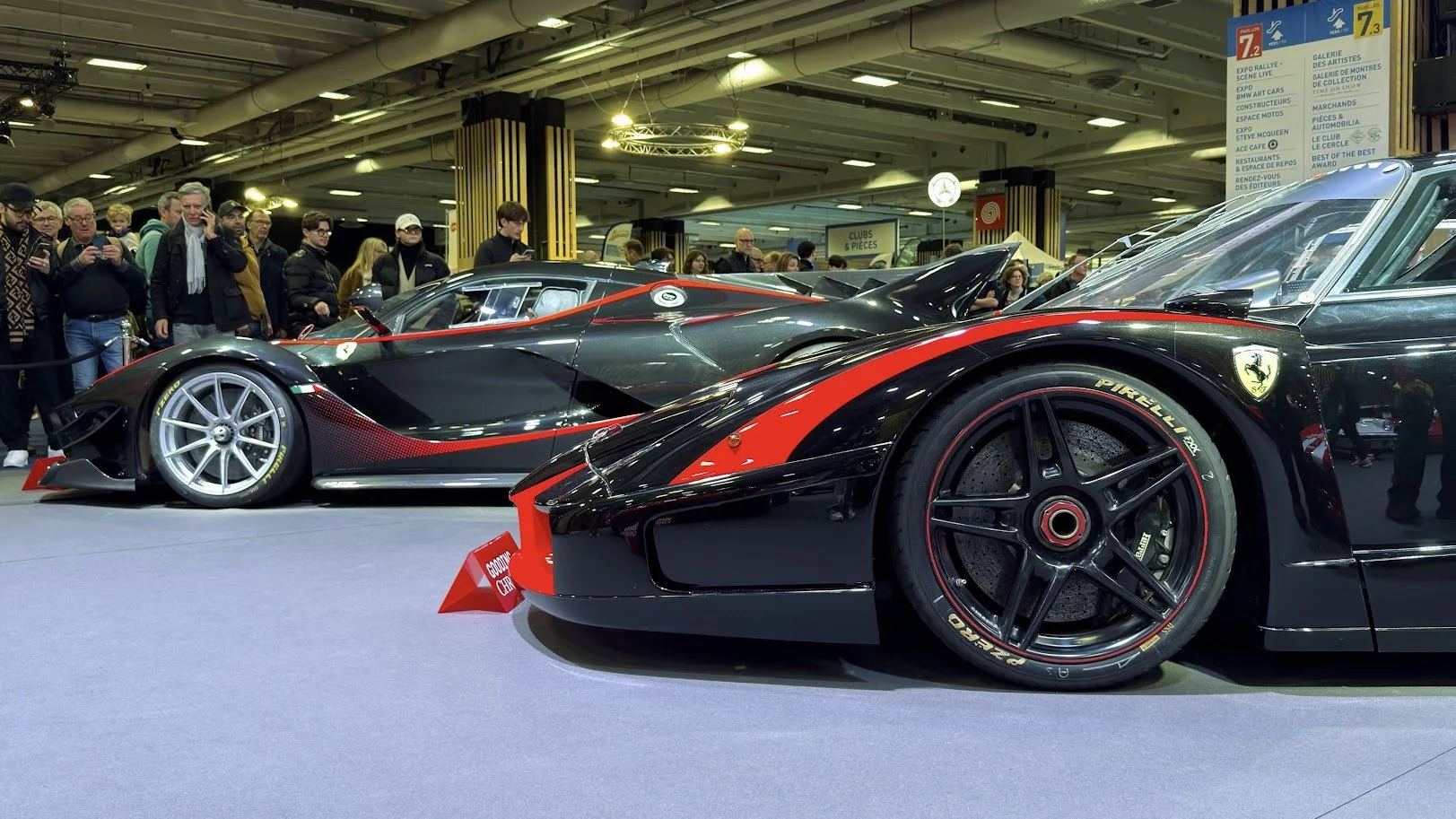
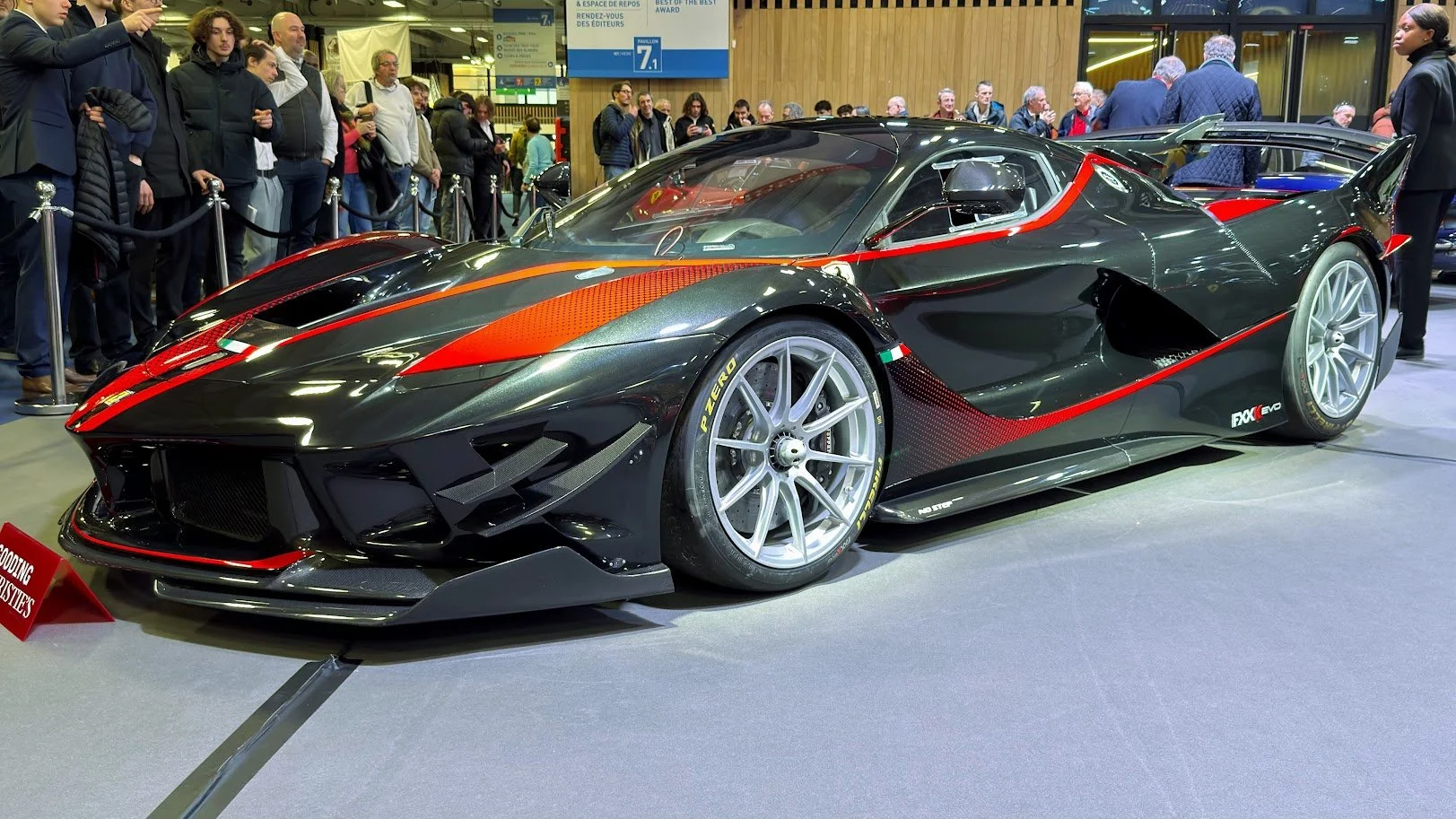
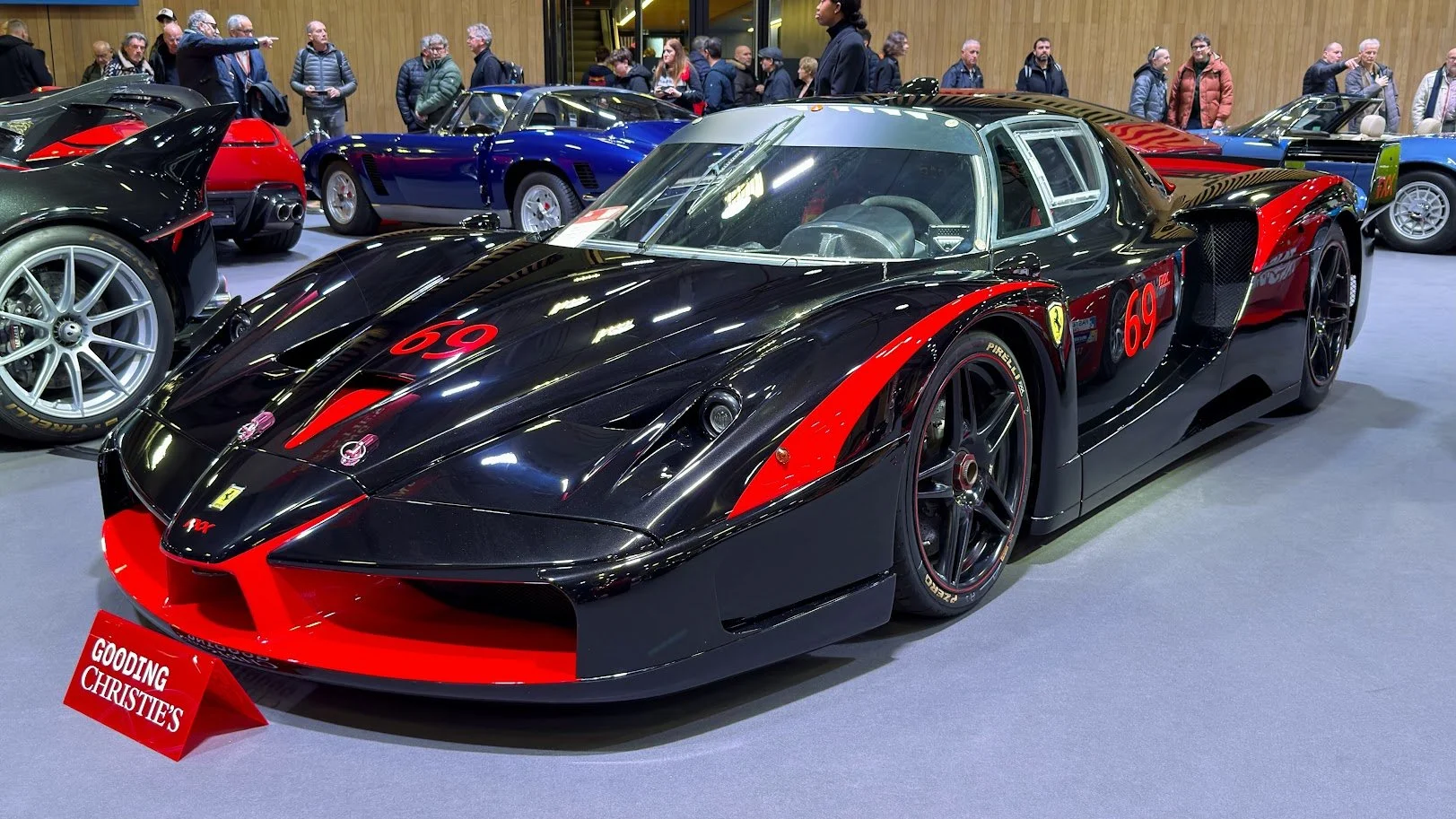
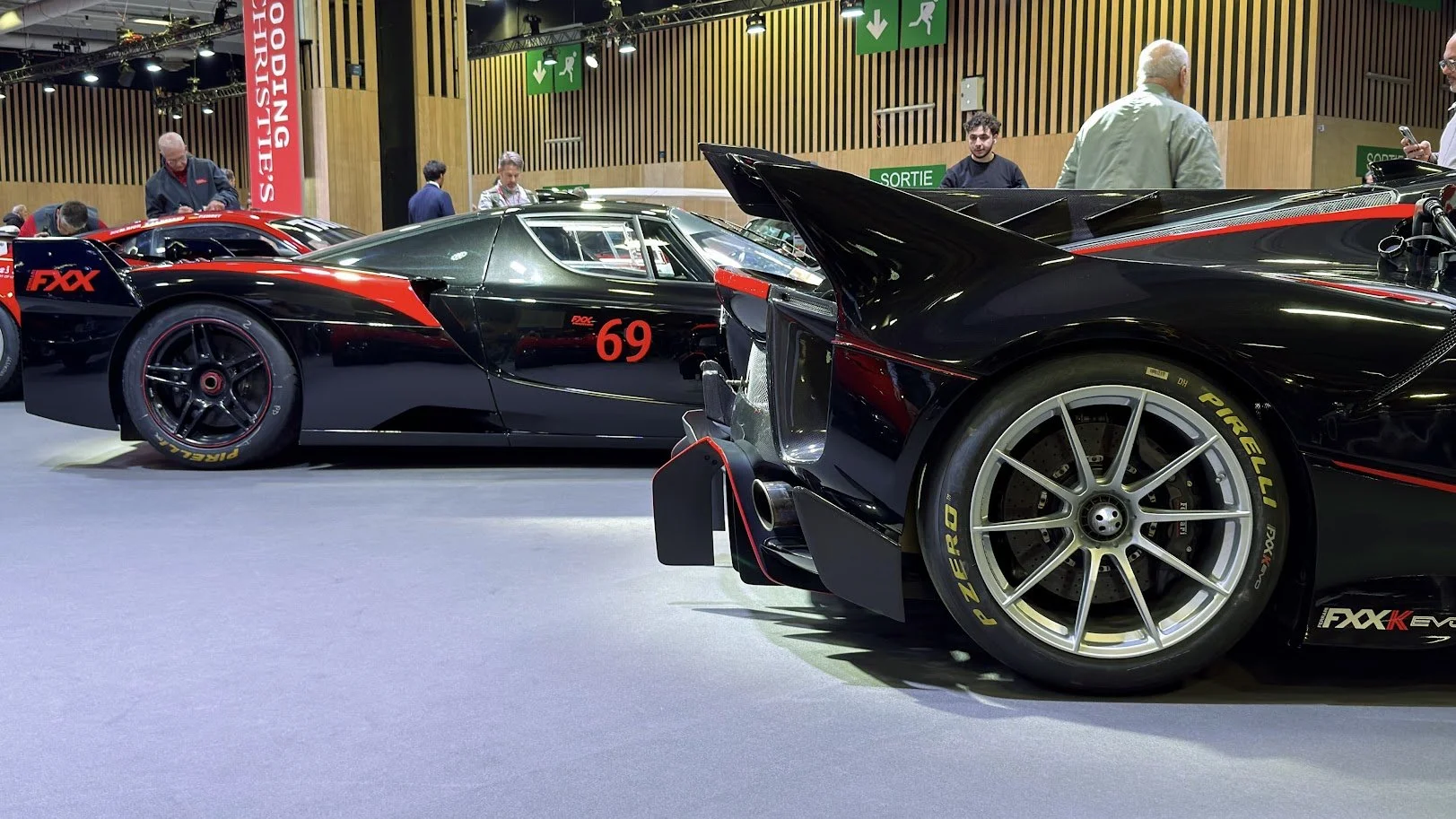
We simply have to start with the record-breaking Ferrari 288 GTO that fetched its highest ever result, 9,117,500 € (excluding fees). An amount that surpassed the recent sale at Mecum Kissimmee auction and one that indicates unquestionably growing interest in Ferrari’s “Big 6”. Another model record holder, which also happens to be a Ferrari, was an FXX-K Evo that sold for 6,980,000 €. What distinguishes this FXX-K Evo among almost all the rest is the fact that this one was completed as an Evoluzione car instead of receiving an upgrade package. A matching specification FXX Evo from the same collection was also sold for 4,448,750 € and, like its twin, was built as an Evoluzione rather than being converted.
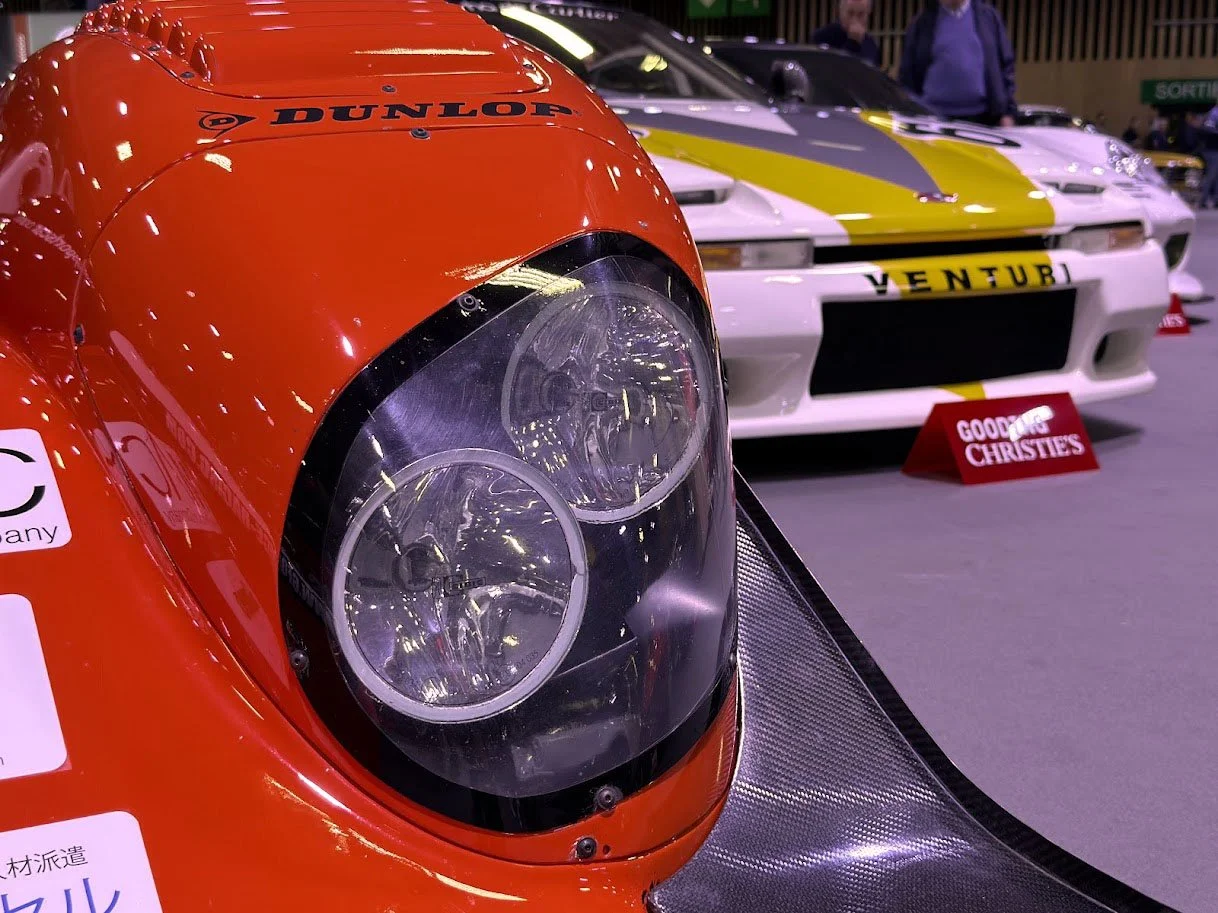
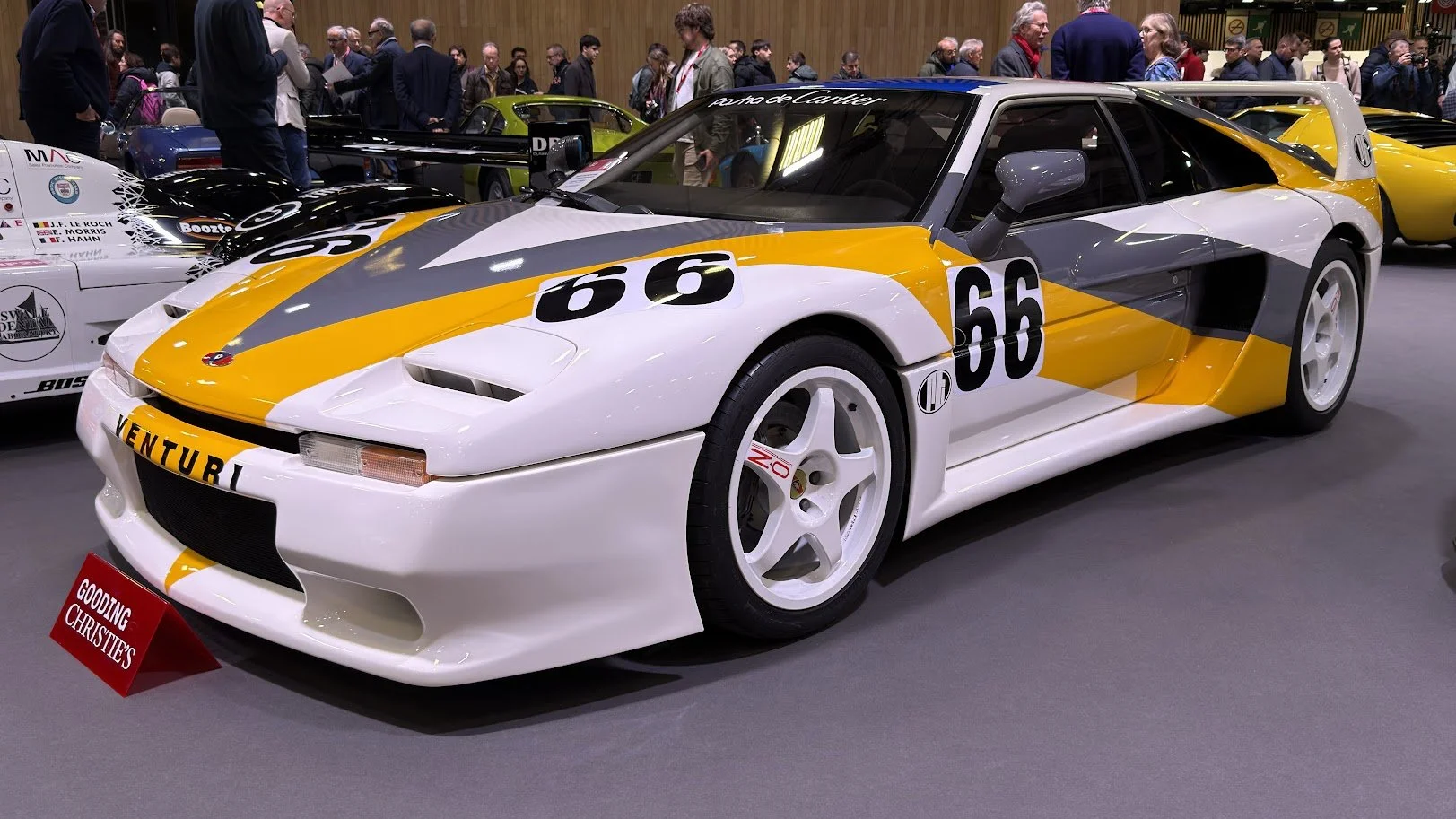
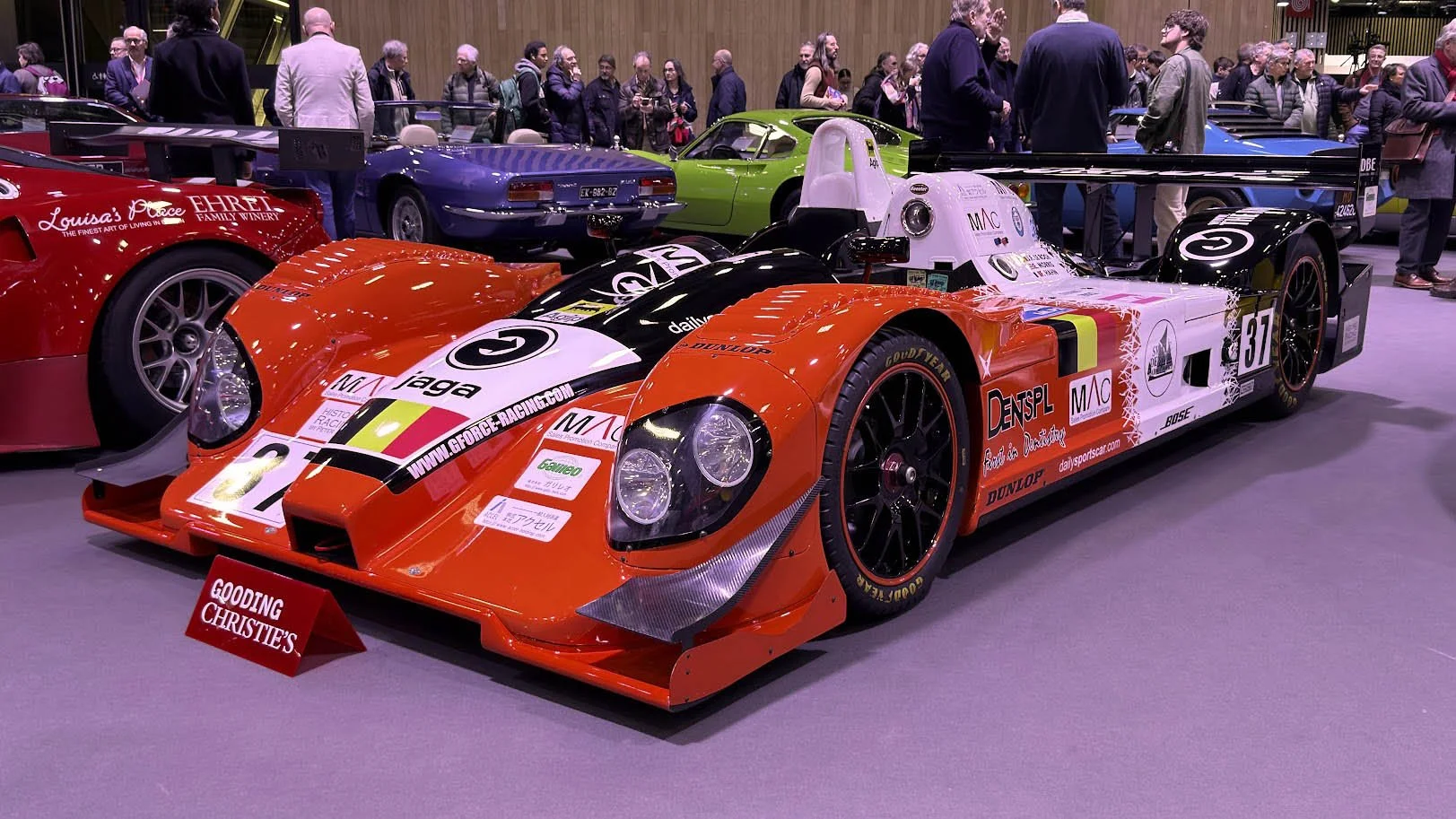
The French cars available at the auction were no less interesting and had some respectable track mileage. The first of them is a prototype built by Courage to compete in LMP2 class in the Le Mans Endurance Series and 24 Hours of Le Mans. And so it did, only somewhat successfully, due to a number of technical issues holding it back. The other quite special competition car is the Venturi 400 Trophy. Even among just 72 Trophy cars built, this one stands out as it is one of approximately 10 that were converted for road use. The conversion was offered by the Venturi factory to all the owners and this Venturi received one after competing in two full seasons of Gentlemen Driver Trophy in 1993 and 1994.
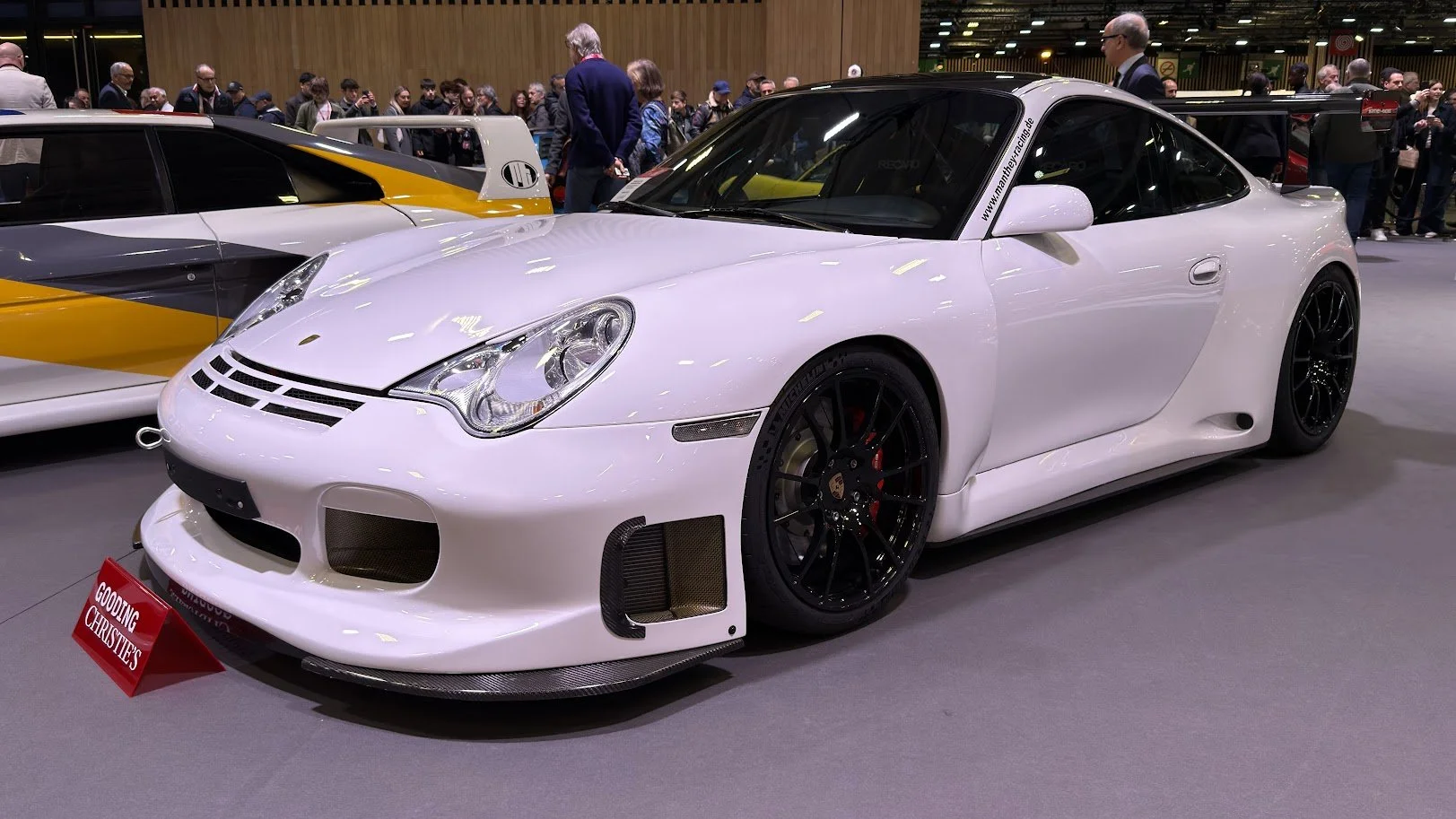
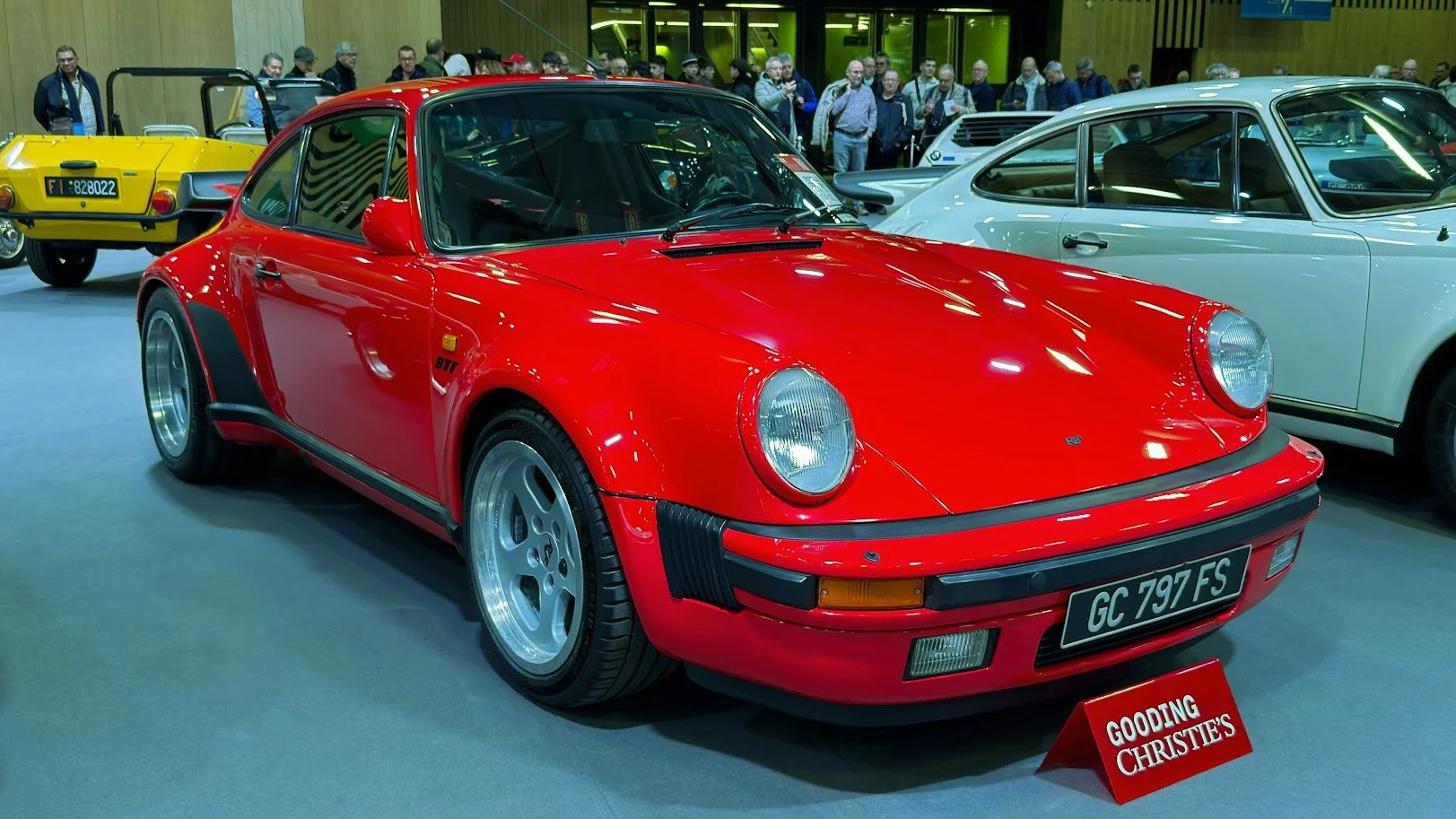
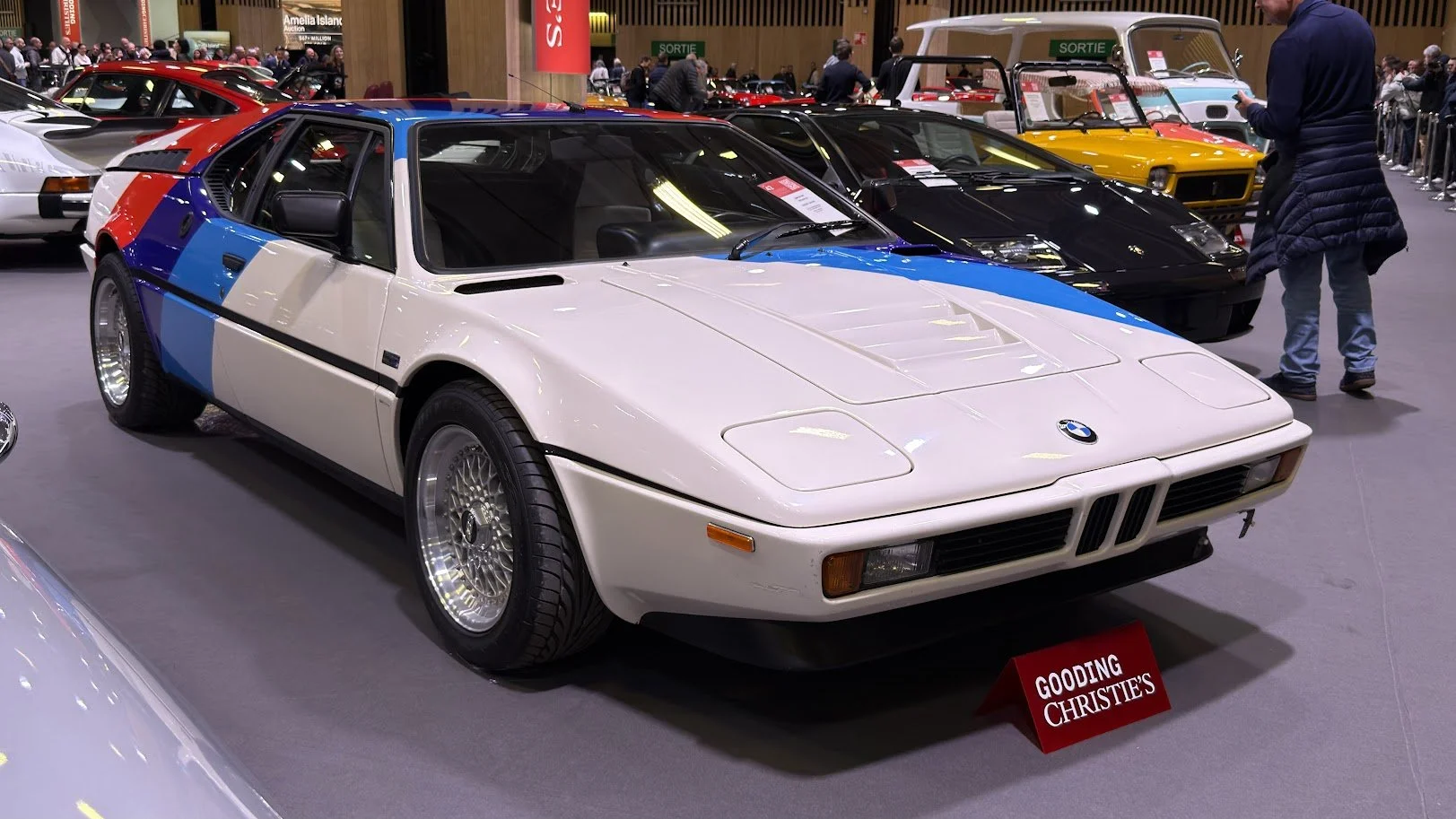
If German cars suit your taste better, you wouldn’t be out of options either. Among the ever-present Porsche 911 models there were a few that stood out more than the rest. The first of them is the GT3 RS Manthey MR 515. This is a 996 GT3 RS extensively modified for optimal track performance by Manthey, who earned its reputation after preparing multiple successful Porsche race cars for NLS races. Among numerous other modifications, the engine displacement was increased to 4.4 liters, while the car remained street-legal with TÜV-approved parts. Another 911 upgraded beyond its standard capabilities is this RUF BTR, which started its life as a regular 930 Turbo. Engine displacement was increased to 3.4 liters, the transmission was replaced with a new 5-speed one, and the brakes, the differential and exhaust system were upgraded as well. Should you desire something pure and untouched, yet still delivering superb performance, a nice BMW M1 like the one for sale here might be what you need. One of 399 cars built to homologate the M1 race car, this was one of the fastest sportscars of its time and the one that gave its racing counterpart the opportunity to succeed in many racing series.
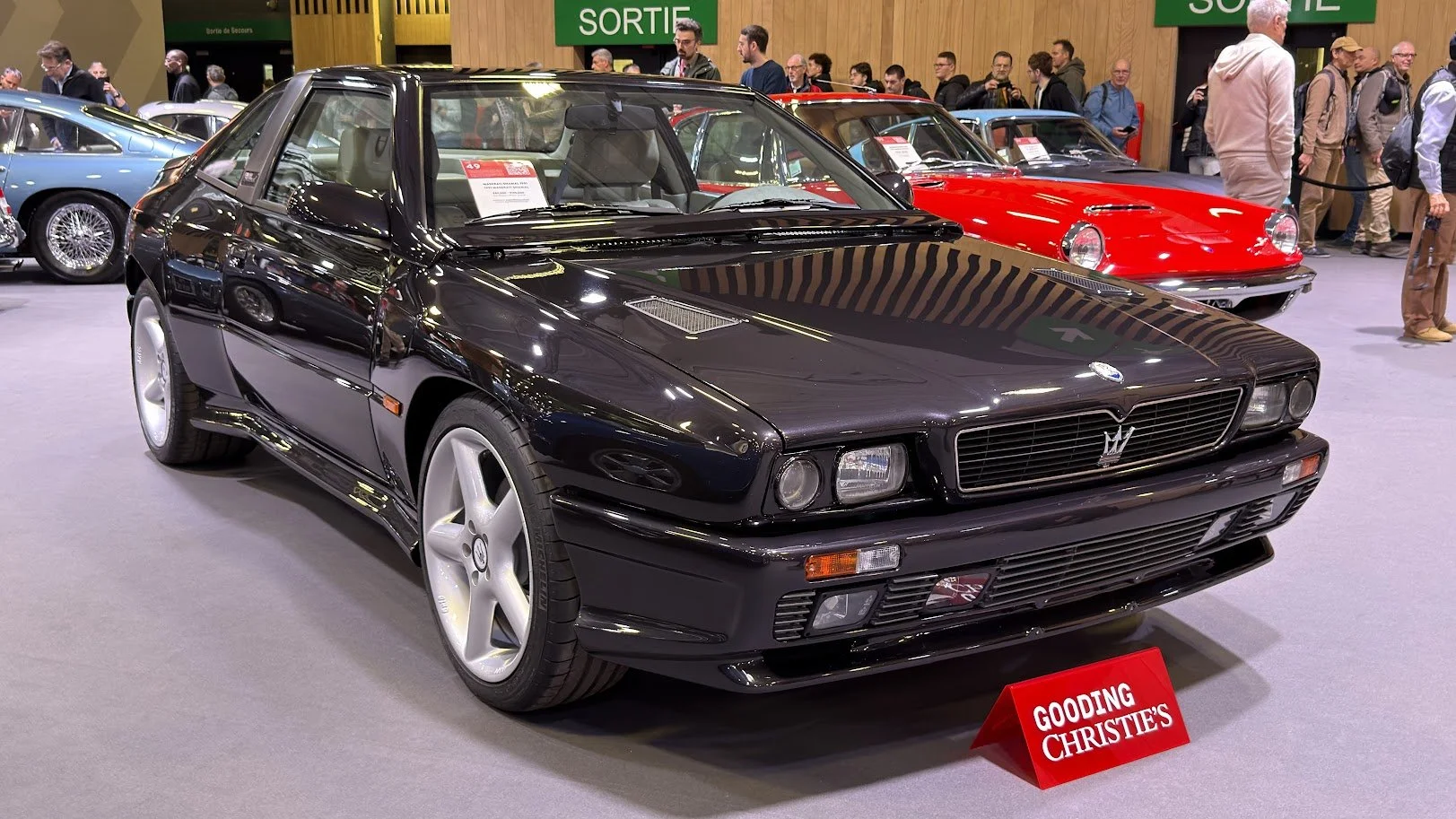
If you were looking for the finest, the rarest and the fastest automobiles for sale, the auction by Gooding Christie’s was the place to be. Almost a hundred exceptional pieces of automotive history have been put together for the Paris 2026 sale and some of them even reached record-breaking prices. But whether they were sold or not, none of their grandeur disappeared and to make sure of that, please take a look at some of the remaining cars we did not cover in text.