

The idea of dedicating an exhibition to classic cars in Paris was the marketing plan of Éditions Atlas, a French mail order company that also put out various encyclopedias in the form of magazine-like publications. In 1974 it was launching its “Alpha Auto” encyclopedia also known as “The great encyclopedia of automobile”. As a springboard for the publication, an exhibition of vintage cars was organized by Jean-Pierre Jouët, a major trade fair organizer in Paris. Car selection was entrusted to Marc Nicolosi, a known classic car restorer. At that time the exhibition was held in a former train station of Vincennes, at Place de la Bastille and its success motivated Marc to host another edition of the exhibition in 1976, this time with a commercial touch. This led to spare parts dealers, antique dealers, and brand clubs joining the event with the new name we know today – Rétromobile. In 1985, after 5 years of annual hosting, the event location was also changed to the one more familiar to today’s spectators and participants - Paris Expo Porte de Versailles.
50 years later we find ourselves at the anniversary edition of Rétromobile and one could argue that this is the most spectacular year so far. There are reasons one might disagree with that statement but that is besides the point. As always, the selection of automobiles presented by exhibitors was exceptional and that is a fact. Any doubts you may have get dispelled the moment you walk inside the pavilion… or read this article.
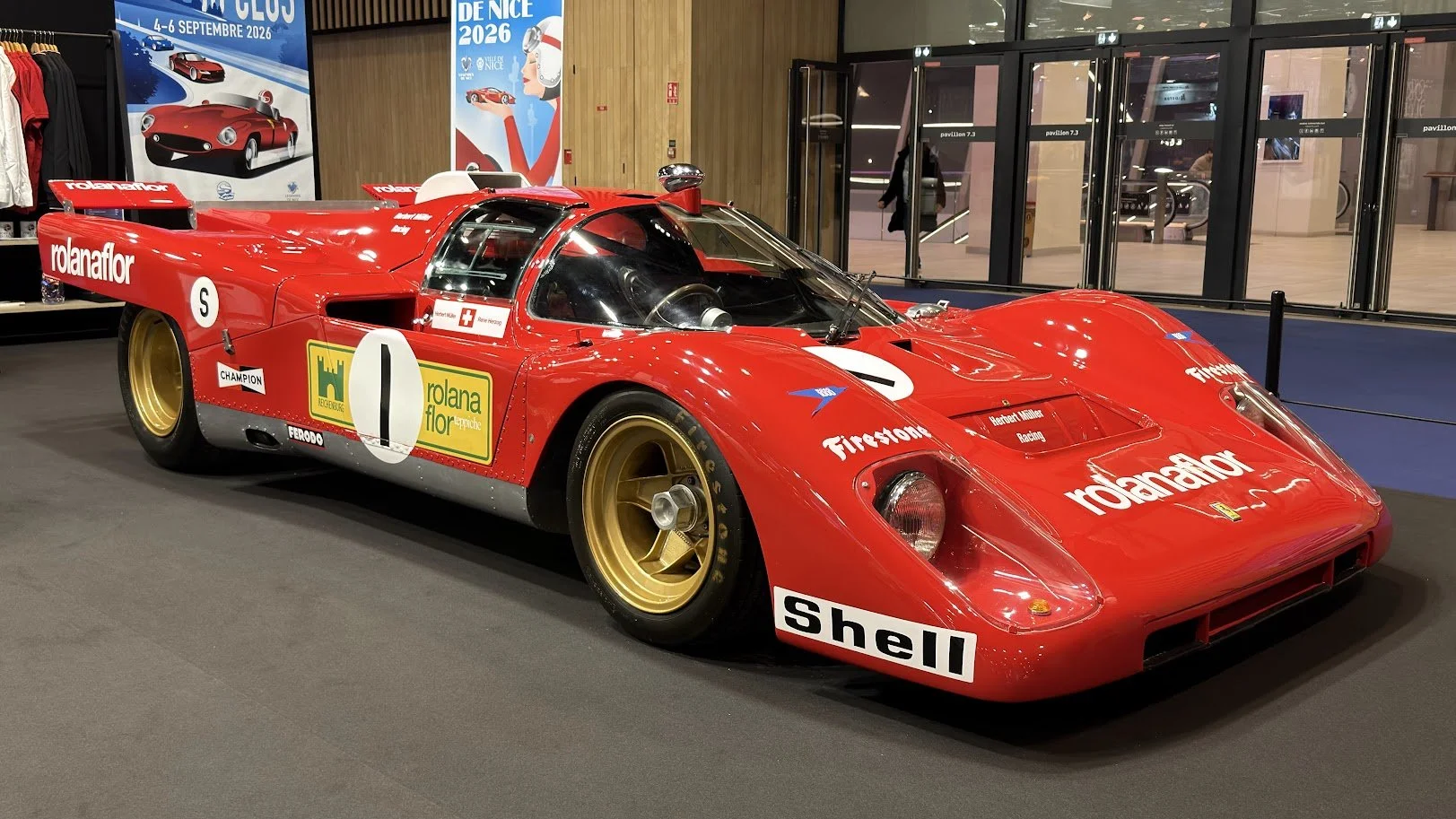
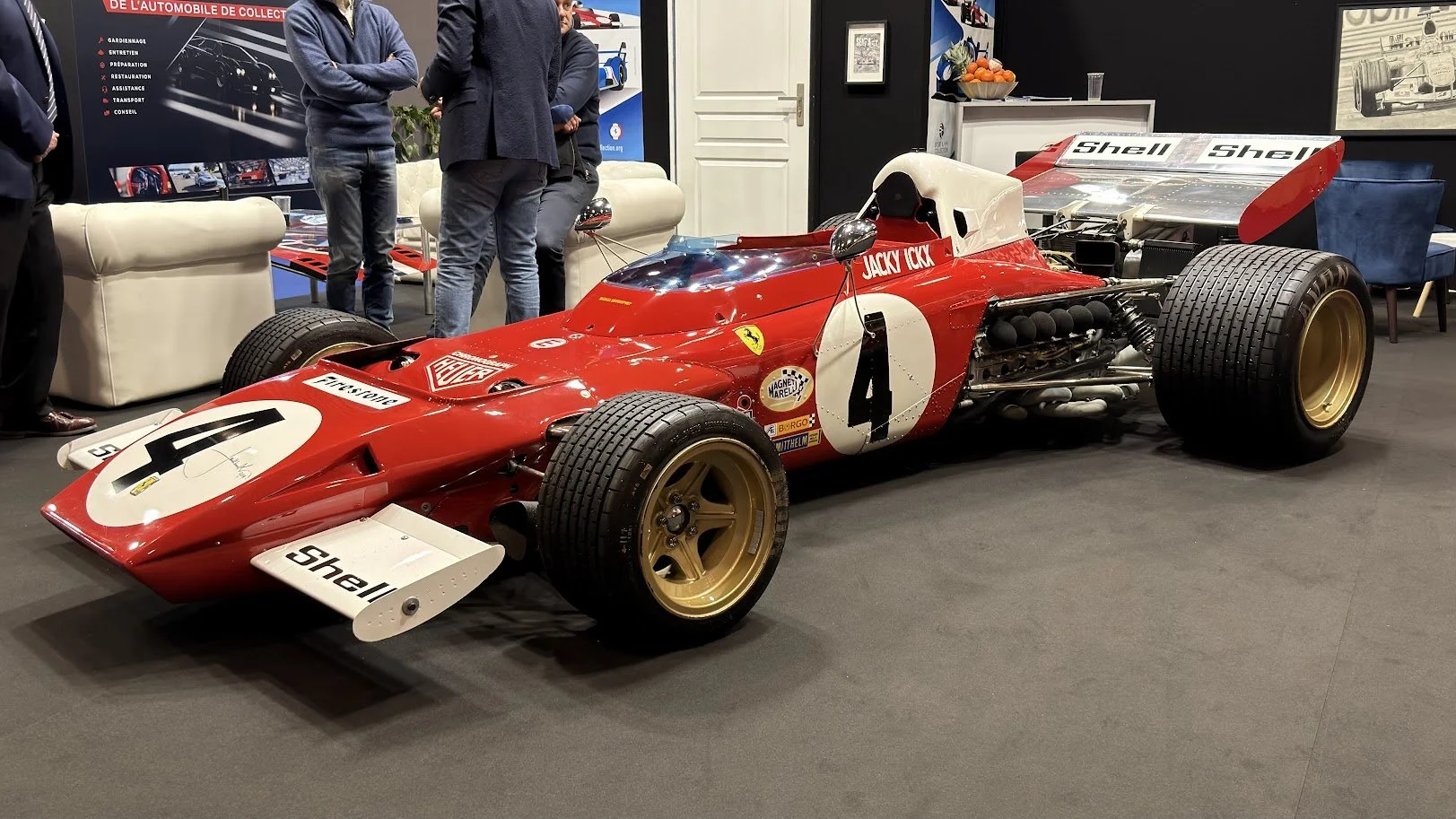
The most appropriate place to start might be this remarkable pair of Ferrari race cars – the Ferrari 512 S (chassis 1044) and the Ferrari 312 (chassis 005). Aside from the same active time period and a couple of other things, something they have in common that is really worth noting is the fact that both have been driven by Jacky Ickx, although that only happened once for this 512 S. Most of 1044’s races in its period were done by Herbert Müller. Both cars are incredibly well preserved and are in a good enough condition to participate in historic racing, which has occurred on a number of occasions.
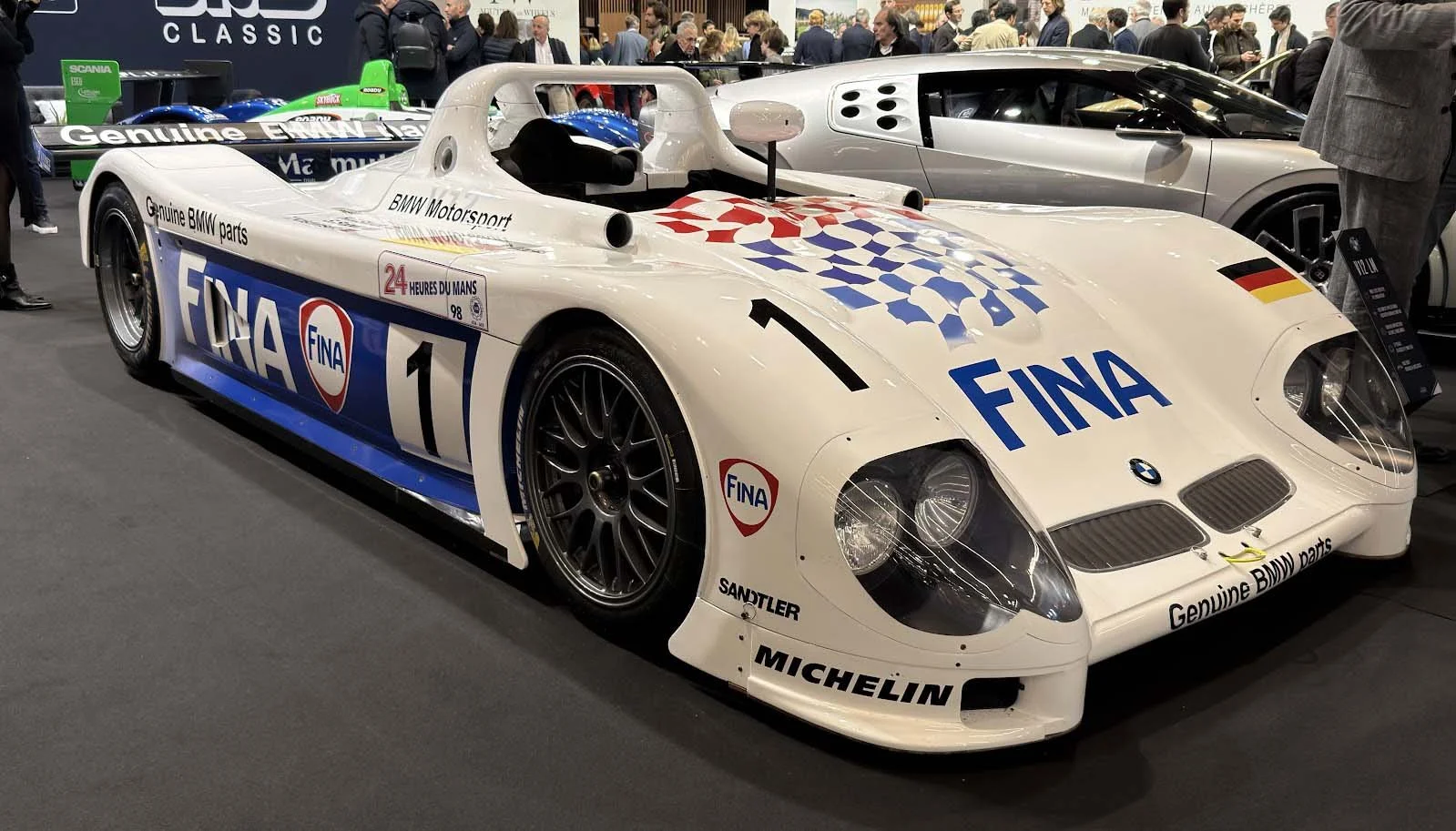
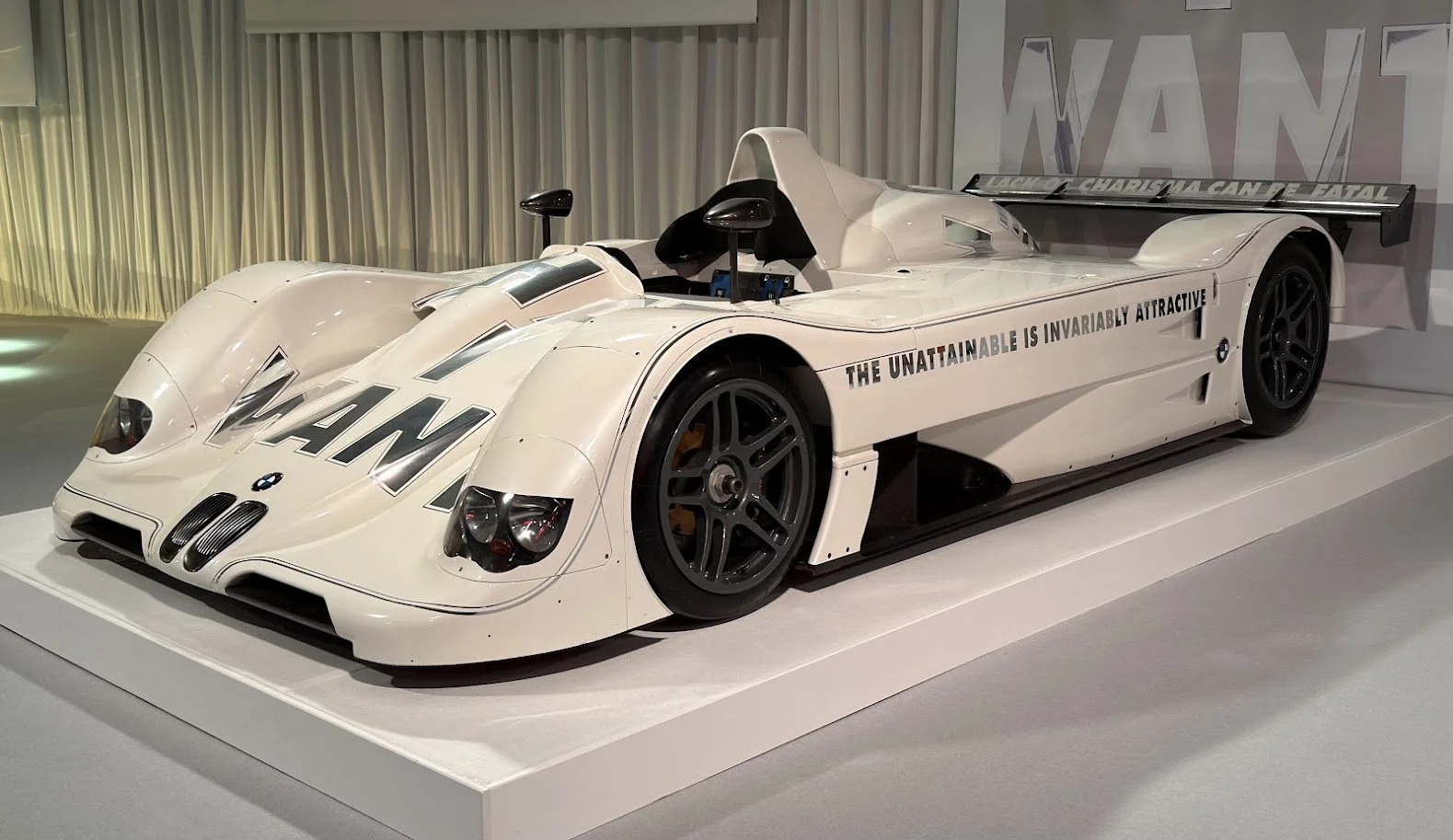
The next couple of cars we’ll look at represent somewhat of an opposite scenario. These are the BMW V12 LM (chassis V12LM-001/98) and the BMW V12 LMR (chassis V12LMR-004/99). After leaving the factory they did not share a lot in terms of history. They could be seen together in only a handful of races such as 24 Hours of Le Mans and ALMS races in Portland and Sears Point (currently known as Sonoma raceway). This here is a rare reunion of some of very few Le Mans prototypes built by BMW, although both have been brought by different exhibitors. The LMR was a part of the BMW Art Cars display, the livery was designed by Jenny Holzer.
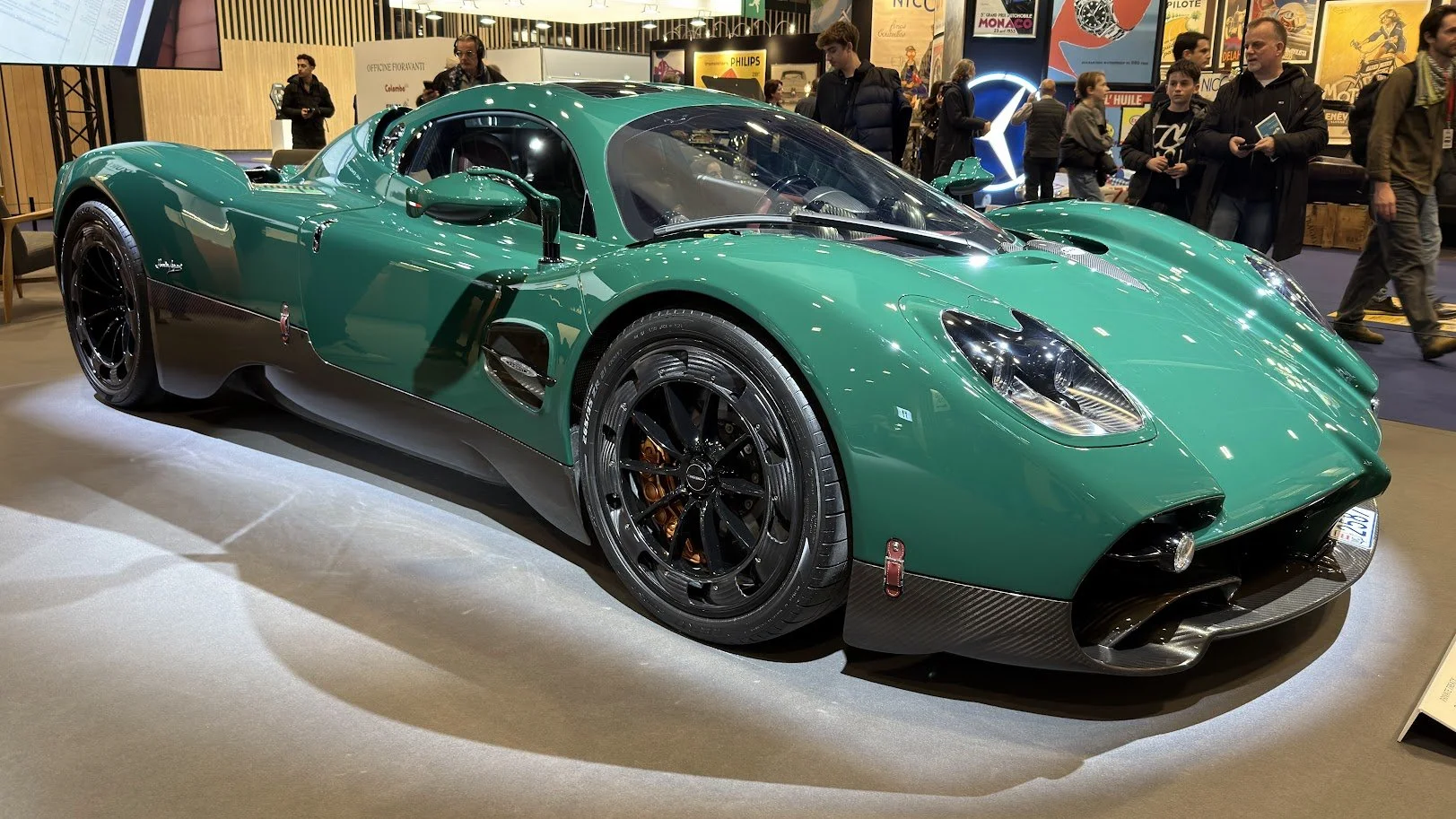
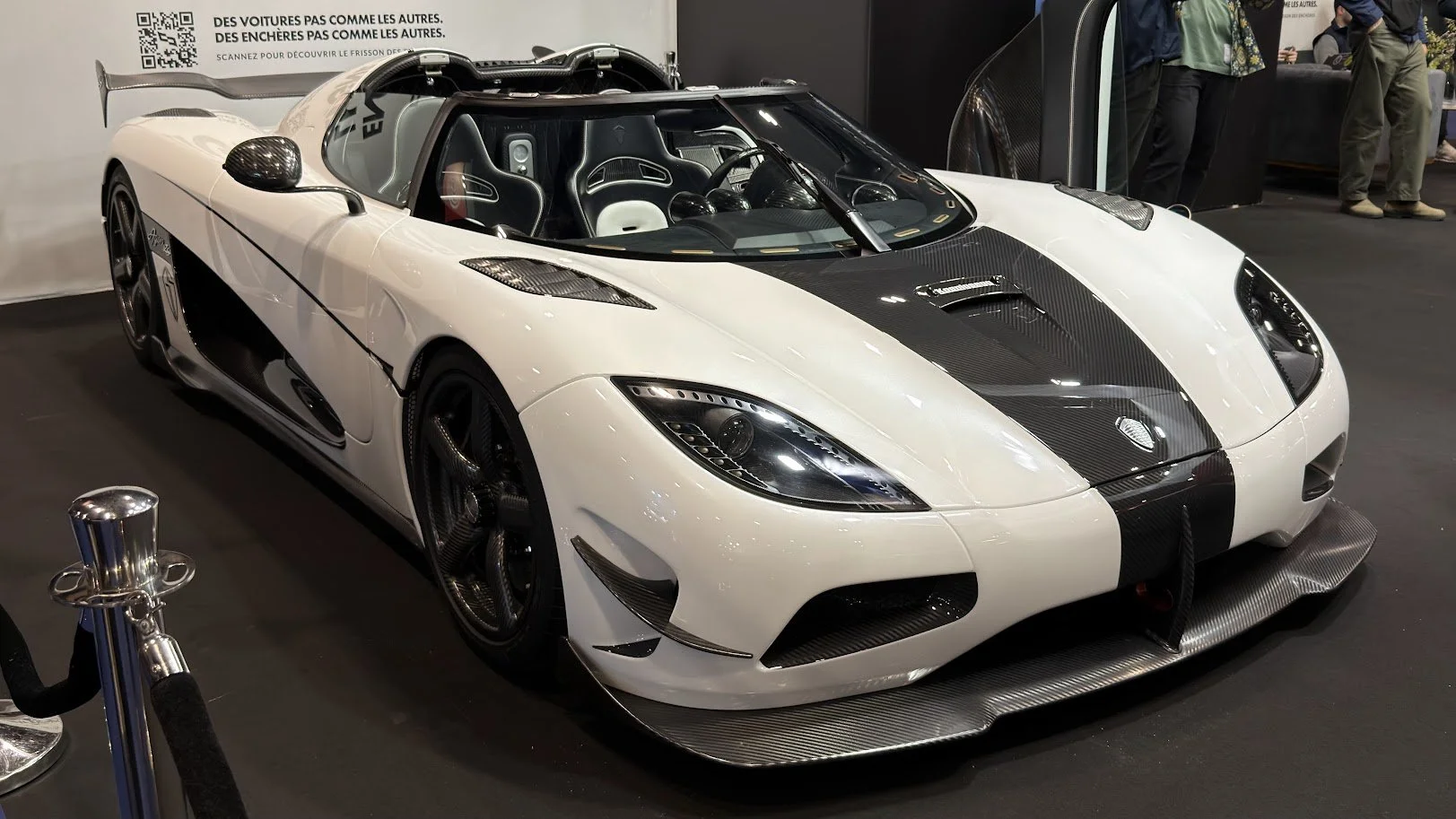
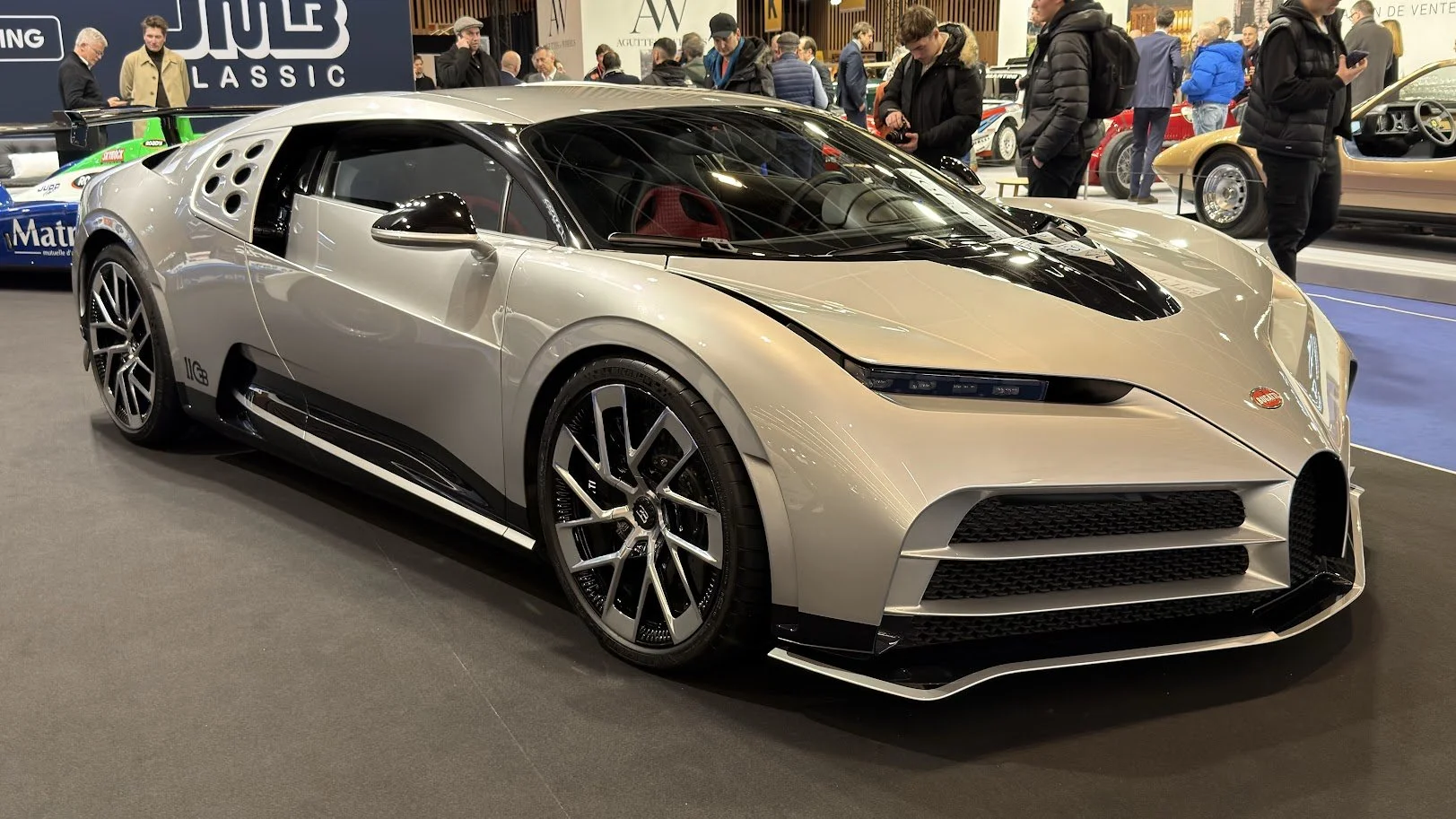
It’s time to flip the record to the B-side and talk about modern hypercars. Track 1 is the Pagani Utopia (chassis 76055) finished in Deep Gloss Green with bumpers and side skirts finished in Crystal Clear Carbon. A beautiful example of Pagani’s current main production car (production run consists of only 99 coupés) and the second model to utilize the AMG-built M158 twin-turbo V12 engine. Track 2 is the Koenigsegg Agera RS (chassis 007116) painted in Arctic White with clear carbon accent and black stripes. The Agera RS sits at the peak of performance as far as the Agera model line goes with 1341 brake horsepower available to it from the Koenigsegg-developed twin turbocharged V8. The final track is an ode to a turning point in the history of Bugatti, when an internal conflict of interests led to the birth of the Bugatti EB110 as we know it today. 31 years later in 2022 production of Bugatti Centodieci has begun in a very limited capacity – only 10 units. This one is chassis 05 painted in EB110 Argent and the only one with the EB110 logo on the sides. Overall, design cues from EB110 can be seen just about everywhere from the grille to taillights design. Largely based on Chiron mechanically, it packs a 1578 horsepower quad-turbo W16 engine, something that also has become Bugatti’s signature feature during the last two decades and is unfortunately going away.
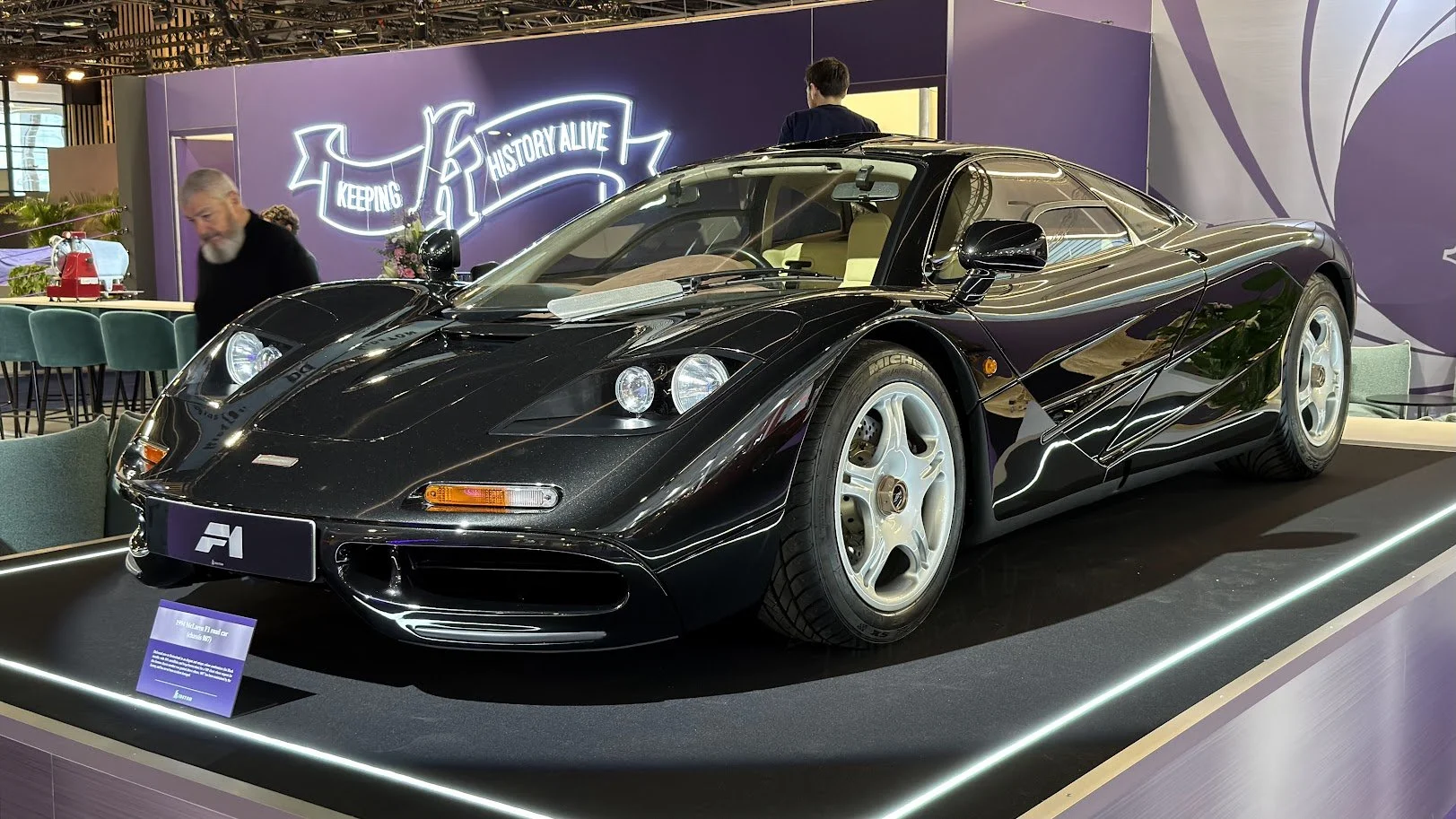
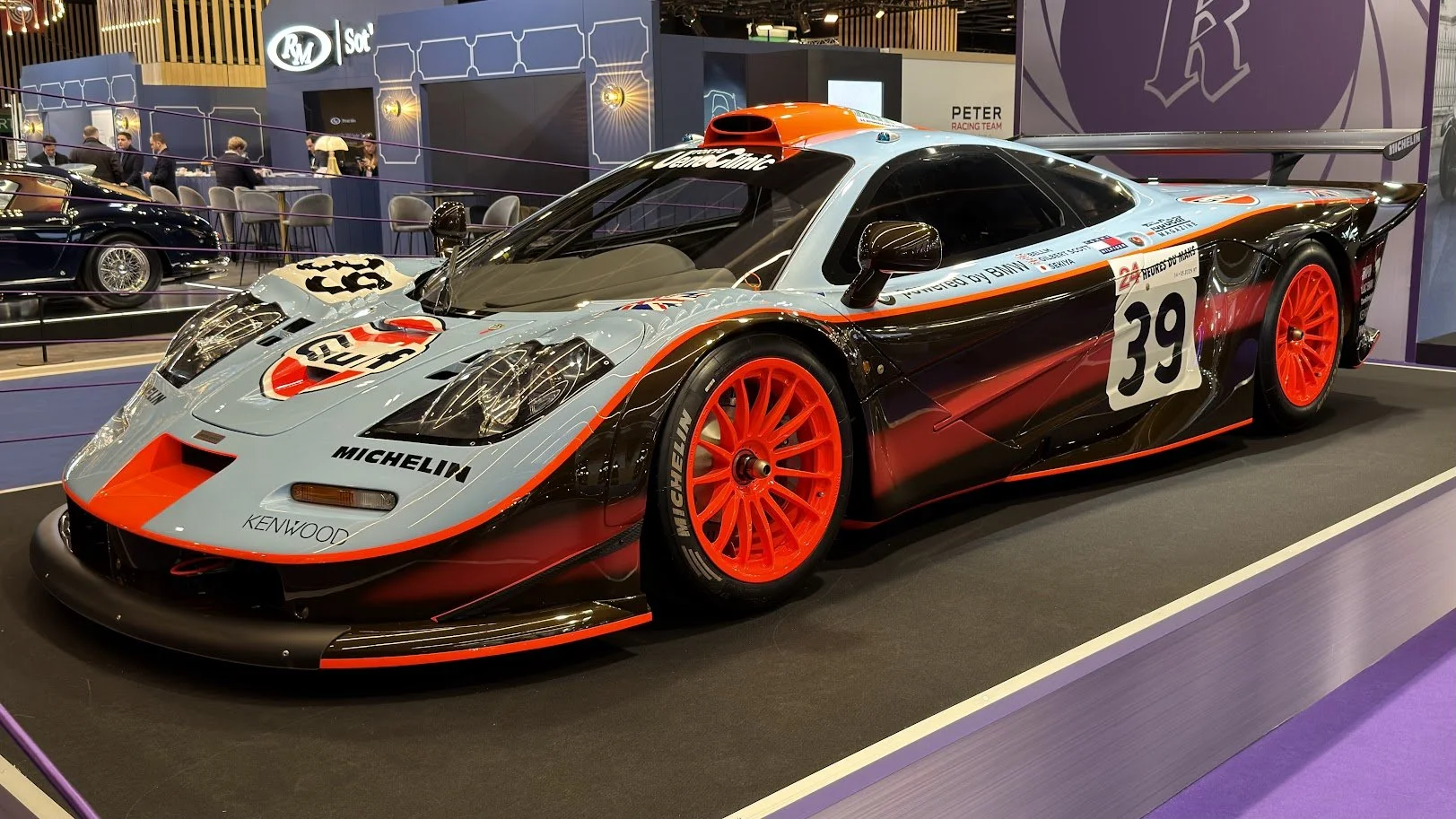
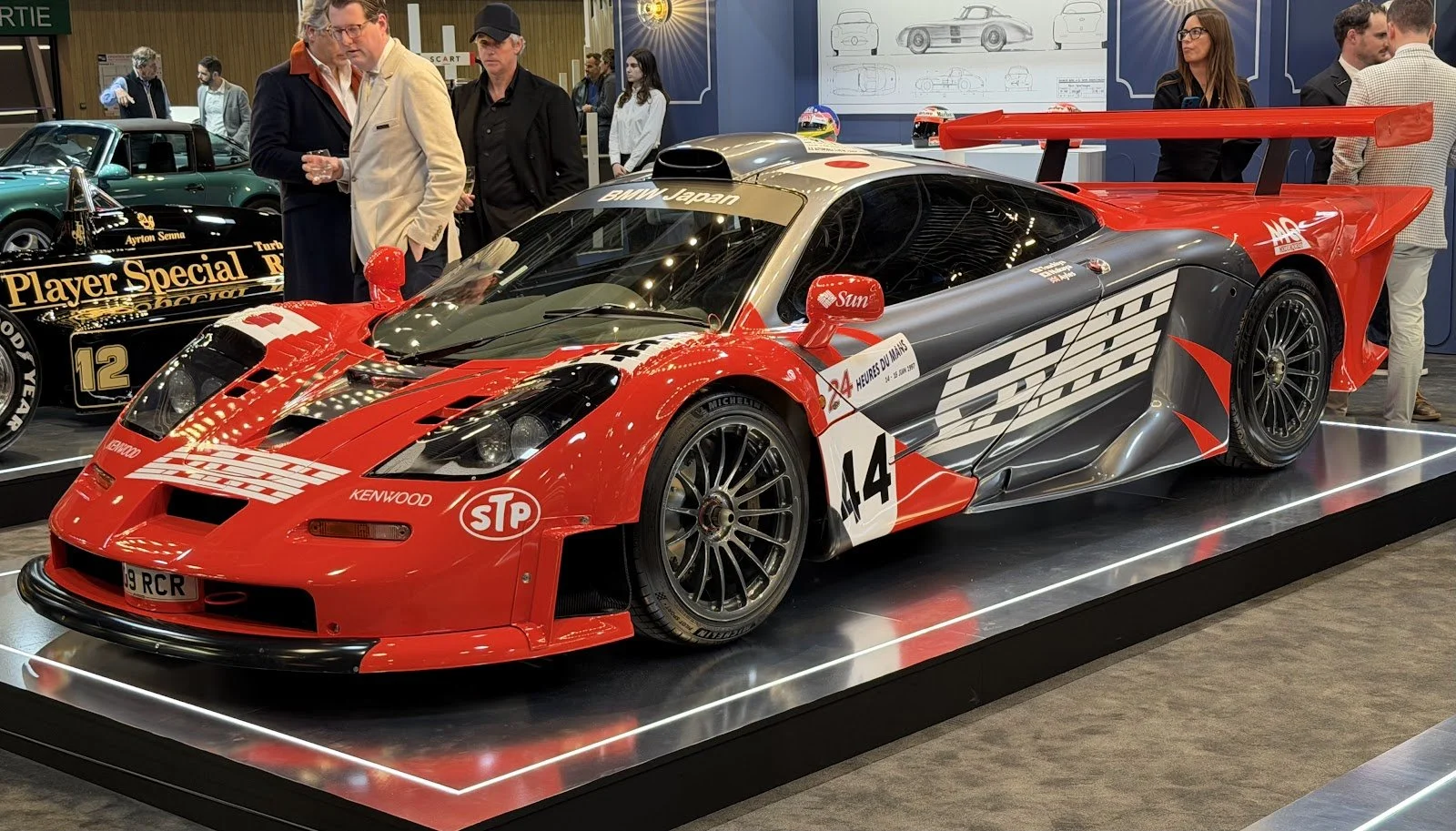
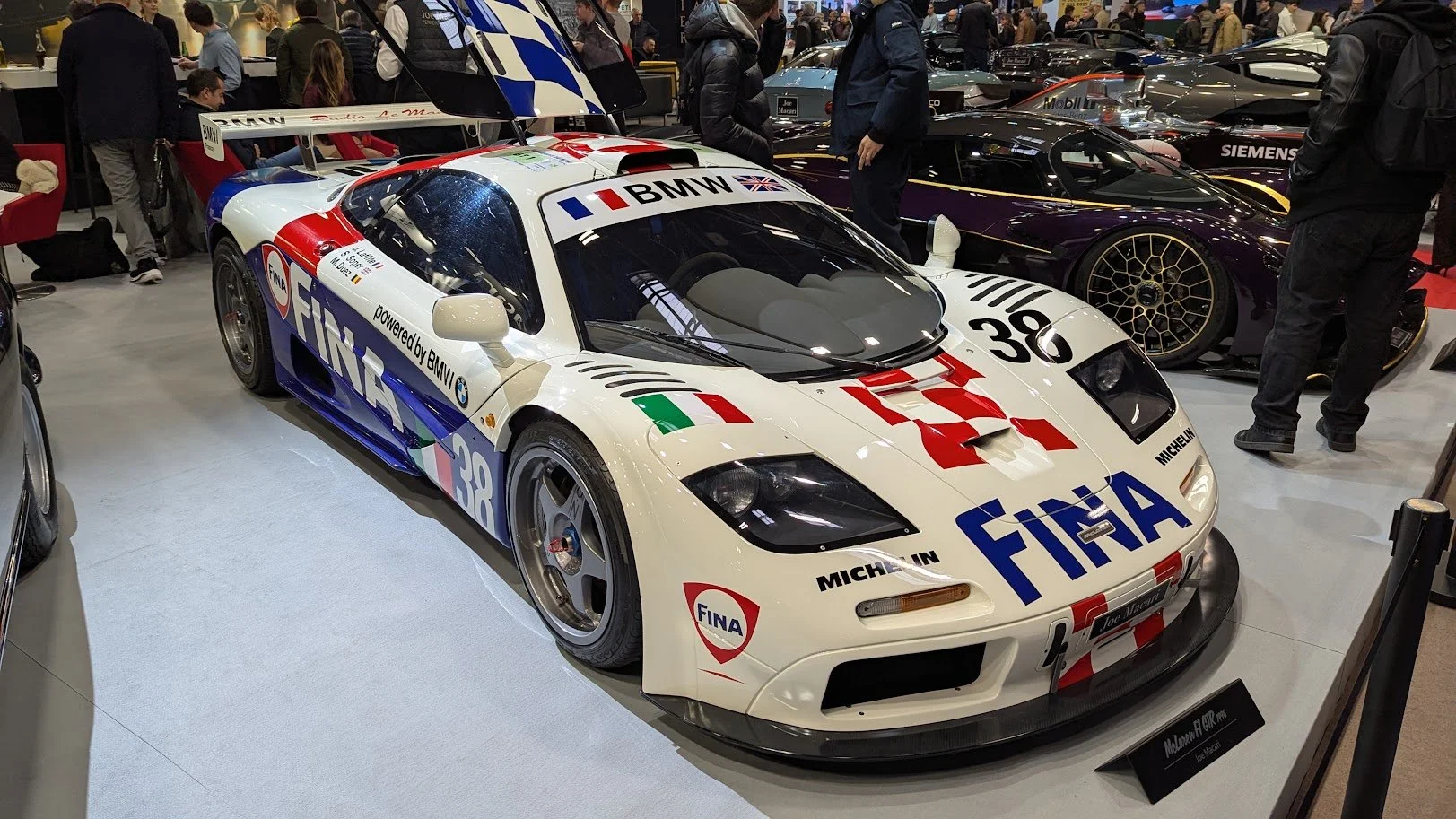
Now here is something truly terrific. How pleased would one be at the sight of a McLaren F1? Putting its introduction aside for now, we would imagine quite pleased. How about two of them? That would make a truly remarkable occurrence. We could go on with the numbers but the point is this edition of Rétromobile was close to a “once in a lifetime” experience with 4 McLaren F1 cars present. The only road car of the group is chassis 007. It was the 7th car built, although chassis number does not always correspond to the manufacturing order, painted in Jet Black with 10% flake, and powered by the renowned 6-liter S70/2 V12 built by BMW producing 627 brake horsepower at 7500rpm. There is a lot to say about the history of F1, from the establishment of the project in 1989 to its win at the 24 Hours of Le Mans in 1995, so we will save that story for another day. On the same stand organized by Kidston we can see the other end of the F1 spectrum – a long tail race car built in 1997, chassis 25R. After one active year in Europe it had most of its races in Japan in the hands of the Hitotsuyama Racing Team, taking part in JGTC from 1999 to 2003 with relative success. Overall this is definitely an amazing F1 display from Kidston, and what’s more, should you find some 20-30 million dollars to spare, consider giving them a call since both cars are for sale. Just nearby you could see the exhibition prepared by RM Sotheby’s with the cars available through Sealed auctions. One of which is a stunning chassis 27R, another long tail race car. As opposed to 25R in a way, it had spent most of its active days in Europe, only competing in Japan once in 1997. Here it can be seen wearing Team Lark McLaren livery, which it had during the 1997 24 Hours of Le Mans, but interestingly enough it is a wrap and most of Parabolica Motorsport livery is underneath it. The fourth F1 is another GTR race car and this one, unlike the others, was built in 1996 as a short tail version. Ran by BMW Team Bigazzi it had a rather short career taking part only in the BPR 4 Hours of Silverstone where it had a collision with another car and sustained front damage, and 24 Hours of Le Mans, both in 1996. At this point its Rétromobile display record is longer than its racing record since it has been displayed thrice, in 2022 by Kidston and in 2025 and 2026 by Joe Macari.
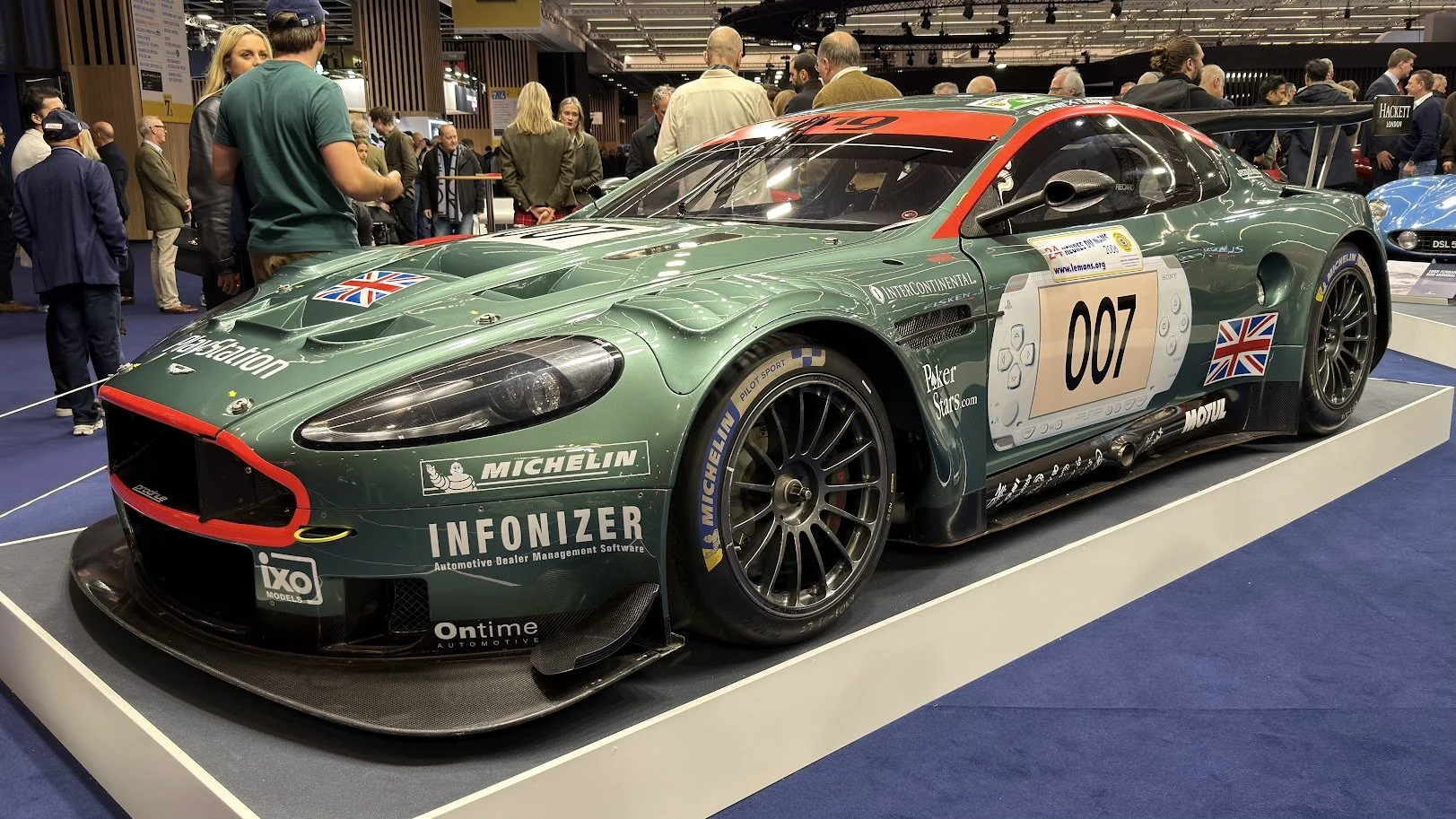
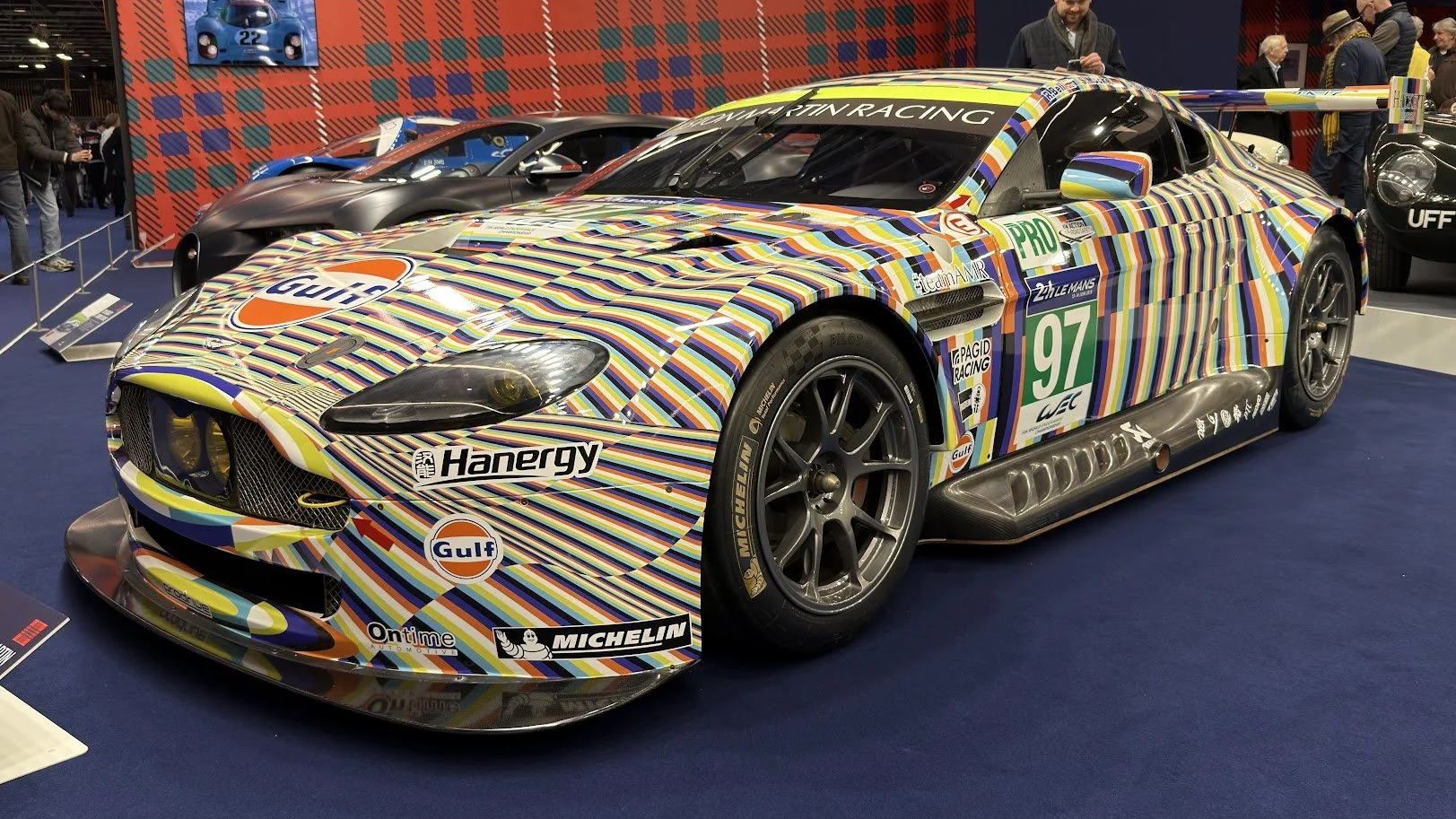
Not straying too far from the topic of British race cars, let’s take a look at this couple of Aston Martin cars. First comes the Aston Martin DBR9 (chassis DBR9/03) co-developed with Prodrive. Competing mostly in ALMS and later in FIA GT1 World Championships it has finished a fair amount of races on the podium and had a 3rd in class at 24 Hours of Le Mans in 2007, which was its only race that year. The success of DBR9 has given Aston Martin a signal to take the opportunity in the newly established GTE class after the discontinuation of the GT1 in 2012. For that purpose the V8 Vantage GT2 race car was taken as a base on which V8 Vantage GTE was developed, one of which can be seen here – chassis GTE-002. The first thing anyone would notice is a truly striking livery that could be seen for the first time in 2015 at Le Mans. Unfortunately it did not finish the race due to mechanical issues. Now that the car is eligible for Le Mans Classic after the ruleset’s extension to 2015, perhaps a new owner could do the car justice since it is currently for sale.
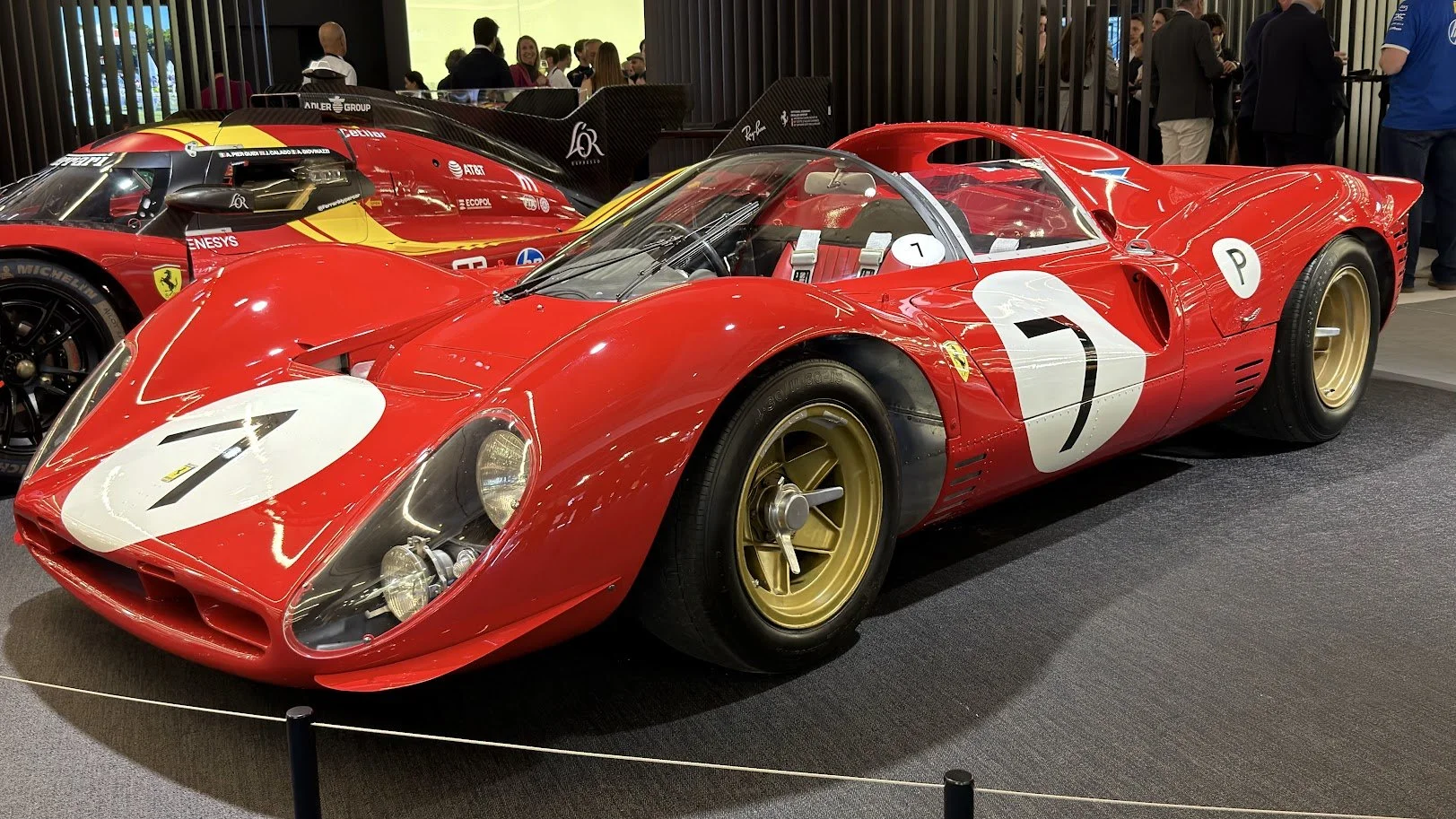
To finish this part of the overview on the note in which it began (not that there is a rule, this is just what we find fitting to do) let’s look at some more prancing horses. One of several brought here by Richard Mille is the Ferrari 330 P4 (chassis 0856). It can be seen with a Barchetta body today but it was not always this way. All 330 P4 cars were built as Berlinettas but were later converted, including this one in 1967. They were built to compete in Prototype class that year and 0856 was entered by Ferrari factory team in most of the races with the exception of Le Mans in which it was run by Écurie Nationale Belge. After 1967 it had changed owners multiple times and had been in the hands of Lawrence Stroll who had sold it along with many other classic Ferrari cars from his collection. Allegedly, 0856 now belongs to a member of the Birkenstock family.
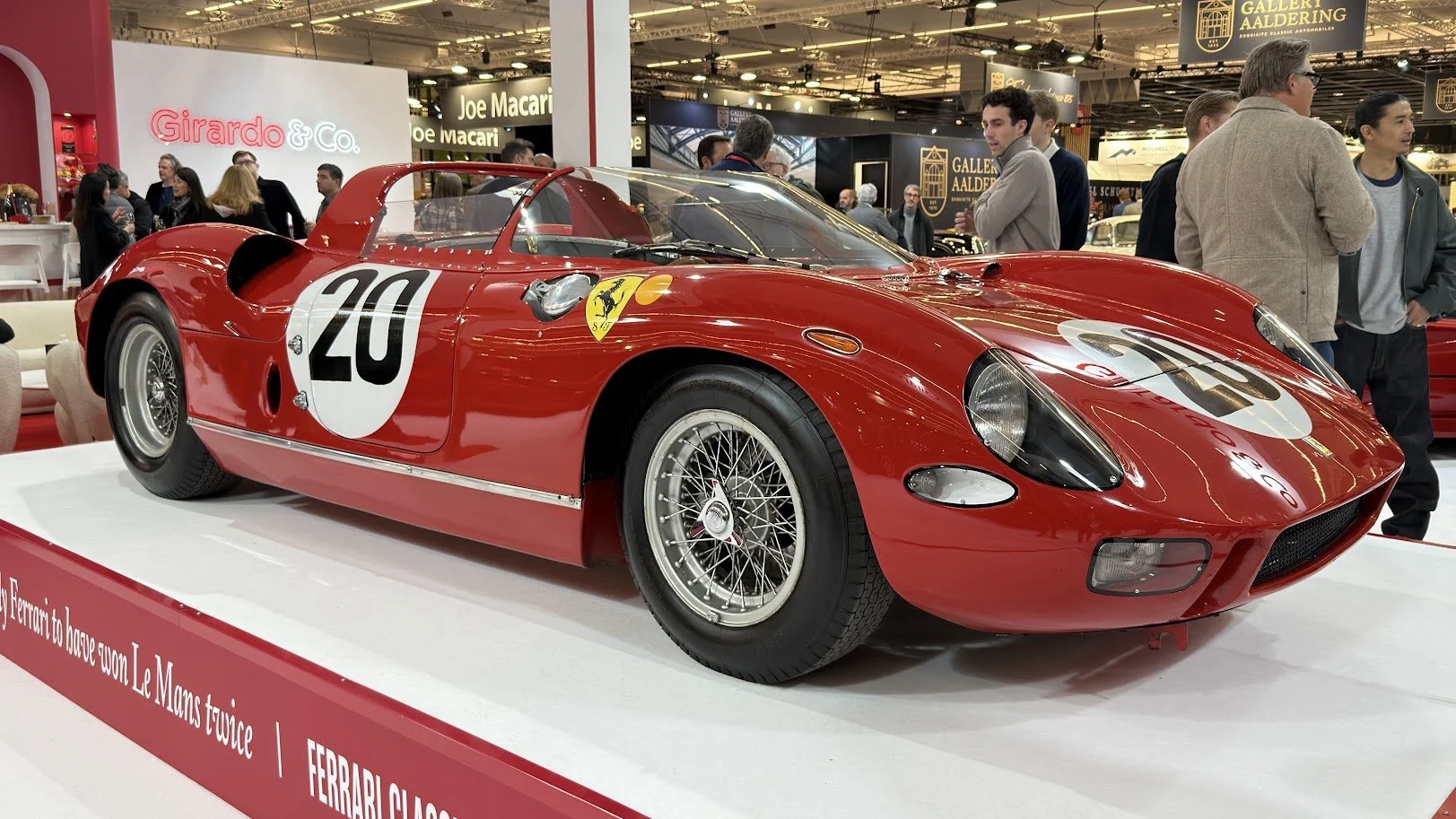
Just around the wall at the stand organized by Girardo & Co. is another legendary Ferrari prototype – the Ferrari 250P (chassis 0816). As a matter of fact, this one might even be twice or thrice as legendary. Not only did it run in the 24 Hours of Le Mans, but it also won. Twice. Once in 1963 and then again in 1964, both times running for factory Ferrari team and being the only Ferrari, and currently one of only 5 cars, to accomplish that feat. 1963 was the first year a mid-engined car had won Le Mans, and that same car was destined to win once again in 1964 after being converted into 275P with a new 3.3-liter V12. What is notable about this car is that Ferrari Classiche only confirmed its second win in 2018, where previously another car was believed to have won the race in 1964.
Most of the highlights in this part of our coverage happened to be race cars from the 20th century but we simply could not ignore their magnitude and not tell you some of the more curious and significant bits from their history. This trend will be partially reversed in the next part that is to come soon and, in the meantime, we welcome you to enjoy photos of other Rétromobile participants.
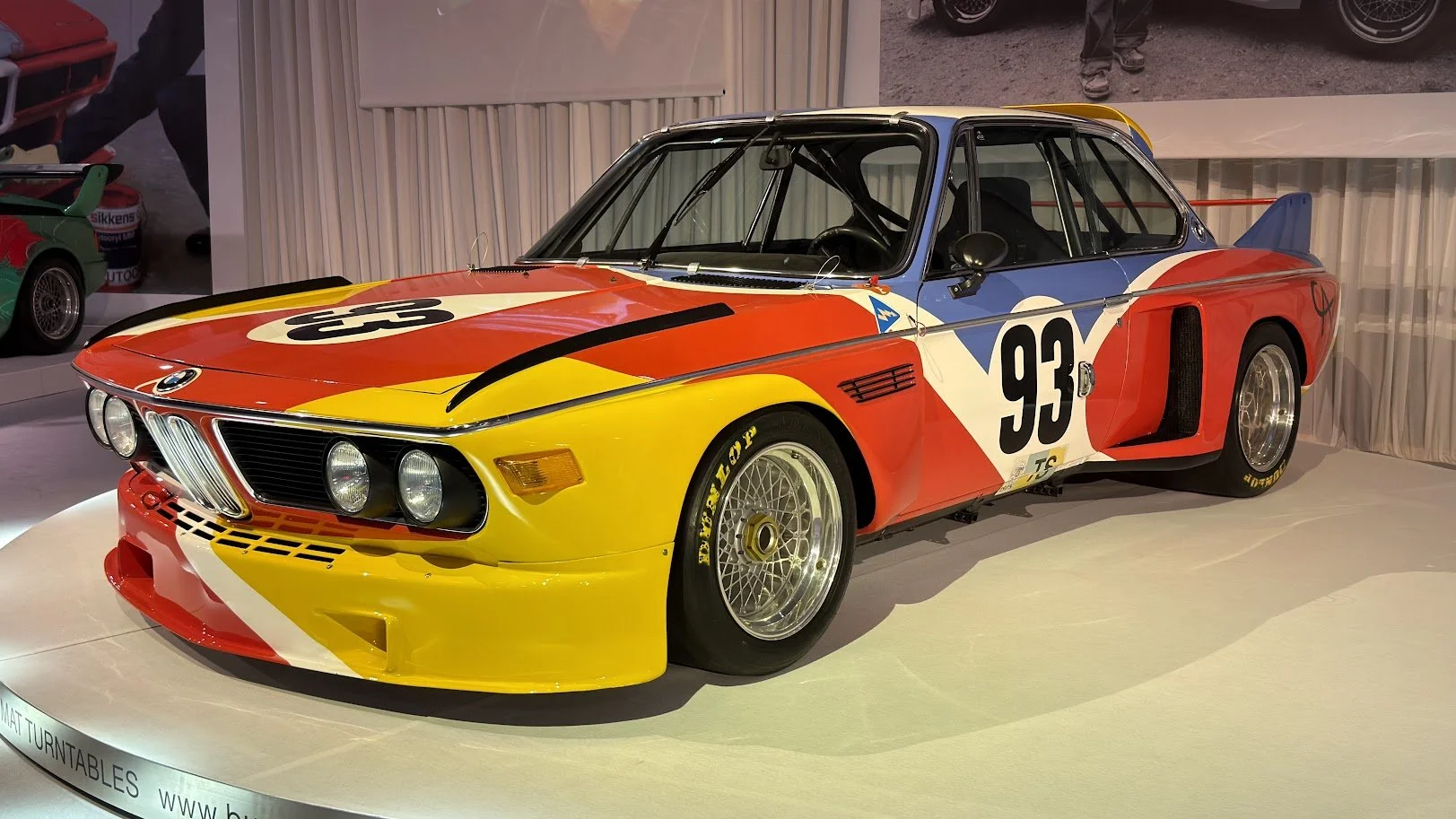
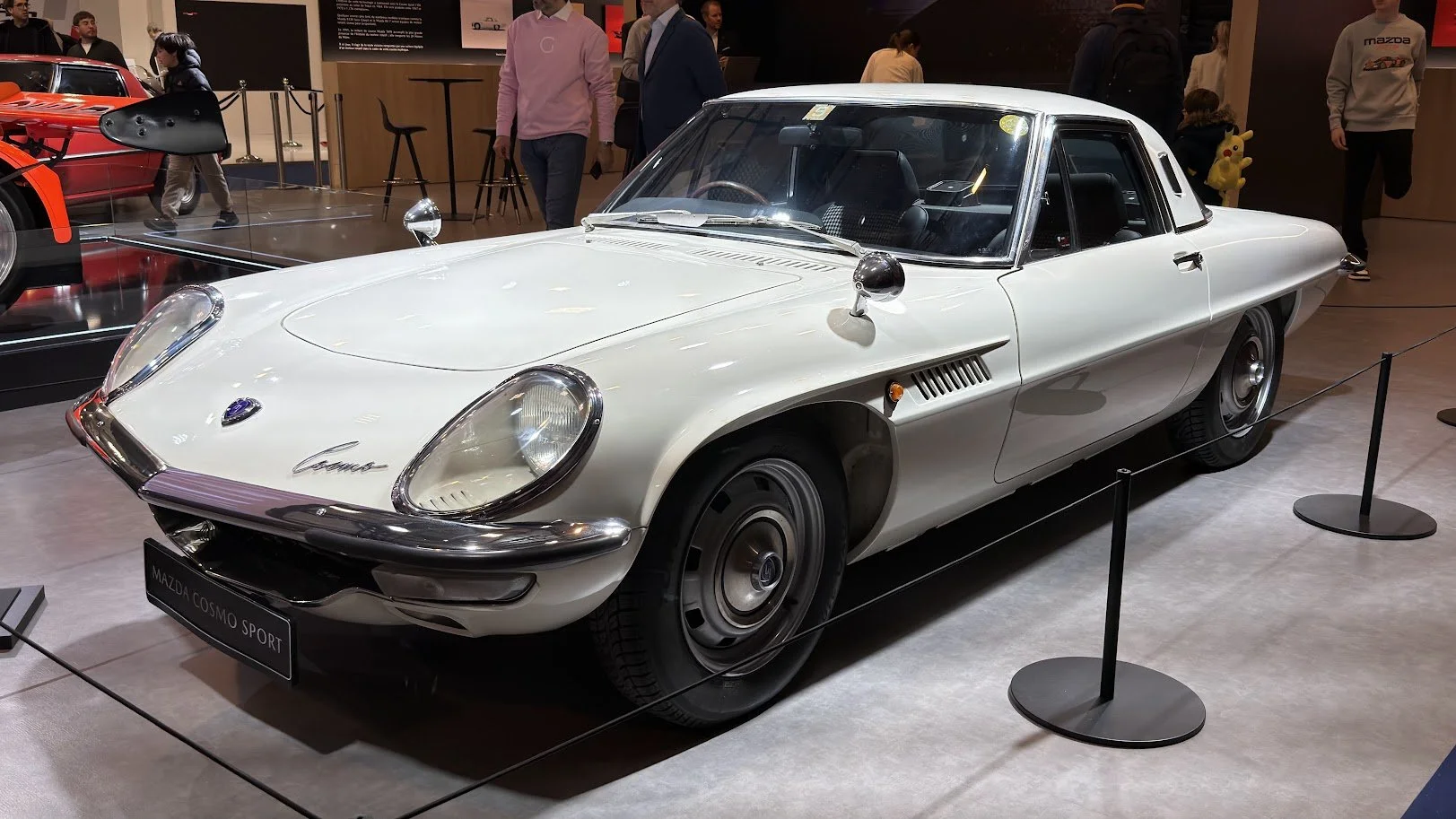
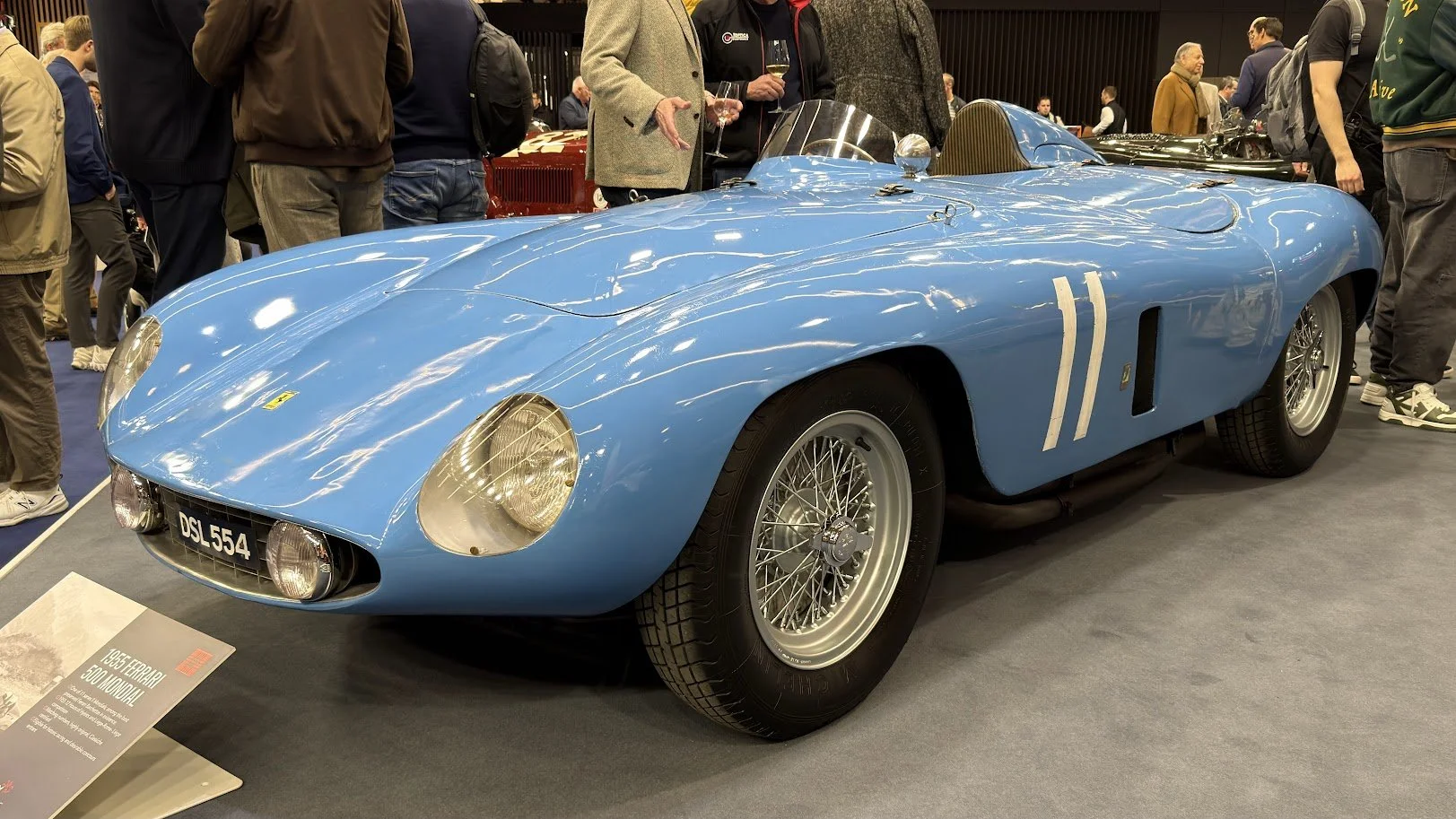
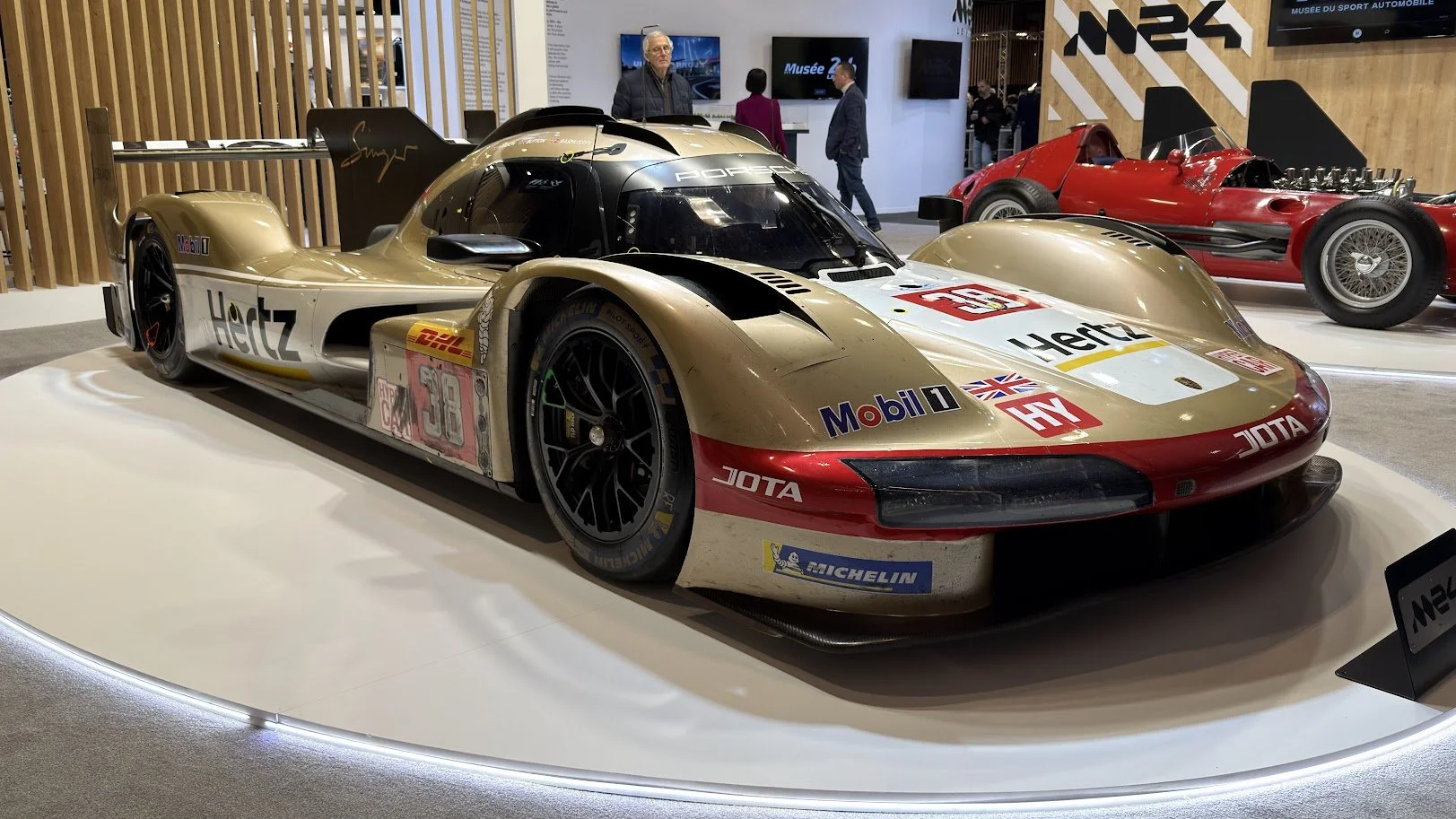
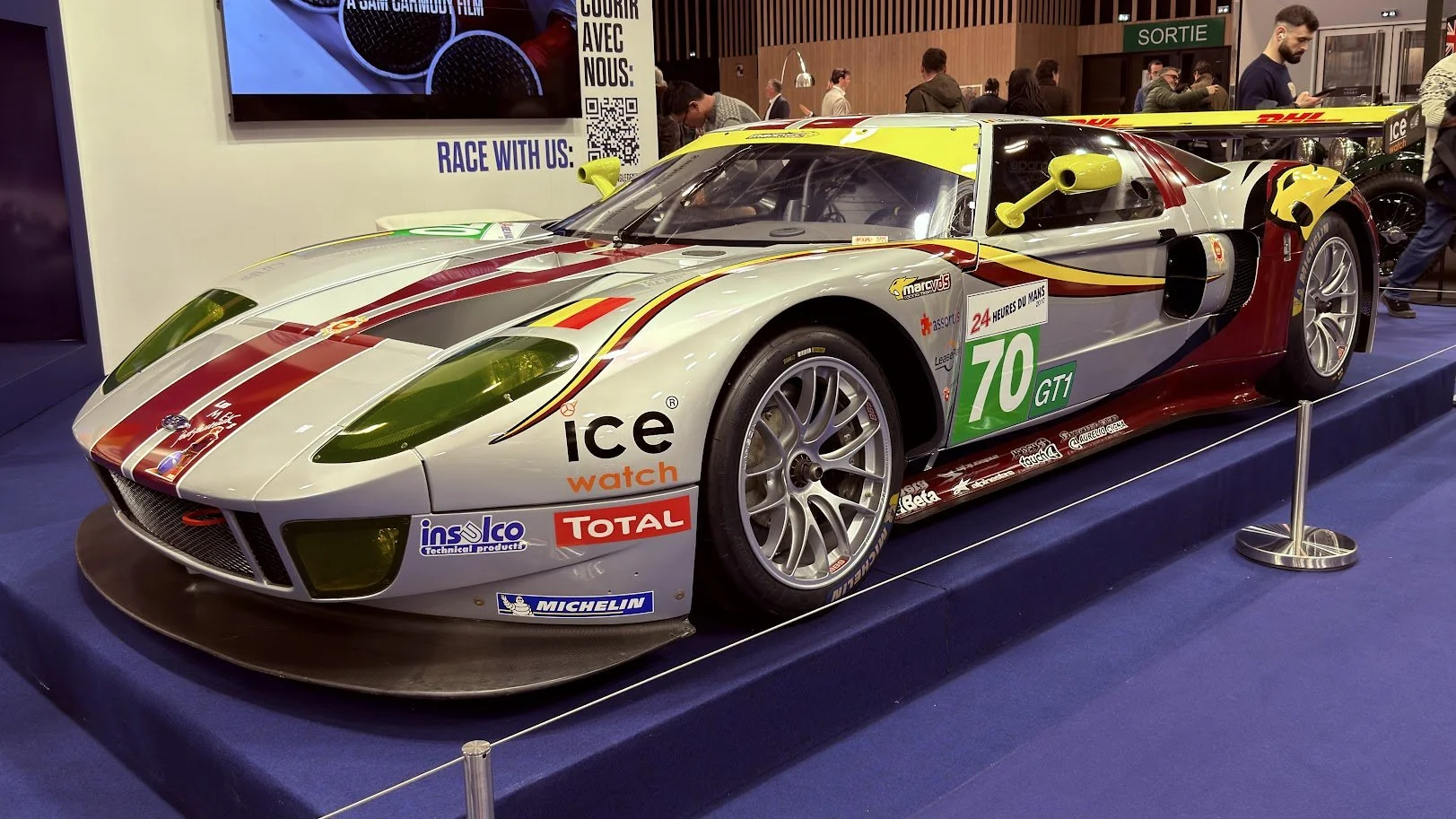
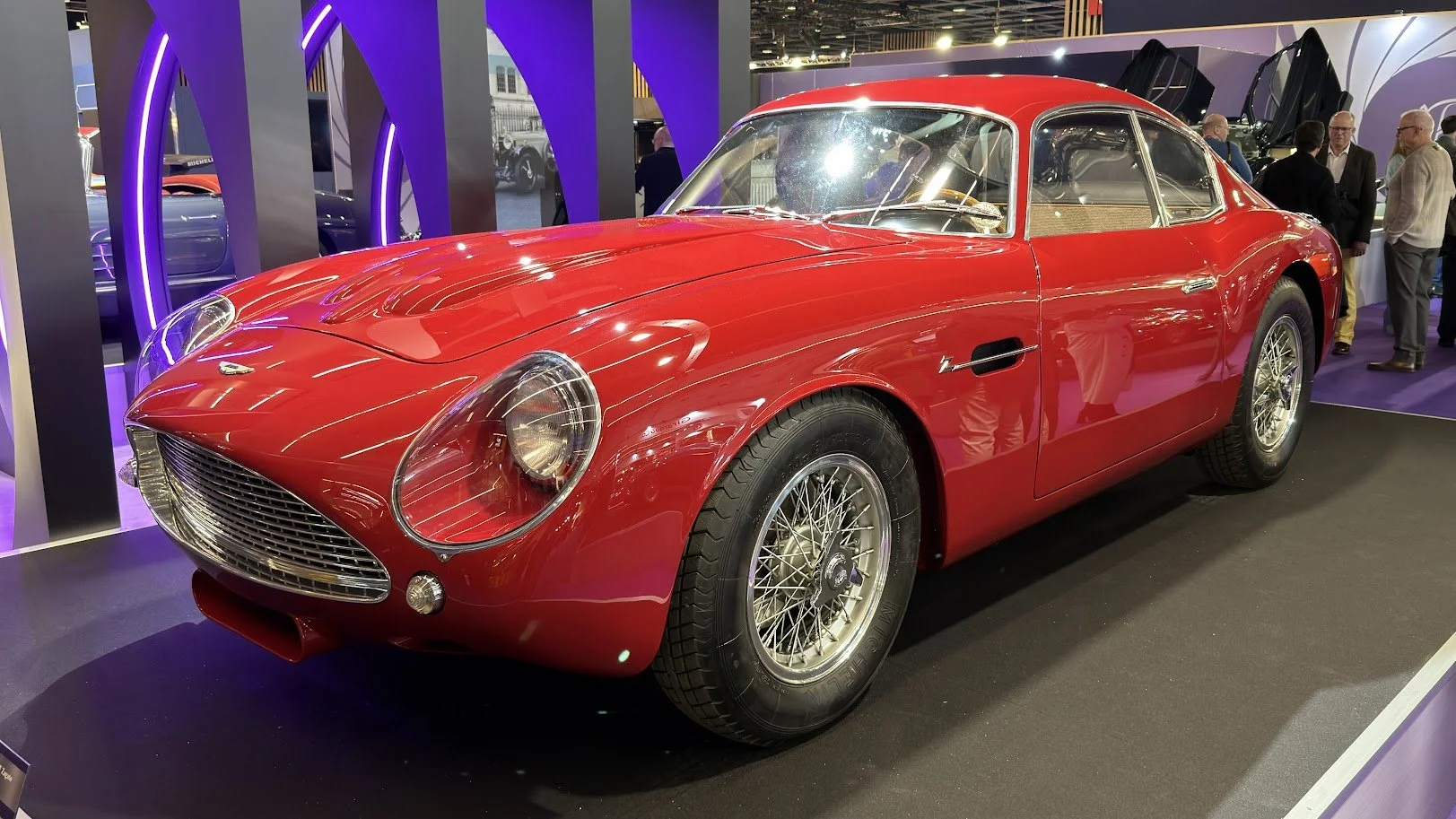
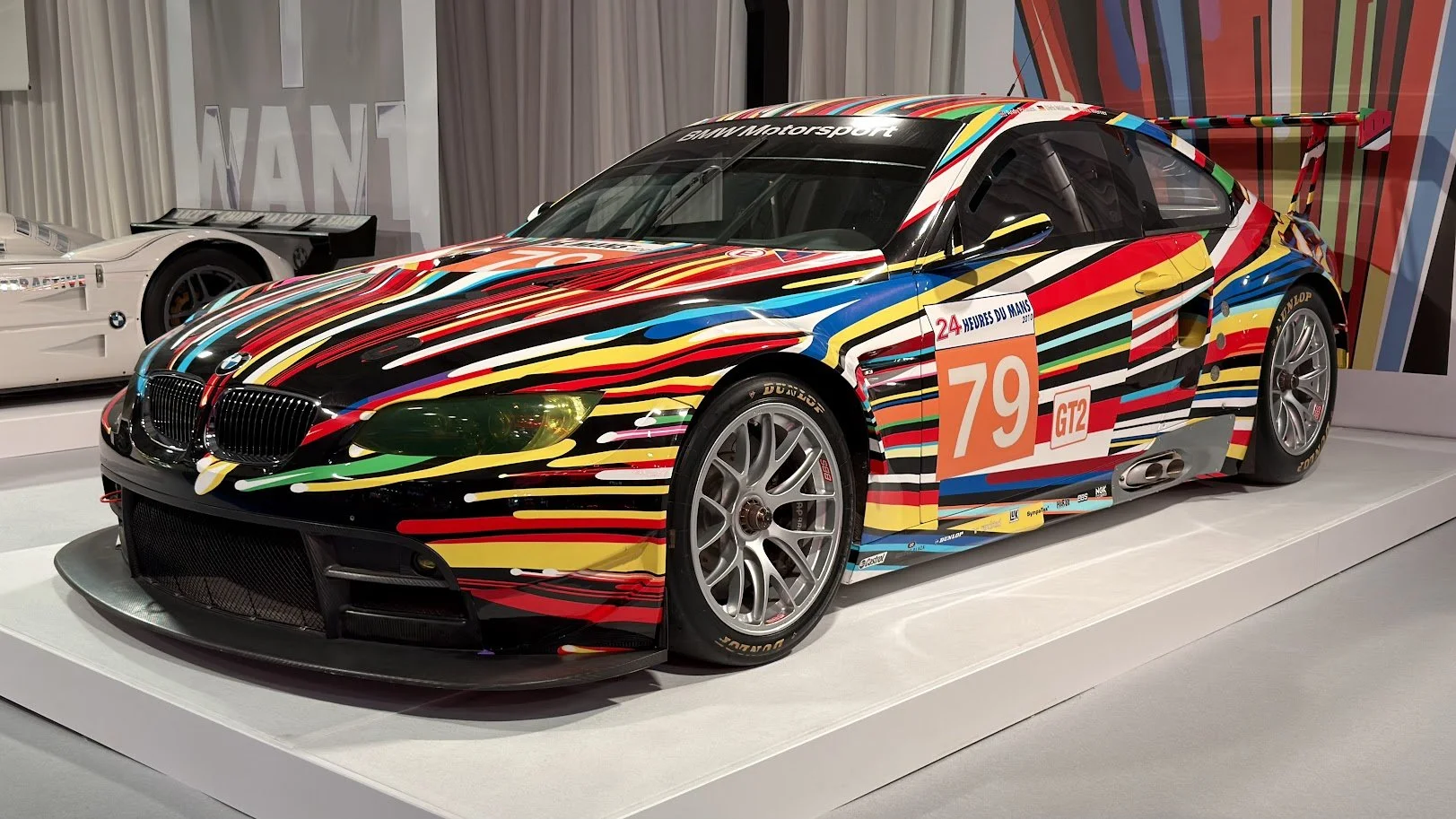
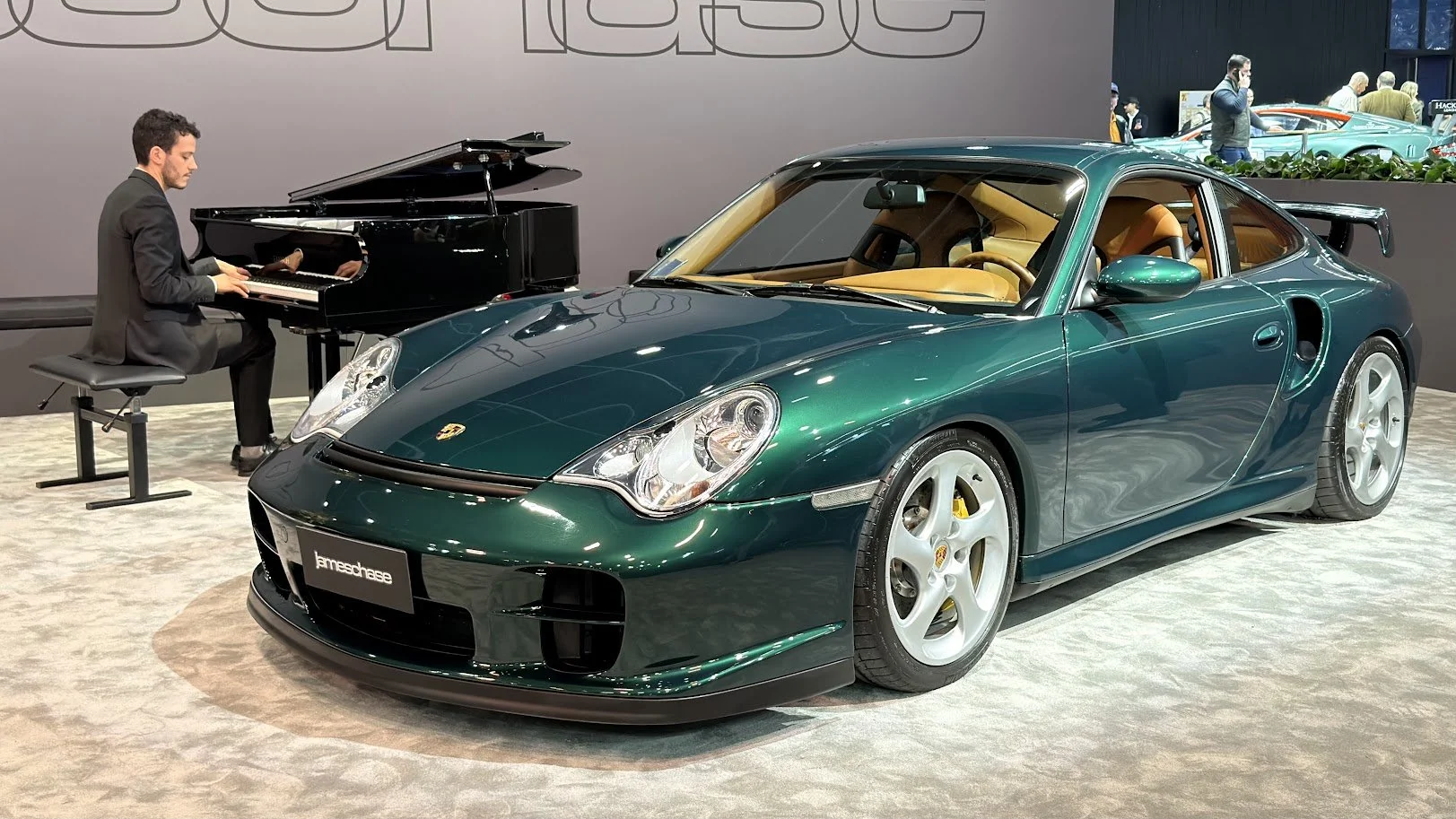
This edition of the event is as special as ever, with all kinds of automobiles you can and cannot imagine on display. Every year there is something for everyone, from pre-war classics to the pinnacle of modern engineering. But the year 2026 certainly marks not only an important milestone in this special event’s history but also something completely new for it and no less impressive. Soon we will tell you all about it, so stay tuned for our next article.